Author:

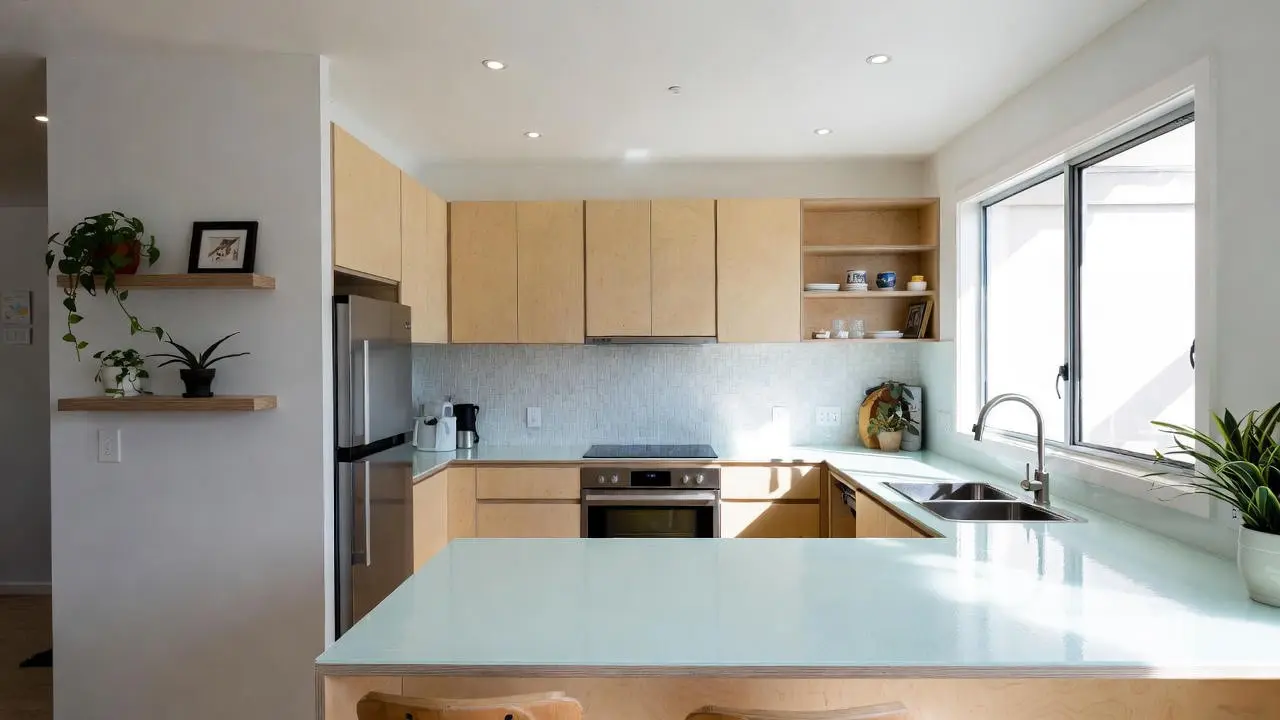
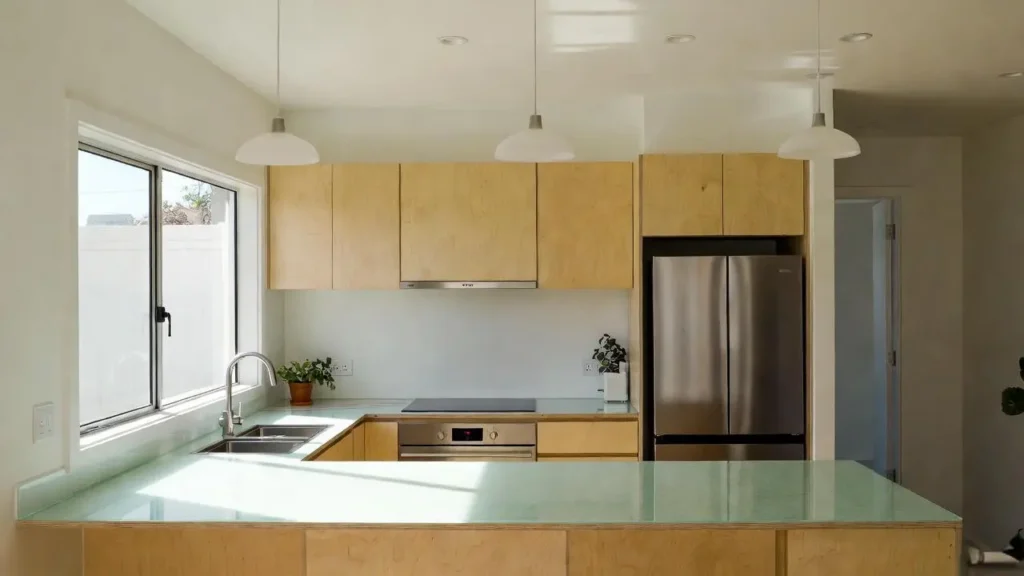
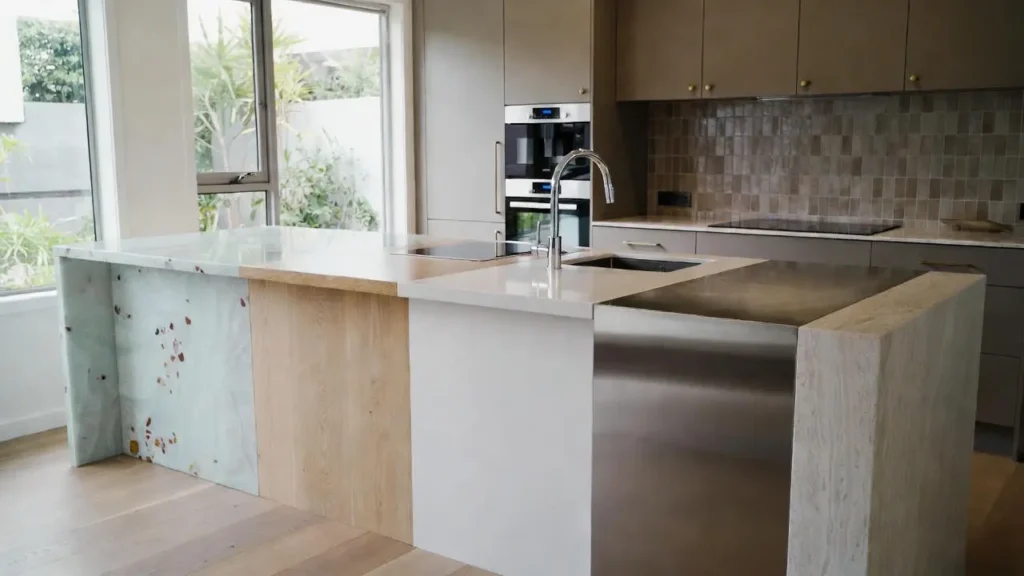
  • Two-Tone Cabinets: Melbourne’s Most Stylish Kitchen Palette

    Two-Tone Cabinets: Melbourne’s Most Stylish Kitchen Palette

    Picture a Melbourne homeowner late at night, scrolling through kitchen ideas. Two-tone cabinets look beautiful online. Then doubt sets in. Will this make my kitchen darker? Will it feel dated in five years? Will it cost more than I planned?

    These questions are not random. They appear again and again in Melbourne searches. People are not just looking for ideas. They want reassurance. They want proof that two-tone cabinets work in real Melbourne homes, not just showrooms or overseas blogs.

    This article explains what actually matters. It cuts through trends and shows how to choose two-tone cabinets with confidence.

    Fast Facts
    • Best balance: Lighter upper cabinets and darker lower cabinets work best in most Melbourne kitchens.
    • Light matters: Limited natural light makes dark upper cabinets feel heavy and closed-in.
    • Cost myth: Two-tone cabinets are not automatically expensive if finishes and layouts are planned early.
    • Maintenance tip: Matte finishes hide fingerprints and daily wear better than glossy surfaces.
    • Resale-safe choice: Neutral two-tone palettes age better and appeal to Melbourne buyers.

    What People Really Mean When They Search “Two-Tone Cabinets Melbourne”

    Most searches hide deeper worries. Homeowners ask about colours, but they really fear regret.

    • Are two-tone cabinets still in style?
    • Should upper cabinets be lighter or darker?
    • Do dark cabinets show fingerprints?
    • Does two-tone cost more than one colour?
    • Will this help or hurt resale value?

    Behind these questions sit three emotions. Fear of making a mistake. Fear of wasting money. Fear of ending up with a kitchen that looks tired too fast.

    Understanding this makes the choice clearer.

    The Light Problem No One Talks About in Melbourne Kitchens

    Light is the biggest reason two-tone kitchens fail in Melbourne. Many homes here struggle with natural light. Victorian terraces often have narrow layouts. Weatherboard homes can feel dim in winter. South-facing kitchens suffer the most.

    Dark colours absorb light. When used in the wrong place, they make kitchens feel smaller and colder. This is why so many homeowners regret dark upper cabinets.

    Lighter colours reflect light back into the room. They create breathing space. That matters more than style in Melbourne’s climate.

    Simple rule: If light is limited, keep the top light.
    Upper vs Lower Cabinets: The Decision That Changes Everything

    This is the most searched and most important choice.

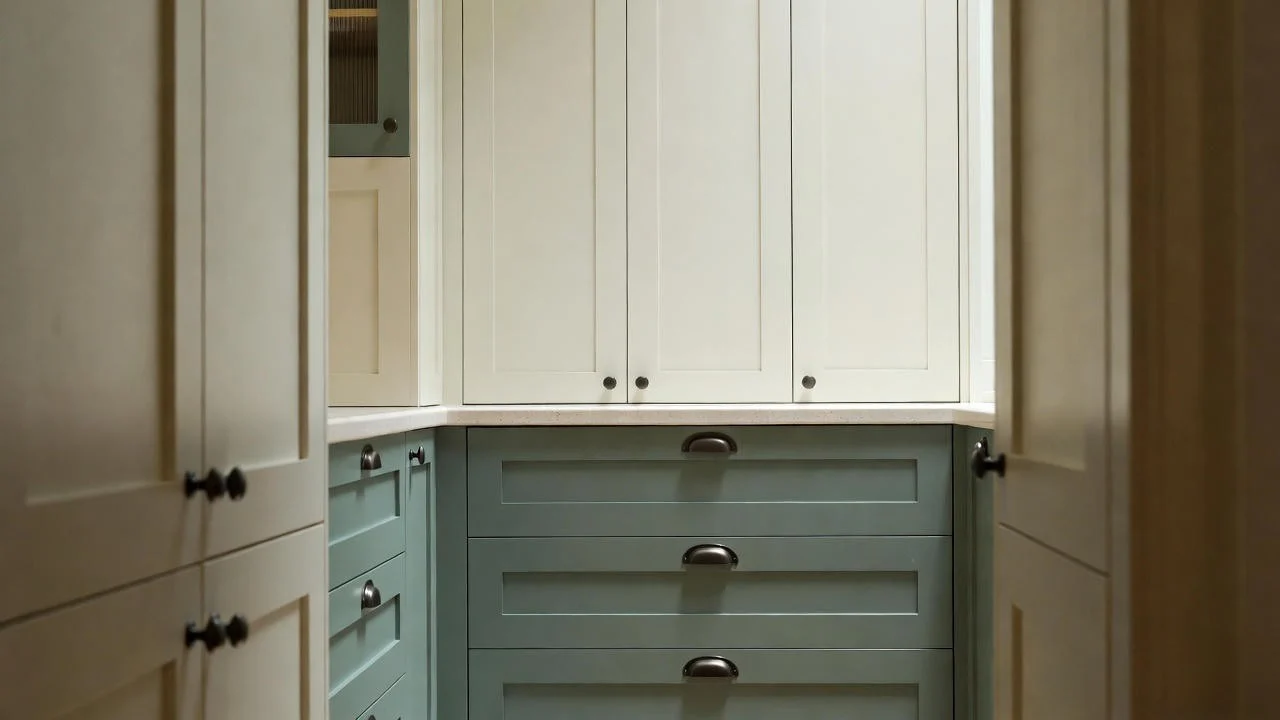
    In most Melbourne kitchens, lighter upper cabinets and darker lower cabinets work best. Here is why.

    Upper cabinets sit at eye level. Dark colours here feel heavy. They visually press down on the room. Lower cabinets ground the space. Darker tones here hide scuffs, dust, and daily wear.

    This balance creates contrast without clutter.

    When can you break this rule? In large, open-plan kitchens with strong natural light. Modern townhouses often suit deeper tones on top. Even then, restraint matters.

    If your kitchen feels small now, dark uppers will not fix it.

    The Cost Myth: Do Two-Tone Cabinets Really Cost More?

    Many homeowners assume two-tone cabinets cost much more. This fear delays decisions and causes stress.

    The truth is calmer.

    Two-tone cabinets are not automatically expensive. The cost difference usually comes from:

    • Extra labour for matching finishes
    • Premium paints or coatings
    • Custom joinery choices

    In Melbourne, two-tone cabinetry may add a modest increase if fully custom. Flat-pack or modular systems reduce this gap significantly.

    The biggest budget blowouts come from repainting or redoing colours after regret. Planning properly from the start saves more money than choosing one colour.

    Two-tone done right often lasts longer. That value offsets small upfront differences.

    Maintenance Regret: What Homeowners Wish They Knew Earlier

    Most regret is not about two-tone itself. It is about finish choice.

    Dark glossy cabinets show fingerprints fast. Light glossy cabinets show smudges. Both frustrate busy households.

    Melbourne homeowners with kids and pets report better results with matte finishes. Warm dark tones hide dust better than pure black. Soft whites age better than bright white.

    Ask yourself one question before choosing colours. What will this look like on a busy Tuesday night? The best colour is the one that hides real life.

    Related Insight

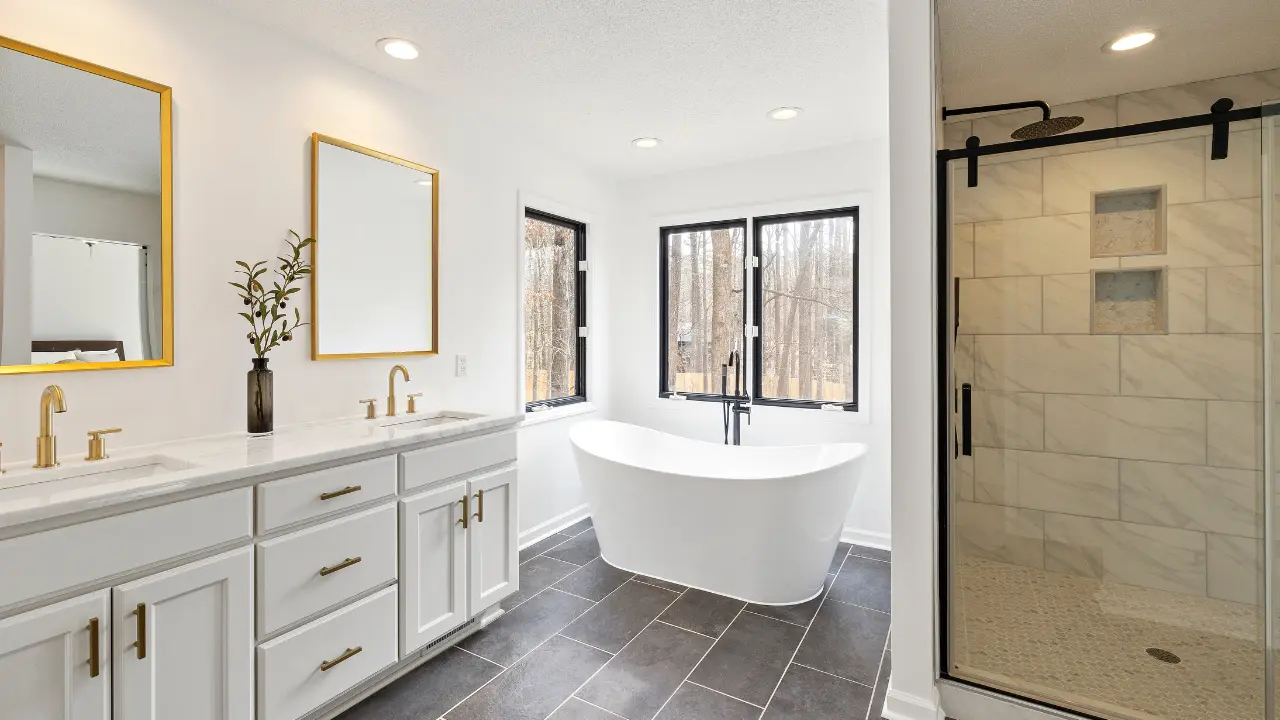
    Renovating more than just the kitchen? This breakdown of ways to reduce bathroom renovation costs without sacrificing style explains how to stay on budget while still achieving a high-end finish.

    Will Two-Tone Cabinets Help or Hurt Resale in Melbourne?

    Resale fear weighs heavily on Melbourne renovators. Many worry two-tone cabinets might scare buyers.

    The evidence points to balance.

    Neutral two-tone kitchens often help resale. White and wood. Soft grey and cream. These combinations feel timeless and flexible.

    Bold, high-contrast designs polarise buyers. Some love them. Others walk away. In Melbourne’s practical market, neutrality wins more often.

    Buyers respond best to kitchens that feel bright, clean, and functional. Two-tone supports this when used with restraint.

    Two-Tone Cabinets That Work in Real Melbourne Homes

    Different homes need different approaches.

    • Victorian terraces: Keep contrast subtle. Light uppers are essential. Soft timber or muted lowers add warmth without closing the space.
    • Weatherboard cottages: Neutral two-tone helps modernise without losing charm. Dark lowers handle wear from family life and pets.
    • 1970s brick veneer homes: Two-tone refreshes dated kitchens without full demolition. Matte finishes reduce glare and feel calmer.
    • Modern townhouses: Stronger contrast works here. Better light allows deeper colours, especially on islands or lower cabinets.

    The key is fitting the design to the house, not forcing a trend.

    The Biggest Two-Tone Mistakes Melbourne Renovators Make

    Most regrets follow the same pattern.

    • Choosing colour before layout
    • Ignoring natural light
    • Copying overseas inspiration
    • Using finishes that show wear
    • Skipping in-home colour testing

    These mistakes create kitchens that look good online but fail in daily use.

    Testing samples in your actual kitchen light prevents most issues. It sounds simple, but many skip it.

    A Smarter Way to Choose Two-Tone Cabinets Without Regret

    Follow this calm process.

    First, assess light. Be honest about shadows and orientation. Second, finalise layout and storage needs. Third, choose finishes that suit daily use. Finally, test colours at home before committing.

    This removes emotion from the decision. It replaces fear with clarity.

    Why Local Experience Makes the Difference

    Melbourne kitchens have quirks. Climate, housing styles, and council rules all shape outcomes.

    That is why working with local experts matters. Skilled Tradies Melbourne specialises in kitchens that must function in lived-in homes, not empty display rooms. Their experience with multi-phase renovations and occupied houses helps homeowners avoid design regret before it happens.

    Also Read

    Planning a kitchen upgrade on a tight budget? This guide on inexpensive kitchen remodel ideas that look high-end shows how smart design choices can transform your space without overspending.

    Two-Tone Is Not About Style. It Is About Balance.

    Two-tone cabinets are not a trend when chosen well. They are a tool.

    They balance light and weight. They manage wear. They help kitchens feel modern without shouting.

    In Melbourne homes, success comes from restraint, planning, and honesty about how you live. When you choose with clarity, two-tone cabinets become one of the safest and smartest kitchen upgrades you can make.
  • How to Use Moody Colours in Your Melbourne Kitchen Without Making Costly Mistakes

    How to Use Moody Colours in Your Melbourne Kitchen Without Making Costly Mistakes

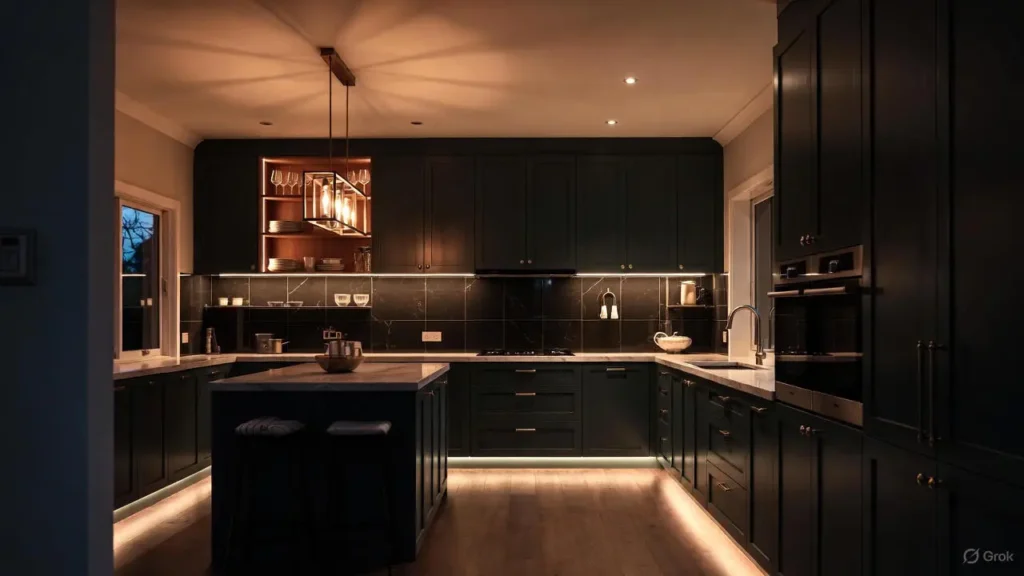
    Moody kitchen colours are everywhere right now. Deep navy, forest green, charcoal, and even black kitchens promise drama and luxury. Many Melbourne homeowners love the look. But once the renovation begins, reality often hits harder than expected. Our light, climate, and housing styles change how these colours behave.

    This article breaks down what actually happens when you choose moody colours in a Melbourne kitchen. It draws on real renovation cases, homeowner feedback, paint brand guidance, and local trade experience. The goal is simple. Help you decide with confidence and avoid regrets.

    Fast Facts

    • Light Matters: Dark kitchens need layered lighting to avoid feeling gloomy, especially in Melbourne winters.
    • Warm Tones Work Best: Forest greens, warm navies, and earthy charcoals age better than cool blacks or greys.
    • Layout Impacts Risk: Compact terraces and apartments feel darker faster than open-plan homes.
    • Resale Balance: Two-tone designs reduce resale risk while keeping the moody look.
    • Budget Reality: Expect higher lighting and finish costs when choosing dark cabinetry.

    Why Moody Kitchens Look Amazing Online but Disappoint in Real Homes

    Moody kitchens photograph beautifully. Styled lighting, wide angles, and perfect finishes hide many flaws. Real homes tell a different story.

    Melbourne kitchens often sit in narrow terraces, apartments, or older houses with limited natural light. Once daily life begins, dark colours can feel heavier than expected. Homeowners on Houzz Australia and r/AusRenovation often say the same thing. The kitchen looked stunning at first, but felt darker and smaller over time.

    This does not mean moody kitchens fail everywhere. It means they demand better planning than light kitchens. When people rush the decision, problems appear fast.

    Do Dark Colours Make Kitchens Feel Smaller in Melbourne Homes

    Yes, they can. Dark colours absorb light. In Melbourne, that matters more than many expect.

    In Victorian terraces and Edwardian homes, kitchens often sit at the back with small windows. Houzz Australia case studies show dark cabinetry in narrow galley kitchens can feel cosy but cramped without contrast. Designers usually fix this with light benchtops, pale splashbacks, or lighter walls.

    In contrast, open plan townhouses and apartments handle moody tones better. One Brunswick apartment renovation used dark cabinetry successfully by adding reflective surfaces, open shelving, and strong lighting. Space and light made the difference.

    Homeowners on r/AusRenovation often warn that dark kitchens in compact layouts need near perfect lighting. Without it, the room can feel closed in.

    The trade off is clear. Moody colours add drama in the right layout. In small inner city kitchens, the risk of regret rises.

    How Melbourne Light and Climate Change Everything

    Melbourne light is unpredictable. Overcast winters and fast weather changes affect colour more than people expect.

    Orientation plays a huge role in Australia. North facing kitchens receive warmer, consistent sunlight and suit moody colours best. South facing or shaded kitchens get cooler, weaker light. In these spaces, dark tones can feel cold and unwelcoming.

    Many homeowners report the same pattern. Their charcoal or navy kitchen looks rich in summer, then dull or gloomy in winter. One Houzz user described their south facing dark kitchen as uninviting on grey days.

    Paint brands like Dulux and Haymes recommend testing samples at different times of day and across seasons. Warm undertones perform better than cool blacks or blue greys. Deep olive and warm charcoal usually age better in Melbourne conditions.

    The fear is valid. Seasonal light can turn luxury into gloom if you ignore orientation.

    Which Moody Colours Actually Work Long Term

    Not all dark colours behave the same way in real kitchens.

    Homeowners, painters, and cabinet installers consistently report better results with warm moody tones. Deep greens, warm navies, and charcoals with brown undertones feel organic and forgiving. They also age better.

    Pure black and cool greys often cause trouble. They show dust, fingerprints, and wear faster. They also feel harsh under poor lighting.

    Finish matters as much as colour. Matte and low sheen finishes hide marks better than high gloss. Dulux 2025 palettes highlight plums and yellow green tones as moody options that feel warmer and less severe.

    Safer choices include forest green, navy with warmth, and earthy browns. These colours suit daily life, not just photos.

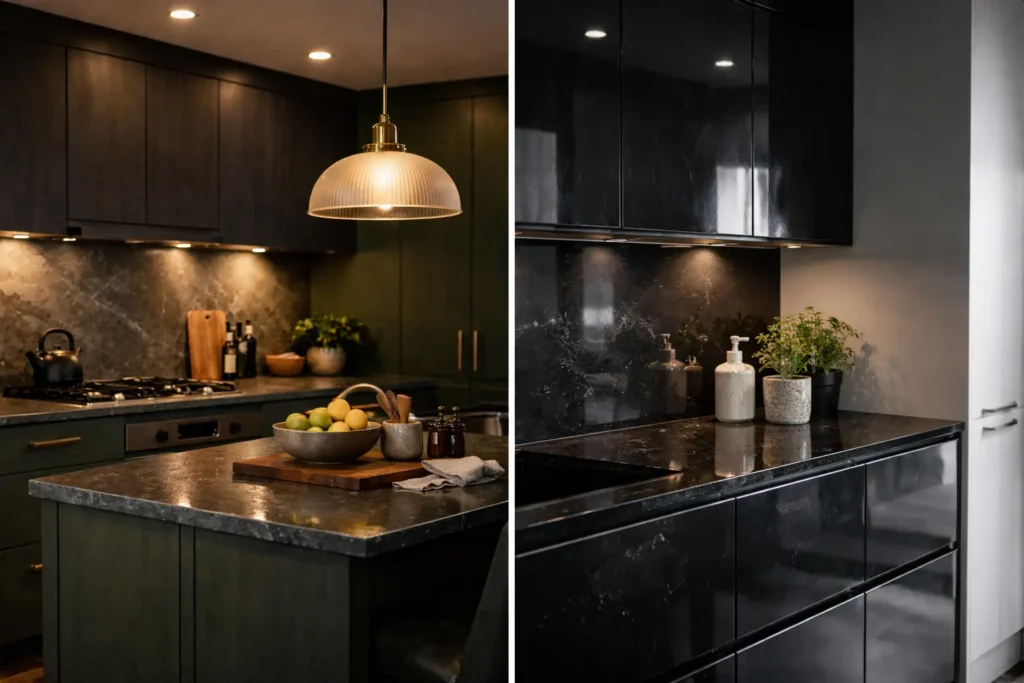
    Melbourne kitchen interior comparison scene showing warm moody colours that age well.

    Will a Moody Kitchen Hurt Resale Value in Melbourne

    This question worries many renovators. The answer depends on balance and execution.

    Some Melbourne real estate agents warn that fully dark kitchens can limit buyer appeal, especially for family homes. Several agents describe them as polarising. Buyers either love them or walk away.

    At the same time, high quality moody kitchens appear in premium listings and perform well. Winning kitchens on The Block show that drama sells when execution feels high end.

    Property trends still favour neutral kitchens for broad appeal. Dark kitchens narrow the audience. They do not always reduce value, but they can slow resale.

    Lower risk options include two tone designs with dark lower cabinets and light uppers. Quality materials and lighting also protect resale far more than colour alone.

    Warmth Versus Gloom and Why Balance Matters

    Some moody kitchens feel warm and inviting. Others feel heavy and cold. The difference comes down to balance.

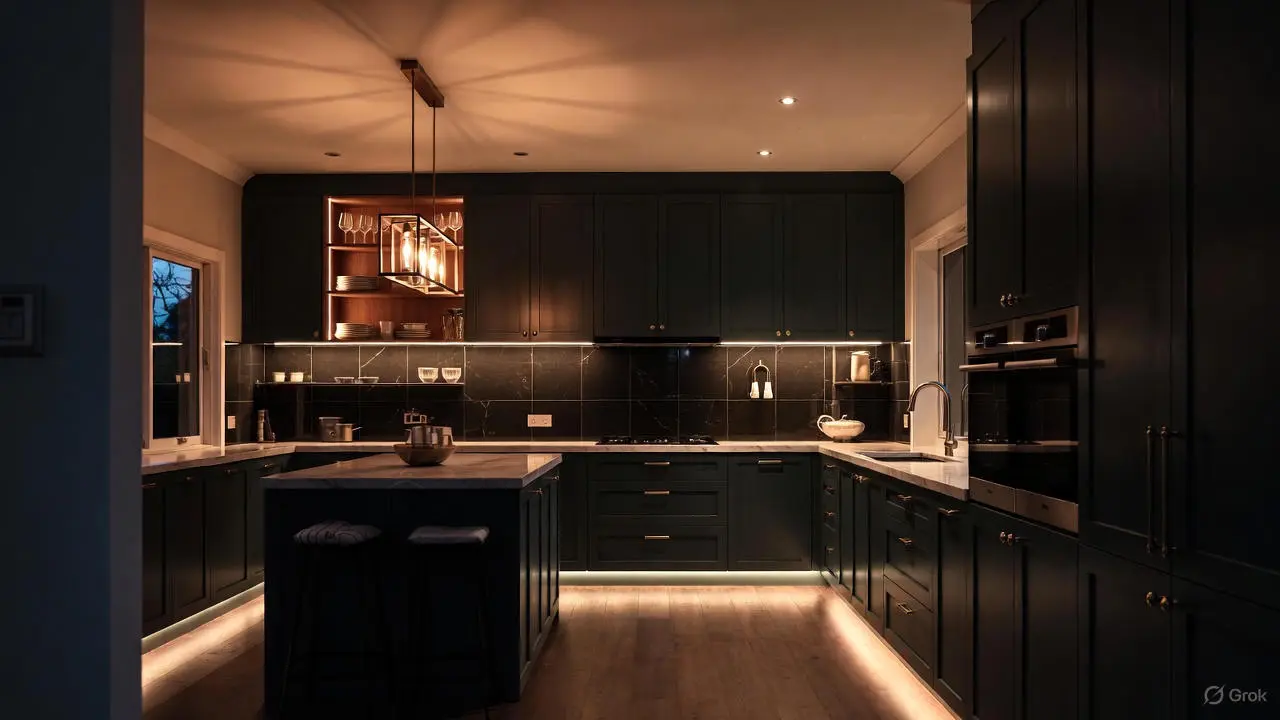
    Successful designs include timber accents, stone benchtops, and warm metals like brass. Warm LED lighting around 2700K also softens dark tones.

    Failures often share the same mistakes. All dark surfaces, cool white lighting, and no texture contrast create a cold feel. Builders across Melbourne report that adding oak timber and brushed brass instantly changes how dark kitchens feel in winter.

    Homeowners who add warmth tend to love their kitchens long term. Those who skip it often say the space feels too heavy.

    The Hidden Lighting Factor Most People Miss

    Lighting makes or breaks a moody kitchen. Dark surfaces absorb light, so you need more of it.

    Layered lighting is essential. This includes ambient ceiling lights, under cabinet task lighting, and feature pendants. Dimmers help adjust mood across the day.

    Common mistakes include relying on one overhead light or using cool bulbs above 4000K. Both create harsh shadows and an unwelcoming feel.

    Older Melbourne homes often need wiring upgrades to support modern lighting layouts. Electricians estimate these upgrades add around two to five thousand dollars.

    If you choose moody colours, plan to spend more on lighting. It is not optional.

    Do Moody Kitchens Cost More Overall

    The colour itself does not raise costs. The extras do.

    Cabinet materials cost about the same for dark or light finishes. Costs rise when you add premium matte coatings, fingerprint resistant laminates, or extra lighting. Many builders report moody kitchens end up ten to twenty percent higher in total cost.

    You can save by using dark colours on lower cabinets only. Matte laminates also cost less than high gloss two pack finishes.

    Labour costs stay similar. Electrical work often drives the increase.

    Renovating While Living in the Home

    Many Melbourne families renovate while staying put. Moody kitchens do not prevent this.

    A full kitchen renovation usually takes three to six weeks. Builders stage work to limit disruption. Dust shows more clearly on dark finishes during construction, but matte surfaces help.

    Homeowners recommend setting up a temporary kitchen and planning cleaning during the build. After completion, dark kitchens hide spills well in daily use.

    With experienced builders, living through the renovation is manageable.

    Final Verdict for Melbourne Homeowners

    Moody kitchens can feel stunning and timeless when done right. They suit north facing spaces, strong lighting, warm materials, and quality finishes. In compact or poorly lit Melbourne homes, they carry real risks.

    The biggest regrets come from ignoring orientation and lighting. The biggest successes come from balance, warmth, and planning.

    If you are considering a moody kitchen renovation in Melbourne, talk to local tradies who understand our climate and housing styles. The right advice can help you achieve drama without regret.

    Related Insight

    Planning a kitchen upgrade on a tight budget? Learn how smart material choices and layout tweaks can deliver premium results in inexpensive kitchen remodel ideas that look high end .

  • DIY vs Hiring a Pro for Your Kitchen Reno in Victoria: Which One Actually Saves You More?

    DIY vs Hiring a Pro for Your Kitchen Reno in Victoria: Which One Actually Saves You More?

    Many Victorians start a kitchen renovation hoping to save money, but the real cost often depends on one choice: DIY or hiring a professional. The right decision can protect your budget, reduce stress, and improve the value of your home. The wrong one can lead to blowouts, delays, and costly fixes. This guide uses Melbourne homeowner stories, 2025 data, and real cases to help you make a confident choice.

    Fast Facts

    • DIY kitchens often exceed budgets by 20 to 50 percent due to mistakes and delays.
    • In Victoria, electrical, plumbing, and waterproofing work must be done by licensed pros.
    • Professional kitchen renovations typically finish in 4 to 8 weeks.
    • Poor DIY work can impact resale value and lead to insurance issues.
    • Hiring experts reduces stress and improves long-term quality.

    The Weekend Renovator’s Dream: Why DIY Seems Cheaper Until It Isn’t

    Many people begin with a simple goal. Replace a few cabinets. Install a flat-pack. Add a stone benchtop. It looks easy online. A Melbourne couple from Essendon started this way and planned a budget of twelve thousand dollars. They wanted a modern look and felt confident with YouTube tutorials and Bunnings advice.

    The first weeks felt good. They built cabinets and installed a new splashback. But small mistakes started to appear. A few tiles sat uneven. A cabinet edge dipped by two millimetres, which caused a gap under the new stone benchtop. That gap later cracked the benchtop and forced a full replacement. The job grew to twenty thousand dollars before it was finished.

    This story is common. DIY can save money upfront. Mid-range DIY kitchens often cost fifteen thousand to thirty thousand dollars. Yet most people add five thousand to fifteen thousand dollars on tools, fixes, and rework. Melbourne surveys show that seventy percent of DIY kitchen projects go over budget by twenty to fifty percent because of delays, wrong materials, or miscalculations. The real surprise is time. A DIY kitchen often takes eight to twelve weeks of weekends. A professional team can finish in four to six weeks.

    The dream of saving money is strong, but the true cost is rarely simple.

    The Hidden Rules of Renovating in Victoria That Many DIY Plans Hit Too Late

    Victoria has strict laws for kitchen renovations, and many homeowners do not realise this until problems appear. Some tasks must be done by a licensed professional. These include all electrical wiring, all plumbing work, gas connections, and wet-area waterproofing. Structural work also needs an engineer and a permit.

    If you move a sink, add new lighting, or install a new oven, you need licensed trades. Permits for structural, plumbing, or electrical changes often cost five hundred to two thousand dollars. These rules protect safety, insurance, and resale value.

    The penalties are serious. Homeowners have been fined ten thousand to eighty thousand dollars for illegal work. One Melbourne case saw a one hundred and sixty thousand dollar fine for unsafe electrical changes during a renovation. Insurance companies also refuse claims when unlicensed work causes damage. Some homeowners later lose five to fifteen percent of resale value because inspectors flag non compliant DIY work.

    These rules are not always clear online, which is why many people fall into trouble. A common trap is trying to waterproof or run pipes without knowing it requires certification. Once water damage or mould forms, the cost can exceed ten thousand dollars to repair.

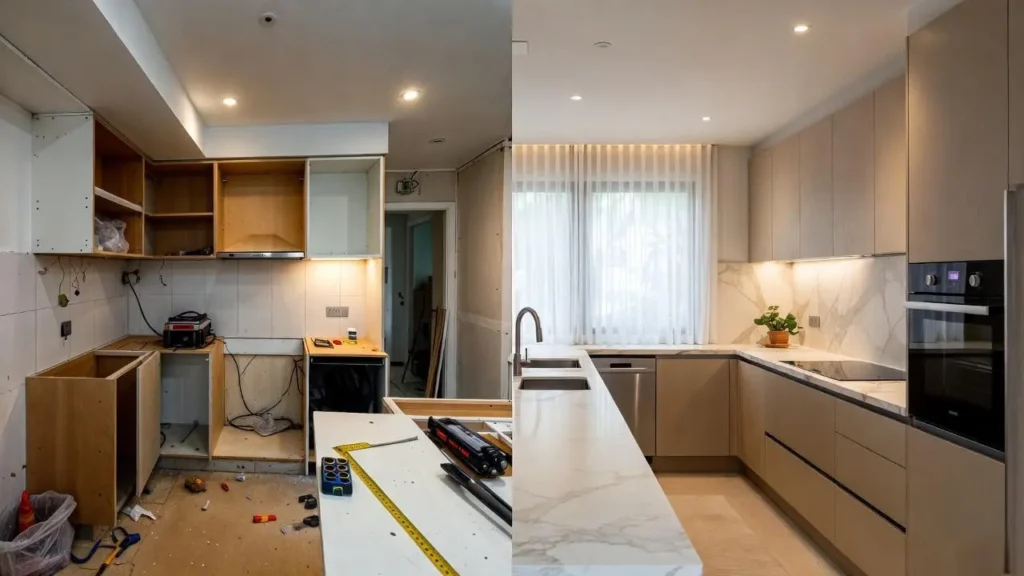
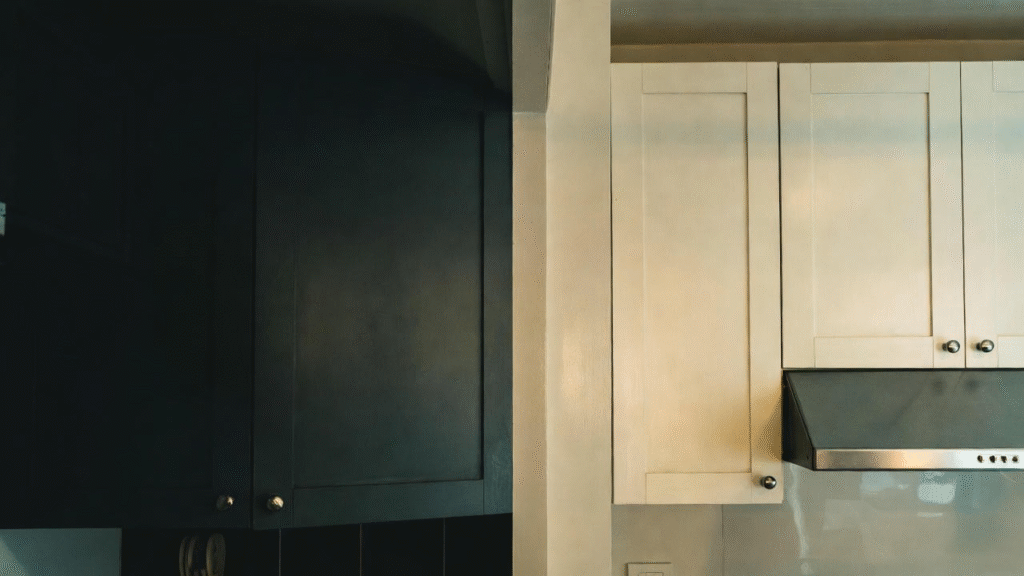
    photo of a modern Melbourne kitchen renovation scene, split visually into two contrasting halves

    Also Read

    Get simple ideas that lift your kitchen design without blowing your budget in our guide inexpensive kitchen remodel ideas that look high end .

    When DIY Goes Wrong: Real Melbourne Mistakes That Cost More Than Hiring a Pro

    Most DIY mistakes share the same pattern. The homeowner feels confident, the job begins well, and problems show slowly. In Footscray, a small waterproofing error under a sink caused mould behind the cabinets and damaged a new oven. The cost to fix the issue reached twelve thousand dollars. A Preston homeowner installed flat-pack cabinets for eight thousand dollars. They looked straight at first, but slight misalignment forced a full reinstall that cost another twelve thousand dollars.

    The most common DIY mistakes are incorrect measurements, poor waterproofing, uneven tiling, ignoring the kitchen work triangle, placing power points in the wrong spots, and choosing cheap materials that fail early. Many people overlook ventilation, load-bearing limits, and the need for perfect leveling. Only forty percent understand how precise kitchen installation must be.

    Suncorp reports that insurance claims for DIY kitchen failures rose by twenty five percent in 2025. Fixing a single mistake like tiling can cost between two thousand and five thousand dollars. Fixing plumbing or electrical issues is far more expensive and unsafe to attempt alone.

    Small errors become big costs.

    Why Hiring a Professional Often Saves More Than Money

    Hiring a professional might feel expensive, but the benefits are wide. A skilled renovation team handles planning, demolition, trades, permits, and inspections. They work with licensed plumbers and electricians. They manage timelines and order materials in the right sequence. They use laser leveling tools, accurate measurement systems, and tested waterproofing methods.

    Professional mid-range kitchens in Melbourne usually cost thirty five thousand to fifty five thousand dollars. This includes warranties, insurance coverage, correct compliance, and fewer unexpected shocks. A professional kitchen often lasts longer and boosts resale value by five to ten percent.

    Families also value the reduced stress. Renovating while living in the home is hard. Sixty percent of households report daily stress during DIY renovations. Many rely on takeout meals for weeks, adding five hundred to one thousand dollars to the total. Professionals shorten this timeline and handle the mess so families can function.

    In the long term, a professional renovation often delivers a better return. DIY offers a thirty to fifty percent return on investment. Professionals often deliver fifty to seventy percent because quality and compliance are higher.

    Cost Comparison: The Real Breakdown for Melbourne Homeowners

    The real question is not only cost. It is cost plus risk. Here is a simple comparison based on Melbourne data.

    DIY kitchen

    • Fifteen thousand to thirty thousand dollars
    • Eight to sixteen weeks
    • High risk of mistakes
    • Lower resale value
    • No warranty
    • Illegal for plumbing and electrical
    • Extra ten thousand dollars likely for fixes

    Professional kitchen

    • Thirty five thousand to fifty five thousand dollars
    • Four to eight weeks
    • Licensed trades included
    • Warranties and insurance
    • Higher resale value
    • Correct compliance and paperwork
    • Fewer delays

    DIY only wins when the job is very small, like cosmetic updates or painting. Anything involving plumbing, electrical, layout changes, or major replacements is safer with a professional.

    Related Insight

    Stay ahead of the curve and explore the design ideas reshaping compact kitchens in 2025 in our article on small kitchen renovation trends in Melbourne .

    How to Choose the Right Path for Your Home

    To decide the best option for your home, ask a few simple questions.

    • Do you understand what parts of the renovation need a permit?
    • Can you complete precise measurements for cabinets, benchtops, and tiling?
    • Do you have the time for weeks of weekend work?
    • Will mistakes hurt your budget or resale goal?
    • Are you ready for stress if delays arise?

    If the answer to any of these is no, a professional may be the safer and more cost-effective choice. Skilled Tradies Melbourne helps homeowners navigate every step. They guide the design, handle permits, coordinate trades, and finish kitchens on time with a high-quality result.

    A kitchen renovation is one of the biggest upgrades you can make. With the right decision, it becomes a simple and rewarding chapter in your home story.
    Frequently Asked Questions

    1. Is it legal to do my own kitchen renovation work in Victoria?

    Yes, but only for cosmetic tasks. Victoria requires licensed professionals for plumbing, electrical work, waterproofing, and structural changes. DIY in these areas can lead to fines, insurance problems, and resale issues.

    2. What is the biggest advantage of hiring a professional for a kitchen renovation?

    A professional handles permits, licensed trades, timelines, and quality control. This reduces stress, prevents costly mistakes, and increases long term value and compliance. Most homeowners also benefit from faster turnaround times.

    3. Does a DIY kitchen renovation add value to a home?

    A DIY kitchen can add value, but only when the work is high quality and compliant with Victorian regulations. Poor workmanship, incorrect layouts, and non licensed work can reduce resale value or lead to expensive rectifications during inspections.

  • Bathroom Renovation Cost Australia vs Melbourne: What’s Really Driving the Price Difference?

    Bathroom Renovation Cost Australia vs Melbourne: What’s Really Driving the Price Difference?

    When Sarah from Brunswick received a $42,000 quote to renovate her small bathroom, she thought it had to be a mistake. Online guides told her that most Australian bathrooms cost around $15,000 to $30,000. Her space was only six square metres. Why would her renovation cost more than double the national average?

    Her experience is not unusual. Many Melbourne homeowners feel shocked when they see real quotes. They compare them to national cost guides and wonder why the numbers do not match. This article explains the real cost difference between Australia and Melbourne and shows what drives prices higher in the city. It also helps you understand hidden costs, trade shortages, and realistic budget levels so you can plan with confidence.

    Fast Facts

    • Melbourne bathrooms cost 20 to 50 percent more than the Australian average due to labour and material demand.
    • Hidden costs add 20 to 30 percent to most projects, especially in older suburbs with asbestos and structural issues.
    • Trade shortages increase delays by two to four weeks and raise overall project costs.
    • Mid range Melbourne renovations average $25,000 to $50,000, depending on size and complexity.
    • Licensed waterproofing and plumbing are essential for compliance and long term protection.

    Australia vs Melbourne: The Cost Gap Explained Clearly

    Across Australia, the average bathroom renovation cost in 2025 is about $26,000. This figure comes from the Housing Industry Association and covers a standard mid range remodel of an average bathroom. A basic project starts at eight to fifteen thousand dollars. Premium projects can reach thirty five thousand dollars or more.

    Costs have risen about twenty four percent since 2021 because of inflation, material shortages, and increased demand for trades.

    In Melbourne, the picture looks very different. Renovations cost between twenty and fifty percent more than the national average. A full service project often sits between thirty and fifty thousand dollars. Many professionally managed renovations, including design, demolition, trades, and warranties, come in at forty nine to fifty nine thousand dollars. Small apartments can reach sixty thousand dollars because of access issues and strict building management rules.

    Your research shows why this happens. Labour costs in Melbourne are higher than in most states. Plumbers charged ninety to one hundred fifty dollars per hour in 2025. Tilers charged forty five to sixty five dollars per square metre. These rates are ten to twenty percent higher than in NSW or Queensland. Materials also cost more because of transport, import delays, and high demand in dense suburbs.

    Inner city areas like Fitzroy, Carlton, and the CBD have even higher prices. Heritage rules, small spaces, limited parking, and access fees add twenty to thirty percent to the final cost. Many homeowners describe a local issue called the Melbourne tax. This refers to overbooked tradies who increase prices by ten thousand dollars or more because demand is so strong.

    Related Insight

    If you are renovating in Melbourne, it is important to understand the risks of working without approval. Learn what happens when you skip a permit in Victoria in this short guide at What Happens if You Skip a Renovation Permit in Victoria .

    Hidden Costs That Catch Melbourne Homeowners Off Guard

    Even when the base quote looks reasonable, many homeowners face extra charges during the build. Hidden costs often add twenty to thirty percent to the final bill. This is one of the most common complaints in forums and review sites.

    Asbestos is a major factor in older suburbs like Hawthorn and Brunswick. Testing costs two to five hundred dollars. Removal costs start at one thousand and can exceed five thousand dollars. One Reddit user reported a three thousand dollar variation for ceiling and floor asbestos alone.

    Structural damage is also common in Victorian era homes. Rot behind tiles can cost two to six thousand dollars to fix. Old plumbing can leak and cause water damage that adds three to seven thousand dollars to the project.

    Waterproofing upgrades cost five hundred to fifteen hundred dollars. Moving plumbing or electrical points can add three thousand to seven thousand dollars. Apartment owners also face strata approval fees of one to three thousand dollars.

    Consumer Affairs Victoria reports that variation fees add fifteen to twenty five percent to many projects. This means a forty thousand dollar job can rise by four to ten thousand dollars before completion. Many budget quotes exclude these items which creates confusion for homeowners.

    Why Melbourne Timelines Blow Out More Than Expected

    Melbourne also faces a critical shortage of skilled trades. The HIA Trades Availability Index reported a negative point five eight for Victoria in early 2025. This means there are more jobs than available workers. Plumbers, tilers, and waterproofers are the hardest to book.

    Homeowners often wait four to eight weeks for a single trade. Many also face no responses to quote requests. According to hipages data, thirty percent of homeowners never hear back at all.

    Shortages cause delays that increase costs. A late tiler can push back every other trade. This adds two to five thousand dollars in extra labour or storage fees. Reddit threads show that one in four Melbourne bathroom projects runs two to four weeks over schedule. This is much higher than in regional areas.

    What Your Budget Really Buys in Melbourne

    Many homeowners want to know what they can expect at each price level. A ten thousand dollar renovation in Melbourne is almost always cosmetic. It covers a basic vanity, taps, paint and a few tiles. It does not include structural work, waterproofing upgrades or layout changes.

    A budget of twenty to thirty five thousand dollars covers a mid range renovation. This includes new tiles, shower upgrades, some plumbing changes and mid quality fixtures. It is the most common category in Melbourne. Some contractors may use cheaper materials which can affect the long term result.

    A budget above thirty thousand dollars covers premium upgrades. These include layout changes, custom joinery, frameless glass, heated floors and smart features. While these projects look impressive, they may not give a strong return for rental properties.

    Higher budgets do not always guarantee better work. Quality depends on the company, the licence, and the trades involved. The Victorian Building Authority has found many waterproofing jobs fail because they were done by unlicensed workers. This often leads to leaks that cost thousands to fix.

    Also Read

    Before planning your renovation budget, learn the top questions to ask a tradie in this helpful guide from Skilled Tradies Melbourne at Top Questions to Ask a Tradie Before Renovating Your Bathroom in Melbourne .

    How to Avoid Budget Blowouts and Choose a Trustworthy Renovation Team

    Homeowners can protect themselves with a few simple steps. Ask for itemised quotes to see exactly what is included. Confirm that demolition, waste removal, plumbing, waterproofing, and electrical work are listed. Check all licences through the Victorian Building Authority website.

    Apartment owners should ask about strata approvals early. These approvals take one to three weeks and can cause delays if left too late.

    A clear plan also helps. Companies that offer full project management reduce the risk of mistakes, delays, and poor communication. Many Melbourne homeowners choose teams like Skilled Tradies Melbourne because they provide transparent quotes, licensed trades, and streamlined scheduling.

    When you understand the costs, the hidden risks, and the local pressures in Melbourne, you can plan a bathroom renovation with confidence. The goal is not to get the cheapest quote but the most complete and honest one.

    Frequently Asked Questions

    How much does a bathroom renovation cost in Melbourne in 2025?

    Most Melbourne bathroom renovations cost between $25,000 and $50,000 in 2025. This is higher than the Australian average due to labour shortages, higher trade rates, and material costs. Premium or complex renovations can exceed $50,000, especially in inner city or heritage properties.

    Why are Melbourne bathroom renovations more expensive than the national average?

    Melbourne has some of the highest labour costs in the country and strong demand for skilled trades. Material prices are also higher because of transport and supply chain challenges. Tight access, strata rules, and older housing stock add extra costs that many other cities do not face.

    How can I avoid unexpected costs during a bathroom renovation?

    Ask for itemised quotes, confirm licensing for all trades, and request written details for demolition, waterproofing, plumbing, and waste removal. Understanding strata approvals and checking for asbestos or structural issues early also helps prevent cost blowouts. Choosing a team that manages the full process reduces risk and delays.

  • Top 5 Ways to Reduce Bathroom Renovation Costs Without Sacrificing Style

    Top 5 Ways to Reduce Bathroom Renovation Costs Without Sacrificing Style

    Renovating a bathroom in Melbourne should feel exciting, but many homeowners panic the moment they start getting quotes. A simple $10,000 idea often turns into a $30,000 problem before a single tile hits the wall. The good news is that you can cut costs without ending up with a cheap-looking bathroom. You just need a smart plan and a clear understanding of where your money actually goes.

    This guide uses real Melbourne data, homeowner stories, and expert insights to show you how to save money while still creating a bathroom that feels modern, stylish, and long-lasting.

    Fast Facts

    • Bathroom costs in Melbourne vary from $15k to $35k depending on size, plumbing, and materials.
    • Keeping existing plumbing can save $3k to $8k on most renovations.
    • Waterproofing must be licensed in Victoria to avoid leaks and insurance issues.
    • Asbestos surprises are common in pre-1990 homes and add $2k to $8k to the budget.
    • Always get an itemised quote to avoid hidden costs and scam-style “specials”.

    Why Bathroom Renovations in Melbourne Blow Budgets So Easily

    Let us start with a true-to-life story. Sarah from Glen Waverley planned a small bathroom refresh. She expected to spend about $15,000. Once demolition began, the team uncovered old wiring, hidden water damage behind the vanity, and traces of asbestos in the ceiling. The final cost reached $32,000 before she even chose tapware.

    Stories like this are common across Melbourne. Homeowners on Reddit, Whirlpool, and local Facebook groups report the same frustrations. Quotes jump without warning. Asbestos appears in older homes. Tradies disappear after taking deposits. Waterproofing fails after a year. Stock delays push projects from three weeks to two months. And poor communication creates confusion from day one.

    Across these stories, one theme appears again and again. People want simple, honest ways to save money without risking leaks, mould, or poor workmanship. The following five strategies deliver exactly that.

    1. Keep the Plumbing Where It Is

    If you want to save thousands, start here. Every Melbourne builder we spoke to shared the same rule: never move plumbing unless you have no other choice. Moving a toilet, shower drain, or vanity pipe adds two to four thousand dollars to your budget. Plumbers charge between eighty and one hundred and fifty dollars an hour, and relocation takes time because plumbers must drill into slabs, reroute pipes, and reinstall waterproofing.

    One homeowner from Essendon learned this the hard way. She shifted her toilet to the other side of her small bathroom. The final bill for plumbing alone hit four thousand eight hundred dollars. She later admitted the change did not improve the layout at all.

    If you need a fresh look without relocating anything, try upgrades like floating vanities, modern tapware, or a new shower screen. These small features change the style without changing the pipes.

    2. Choose Tiles Wisely to Save Four Thousand Dollars or More

    Tiles can make or break your budget. They are the single biggest material cost in most Melbourne bathrooms. Labour adds even more. Tilers charge between sixty and one hundred and twenty dollars per hour, or thirty five to one hundred and fifty dollars per square meter. That means every extra wall you tile adds real money to your total.

    Here is where smart choices help. Ceramic tiles cost less than porcelain but still look great in many designs. Large format tiles reduce grout lines, which cuts labour time. Half wall tiling instead of full wall tiling saves one to three thousand dollars depending on the bathroom size.

    One Melbourne couple saved three thousand six hundred dollars by switching from 600 by 600 porcelain tiles to a simple ceramic pattern. The result looked clean, bright, and modern. No one could tell the difference except their bank account.

    Also Read

    Looking for more budget-friendly ideas? Explore affordable luxury bathroom upgrades under 500 dollars in Melbourne for simple enhancements that add real style for less.

    3. Reuse More Than You Think

    Many homeowners assume a stylish bathroom requires replacing everything. That is not true. You can keep your old vanity and simply replace the top. You can clean up a shower screen, swap the handles, and repaint the frame. You can reuse mirrors, towel rails, or open shelving. Even a bathtub can be resurfaced instead of removed.

    One Brunswick homeowner reused his existing vanity and mirror, then spent the savings on lighting and a frameless shower screen. The room looked new and expensive, even though half the items were reused.

    Reusing items cuts waste and reduces the chance of hidden structural surprises. It is also a smart option for small bathrooms where custom joinery costs too much.

    4. Never Cut Corners on Waterproofing

    If there is one area where you should invest, it is waterproofing. A single leak can destroy floors, walls, and even the level below you. Fixing a failure can cost ten to thirty thousand dollars or more. Some Melbourne couples have reported that their insurance refused to cover repairs because the original waterproofing was not done by a licensed professional.

    Standard waterproofing costs between seven hundred and one thousand dollars for a small bathroom. That is a tiny price compared to the cost of repairing mould, rot, and structural damage. Always choose a VBA certified waterproofer. Always ask for a compliance certificate. And never allow a handyman to do this step.

    5. Know the Exact Costs Before You Start

    One of the biggest Melbourne renovation scams is the vague quote. A company advertises an eleven thousand dollar special, but once they visit your home the real price becomes thirty thousand dollars. The quote might exclude GST, waste removal, waterproofing, electrical work, or even tile installation. Some quotes leave out compliance, which adds five hundred to one thousand dollars later.

    You can avoid this by asking for a clear, itemised quote that includes demolition, waste removal, waterproofing, tiling, plumbing, electrical work, fixtures, and installation. Always compare two or three quotes. Look for consistency. And never choose the cheapest option if the details are unclear.

    A homeowner from Pascoe Vale received a fourteen thousand dollar offer, but ended up paying twenty nine thousand dollars because eleven line items were missing from the contract. This happens far too often and is why you must learn to recognise renovation scams.

    Related Insight

    Choosing the right tiles can save money and prevent costly mistakes. Learn more in 7 common tile selection mistakes to avoid when renovating a bathroom in Melbourne .

    Bonus: Cheap Upgrades That Look Expensive

    If you want style without a high price tag, try these simple upgrades.

    LED mirrors add soft lighting for two hundred dollars. Matte black tapware costs as little as fifty dollars and pairs well with white subway tiles. Pebble look vinyl floors mimic stone for twenty dollars per square meter. Laminated timber look vanities create warmth without the heavy cost of imported oak. A single statement wall saves two to three thousand dollars compared to full room tiling.

    These upgrades prove you do not need premium materials to get a premium look.

    Melbourne Specific Hidden Costs to Watch Out For

    Older Melbourne homes often hide expensive problems. Asbestos removal can cost two to eight thousand dollars. Uneven floors or hidden rot add one and a half to five thousand dollars. Electrical rewiring adds another one to three thousand dollars. Waste removal alone can cost five hundred to one thousand dollars. These surprises explain why experts recommend a fifteen to twenty percent contingency.

    DIY Only What Is Safe and Legal

    DIY is popular, but in Victoria it has limits. You can paint, install accessories, or swap a mirror. You cannot touch plumbing, electrical work, or waterproofing. These require licensed trades. Doing them yourself risks fines and insurance problems. Several Melbourne homeowners on Reddit learned this after inspectors forced them to redo their entire bathrooms. It is important to understand that DIY is popular, but in Victoria it has limits.

    Conclusion: Save Smart, Not Cheap

    A beautiful bathroom does not have to drain your bank account. When you keep the plumbing where it is, choose tiles wisely, reuse what you can, and invest in proper waterproofing, your budget stays under control. With a clear, detailed quote, you cut out the biggest financial surprises. Skilled Tradies Melbourne can help you plan a stylish, safe, and affordable renovation that avoids the hidden traps many homeowners face.

    FAQs

    How much does a bathroom renovation cost in Melbourne?

    Most Melbourne bathrooms cost between $15k and $35k depending on size, plumbing, labour rates, and materials. Older homes may cost more due to hidden structural issues or unexpected asbestos.

    Do I need a permit for a bathroom renovation in Victoria?

    You need a permit if you change the layout, move plumbing, or alter structural elements. Cosmetic updates such as painting or replacing tapware do not require a permit, but waterproofing, plumbing, and electrical work must be completed by licensed professionals.

    What is the best way to avoid budget blowouts?

    Keep your plumbing in the same place, use cost-efficient tiles, get an itemised quote, and work only with licensed tradies. Adding a 15–20 percent contingency also protects you from surprise expenses.

  • The Ultimate Guide to Eco-Friendly Benchtops and Cabinets for Melbourne Kitchen Renovations

    The Ultimate Guide to Eco-Friendly Benchtops and Cabinets for Melbourne Kitchen Renovations

    A kitchen renovation in Melbourne looks simple at first, but the choices become confusing fast. The engineered stone ban changed the market, costs feel unpredictable, and eco-friendly materials come with mixed claims. This guide gives clear answers so you can choose safe, sustainable options with confidence.

    Fast Facts

    • Melbourne’s engineered stone ban steers homeowners toward safer, silica-free materials like recycled glass and porcelain.
    • Eco-friendly options such as FSC timber, bamboo, and low-VOC composites improve indoor air quality and reduce chemical exposure.
    • Material costs vary widely, with eco benchtops ranging from budget-friendly laminates to premium recycled timber or porcelain.
    • GECA and FSC certifications help confirm that materials meet real sustainability standards and avoid greenwashing.
    • Sustainable kitchens can boost resale value due to strong buyer demand for healthy, low-maintenance, and energy-efficient homes.

    Why Melbourne Homeowners Are Moving Toward Eco-Friendly Materials

    Many Melbourne homeowners turned toward eco materials after the engineered stone ban. The ban removed products with more than 1 percent crystalline silica because of the high risk of silicosis. That shift pushed households to safer options like recycled glass, bamboo, porcelain, and stainless steel.

    Safety is a strong driver, but health also matters. Low-VOC coatings and FSC-certified timber improve indoor air quality and reduce long-term exposure to harmful chemicals. Families want kitchens that look good, last long, and support healthier living.

    The Real Problems People Face When Choosing Kitchen Materials

    Cost is the biggest worry. Quotes for eco kitchens often swing between fifteen thousand and fifty thousand dollars. Online ads show lower prices, but real invoices are higher because eco-certified materials cost more and require skilled installers.

    Durability confusion is another problem. Many suppliers use vague green claims that lack real testing. Some Melbourne homeowners also fear maintenance issues, especially with recycled timber or bamboo, which need sealing and regular care.

    People also struggle to compare suppliers. Disputes with fabricators, incorrect measurements, and slow timelines continue to create stress. These problems appear often in Consumer Affairs Victoria complaints during kitchen renovations.

    Eco-Friendly Benchtop Options That Melbourne Homeowners Trust

    Recycled Glass

    Recycled glass contains up to 85 percent post-consumer waste and has no respirable silica. It resists stains and heat and does not need sealing. It suits busy kitchens and supports a strong circular economy.

    Recycled Timber

    Recycled timber offers warm character and sustainability. It needs sealing to prevent moisture damage in Melbourne’s humid conditions. It works best when homeowners can commit to occasional maintenance.

    Porcelain

    Porcelain is tough and handles knives, spills, and heat well. It is fully silica-free during installation, which makes it a safe option. Chips can occur if heavy items hit the edges.

    Stainless Steel

    Stainless steel is hygienic, recyclable, and long-lasting. It handles spills and heat with ease. Scratches develop over time, but many homeowners like the worn, industrial look.

    Bamboo and Composites

    Bamboo grows fast, looks clean, and withstands daily use when sealed. Some low-VOC composites also perform well, but cheaper boards can warp or fade with high humidity.

    Eco-Friendly Cabinet Materials Worth Considering

    Bamboo Cabinets

    Bamboo works well for cabinets because it is strong, stable, and widely available in Melbourne. It suits modern and coastal designs and stays durable when coated with a low-VOC finish.

    FSC-Certified Plywood

    FSC plywood provides structure and clean lines. It releases fewer chemicals than cheaper melamine boards. It also gives better strength for hinges and storage hardware.

    Recycled Timber Cabinets

    Recycled timber creates a unique look and reduces landfill waste. It needs sealing but remains durable for decades. It also blends with matte, minimalist Melbourne trends.

    Paperock and Eco Composites

    Some composite boards are water-resistant and low-VOC. They work well in high-use homes and give a smooth finish. Buyers must check for GECA labels or Green Star verification because many composites claim sustainability without proof.

    What These Materials Really Cost in Melbourne

    Eco benchtops and cabinets fall into clear price groups. Recycled timber benchtops range from two thousand to four thousand dollars for the material and often another two thousand dollars for installation. Porcelain costs about three thousand to five thousand installed. Bamboo ranges from fifteen hundred to three thousand. Stainless steel sits between twenty-five hundred and forty-five hundred. Low-VOC laminate ranges from one thousand to twenty-five hundred, while terrazzo or eco composites reach thirty-five hundred to six thousand.

    Cabinet costs depend on size and finish. FSC plywood ranges from four thousand to eight thousand. Bamboo sits between three thousand and six thousand. Recycled timber ranges from five thousand to ten thousand. E0 melamine sits between two thousand and five thousand.

    Electrical, plumbing, tiling, and demolition add another four to ten thousand dollars. Many Melbourne homeowners face cost blowouts because older homes hide structural damage, asbestos, or outdated wiring.

    Also Read

    If you want a stylish kitchen without overspending, check out these clever Melbourne kitchen hacks that look luxe for less .

    The Safety and Compliance Checklist Every Melbourne Homeowner Must Know

    Engineered stone is banned in Victoria and across Australia. Any benchtop with more than 1 percent crystalline silica cannot be installed, supplied, or processed. WorkSafe inspectors enforce these rules and issue fines for non-compliance.

    Inside the home, low-VOC and E0 materials improve safety. E0 means the lowest level of formaldehyde emissions and helps improve indoor air quality. FSC certification confirms timber was sourced responsibly. GECA labels help buyers avoid misleading claims because GECA tests lifecycle impact and human health factors.

    Electrical and plumbing work must follow Victorian regulations. Licensed trades must issue compliance certificates for work over seven hundred and fifty dollars.

    How These Eco Choices Affect Resale Value

    Sustainable kitchens can lift the value of a Melbourne home by five to ten percent. Buyers show strong interest in safe, low-VOC materials and low-maintenance surfaces. Real estate agents report that energy-efficient and low-emission kitchens make a property more desirable.

    Eco materials also match Melbourne trends. Soft neutrals, warm timbers, and porcelain surfaces appeal to buyers who prefer clean and natural finishes. Thoughtful storage also increases appeal because many Melbourne homes have compact kitchens.

    A Melbourne Kitchen Story That Shows the Real Process

    A family in Brunswick planned a renovation in 2024 before the engineered stone ban took effect. Their installer warned them that their chosen benchtop would soon be illegal. They stopped the project and looked for safer options.

    They switched to recycled glass because it met the new rules and offered strong durability. They paired it with bamboo cabinets finished with a low-VOC sealant. The project took four weeks, and the cost increased because they needed electrical upgrades, but the final result was healthier and easier to maintain.

    How to Choose the Right Eco Material for Your Kitchen

    Start with your budget, then match it with your lifestyle. Choose recycled glass or porcelain if you want low-maintenance durability. Choose bamboo or FSC plywood if you want warm timber with fewer emissions. Select stainless steel if hygiene is your main priority.

    Compare certifications, confirm the VOC rating, and ask for material data sheets. This prevents greenwashing and long-term regret. Make sure your installer has experience with silica-free products to avoid costly errors.

    Common Mistakes to Avoid When Renovating an Eco-Friendly Kitchen

    Many homeowners choose materials before checking compliance. Some assume eco boards need less care, but timber still needs sealing. Others skip ventilation during installation and face off-gassing odours. Delays also happen when suppliers run out of stock or when electricians and plumbers are booked out.

    A clear plan prevents most of these problems. The right eco materials can make your kitchen safer, healthier, and stronger for the long term.

    Related Insight

    For a deeper look at sustainable surfaces, explore our guide on reclaimed wood benchtops in Melbourne kitchens .

    FAQs

    FAQ 1: What is the safest benchtop material to use in Melbourne after the engineered stone ban?

    The safest choices in Melbourne are silica-free options like recycled glass, porcelain, stainless steel, and some bamboo composites. These materials avoid the health risks linked to crystalline silica and meet the new Victorian regulations. They also offer strong durability and low maintenance, which makes them practical for family kitchens.

    FAQ 2: Are eco-friendly kitchen cabinets more expensive than standard cabinets in Melbourne?

    Eco-friendly cabinets can cost more upfront because materials like FSC plywood, bamboo, and recycled timber often require higher-quality manufacturing. The long-term cost is usually lower because these materials last longer, release fewer chemicals, and reduce future repair or replacement needs. Many Melbourne buyers now prefer sustainable materials, which can also support resale value.

    FAQ 3: How do I know if a benchtop or cabinet material is genuinely eco-friendly and not greenwashed?

    Check for certifications like GECA, Green Star, or FSC, and review the material’s VOC rating. Look for clear information about recycled content, lifecycle performance, and formaldehyde levels. Avoid products with vague claims such as “eco,” “green,” or “natural” that do not include data or independent verification.

  • Affordable Luxury Bathroom Upgrades Under 500 Dollars in Melbourne (2026 Guide)

    Affordable Luxury Bathroom Upgrades Under 500 Dollars in Melbourne (2026 Guide)

    In Fitzroy, a single mother named Sarah Thompson sits at her kitchen table and stares at a renovation quote that has climbed far beyond her expectations. She only wanted a simple bathroom refresh in her small 1920s terrace. Her goal was modest. A new vanity to replace the peeling laminate, a matte black tap to add style, and a water saving shower head to cut bills during Victoria’s drought concerns. The final quote came back at 56,000 dollars. For a four square meter room.

    Her shock is shared across Melbourne. Homeowners search daily for “bathroom fixtures under 500 Melbourne” because full renovations often feel unreachable. Yet a luxury look is still possible without a full gut job. The right fixtures under 500 dollars can boost style, comfort, and value without dragging families into debt. This guide explains how Melbourne homeowners can upgrade wisely and avoid the traps that turn simple ideas into costly disasters.

    Fast Facts

    • Luxury fixtures under 500 dollars can significantly upgrade a Melbourne bathroom without a full renovation.
    • Australian Standards and WELS certification are essential for avoiding leaks and compliance issues.
    • LED mirrors, tapware, and shower heads offer the biggest visual impact for small budgets.
    • Keeping plumbing in place prevents the hidden labour costs that commonly inflate renovation bills.
    • Licensed renovators help avoid disputes and ensure safe installation in older Melbourne homes.

    Why “Luxury Under 500 Dollars” Works in Melbourne Homes

    Many Melbourne homeowners believe that anything under 500 dollars will look cheap or fail quickly. The truth is more surprising. The visual effect of luxury often comes from finishes and design choices, not high price tags. Matte black tapware, brushed brass basin mixers, LED mirrors, and modern shower heads can all be found under 500 dollars from trusted Australian suppliers.

    These items work well in small Melbourne bathrooms because they create strong visual impact without major plumbing changes. When fixtures meet Australian Standards and have proper WELS ratings, they perform as well as higher priced versions. This is important because Melbourne’s older homes and hard water conditions demand durable products.

    The key is choosing items designed for Australian plumbing. Imported budget fixtures often fail pressure tests or rust early, which leads to leaks and mould. Local suppliers carry affordable options that balance design and durability.

    What Melbourne Renovators Struggle With Most

    Melbourne homeowners face several predictable problems when they start planning bathroom upgrades.

    • Old plumbing in Victorian terraces and 1970s units can make even small fixture swaps more complex.
    • Melbourne humidity can damage poor quality finishes, especially low grade matte black coatings.
    • Imported tapware that does not meet Australian Standards may void insurance.
    • Hidden labour costs often turn a 300 dollar fixture into a 1,200 dollar job.
    • Trendy finishes sometimes date quickly and reduce long term appeal.
    • Cheap fixtures from online marketplaces rarely include local warranties.

    These challenges explain why so many residents in Richmond, Footscray, Carlton, and St Kilda feel overwhelmed. They want a fresh look but do not want to relive stories like Sarah’s. A safer path exists when homeowners rely on verified suppliers and licensed renovators who understand how to work in occupied Melbourne homes.

    What Melbourne Homeowners Are Searching For Right Now

    Search trends show clear patterns. People want to know:

    • Which fixtures under 500 dollars look high end
    • How to avoid bad contractors
    • Whether budget fixtures are durable in Melbourne water
    • What upgrades increase resale value
    • How to refresh a bathroom without moving plumbing
    • How much labour adds to the final bill

    Searches for “bathroom reno under 20k Victoria”, “bathroom fixtures Melbourne cheap”, and “best tapware under 500 Australia” have increased since 2024 due to inflation and a rise in renovation disputes.

    These questions guide the rest of this article. Search trends show clear patterns

    Trending Bathroom Fixtures Under 500 Dollars

    A few well selected pieces can change the entire mood of a bathroom.

    1. Statement Tapware (150 to 400 dollars)

    Matte black, brushed brass, and brushed nickel tap sets provide instant luxury. Modern cartridge systems improve feel and flow. When choosing tapware in Melbourne, focus on WELS ratings and ceramic cartridges to avoid early leaks.

    2. Designer Shower Heads (120 to 350 dollars)

    Rainfall heads create a spa-like feel, even in small bathrooms. Pressure compatibility matters in old Melbourne blocks where water pressure varies. Choose Australian-certified designs to ensure stable performance.

    3. LED and Anti-Fog Mirrors (220 to 450 dollars)

    LED mirrors are one of the fastest ways to lift a dated bathroom. They improve light, enhance space, and support fog-free grooming. These are ideal for renters and homeowners who want modern impact without tile changes.

    4. Above-Counter Basins (250 to 480 dollars)

    Concrete and ceramic basins in modern shapes give old vanities a fresh life. Many Melbourne suppliers offer textured finishes that match current trends.

    5. Smart Vanity Mixers and Accessories (150 to 450 dollars)

    Motion sensors and eco-flow features can modernise a space while helping with water bills. These upgrades remain simple to install when plumbing stays in place.

    All the examples above are available from Melbourne-based stores like Reece, Area Bathrooms, and Bunnings.

    Also Read

    For more guidance on common renovation challenges, explore the most Googled questions Melbourne homeowners ask in this helpful breakdown .

    How to Avoid Cost Traps

    Many early mistakes lead to major blowouts.

    • Always check for Australian Standard and WELS certification.
    • Avoid very cheap matte black coatings that peel in humidity.
    • Confirm plumbing compatibility before buying.
    • Expect installation labour to add 150 to 400 dollars per fixture.
    • Do not buy fixtures without local warranties.
    • Match all finishes to avoid replacing extra hardware.

    Victorian Building Authority records show that waterproofing mistakes and non-compliant fixtures are common causes of disputes. Cheap tapware that fails pressure tests often costs more once leaks occur behind tiled walls.

    Melbourne-Proof Tips for Maximising Value

    To get the best results with fixtures under 500 dollars, follow these guidelines.

    • Choose finishes that match your home’s style to avoid rapid dating.
    • Keep plumbing locations the same to reduce labour costs.
    • Prioritise tapware, shower heads, and mirrors for the biggest visual impact.
    • Use LED mirrors in small apartment bathrooms to increase light.
    • Buy from suppliers with strong return policies and warranty support.
    • Have licensed renovators handle installations in older terrace houses to avoid surprises.

    These steps help keep total upgrade costs near the 10,000 to 15,000 dollar range instead of the 30,000 to 50,000 dollar range seen in many full renovations.

    A Real Melbourne Story: Luxury on a Budget

    A homeowner in Brunswick wanted a modern, spa-like bathroom but could not afford a major renovation. She kept the existing plumbing and focused on key fixtures. She installed a 350 dollar brushed nickel tap, a 280 dollar rainfall shower head, and a 420 dollar LED mirror. Skilled Tradies Melbourne completed the installation in a single day while she and her children stayed in the house. The bathroom looked new and the total cost stayed under 1,500 dollars.

    Her experience shows that smart choices can create dramatic improvements without major demolition.

    When to Call a Professional Renovator

    Some situations require a licensed renovator.

    • Old or unpredictable plumbing
    • Leaks, mould, or past waterproofing issues
    • Multi-phase upgrades
    • Occupied homes with limited downtime
    • Any fixture involving electrical work, including LED mirrors

    Skilled Tradies Melbourne specialise in occupied homes and understand how to carry out work with minimal disruption. Professionals also help homeowners avoid the traps that inflate quotes or lead to disputes. Consumers rely on verified suppliers and licensed renovators.

    Related Insight

    If you are choosing new tiles during your bathroom upgrade, make sure you avoid the most frequent errors highlighted in this practical guide .

    Conclusion

    Bathroom fixtures under 500 dollars can transform a Melbourne home without crushing the budget. When homeowners choose items that meet Australian Standards and work with reliable renovators, they gain style, function, and value without repeating the horror stories seen across online forums. The key is simple. Upgrade the right fixtures, avoid risky imports, and rely on trusted Melbourne experts when the work requires deeper knowledge. Let the luxury come from smart choices, not oversized quotes.

    FAQs

    1: What bathroom upgrades under 500 dollars make the biggest difference?

    The most impactful upgrades under 500 dollars in a Melbourne bathroom are tapware, shower heads, LED mirrors, and above-counter basins. These items create strong visual change without moving plumbing, which keeps labour costs low. Choosing Australian-certified products also improves durability and water efficiency.

    2: Are cheap bathroom fixtures safe to use in Melbourne homes?

    Cheap bathroom fixtures are safe only when they meet Australian Standards and have WELS certification. Many low-cost imports sold online fail pressure tests or rust early in Melbourne’s water conditions. Buying from local suppliers and checking compliance helps avoid leaks, mould, and insurance issues linked to non-certified products.

    3: How can I avoid hidden renovation costs when upgrading bathroom fixtures?

    To avoid hidden costs, keep your plumbing in the same position, choose fixtures that match existing connections, and use licensed trades for installation. Ask for a fixed labour quote, check warranty terms, and avoid fixtures without Australian certification. These steps prevent the common blowouts caused by plumbing changes, waterproofing issues, and non-compliant parts.

  • 7 Common Tile Selection Mistakes to Avoid When Renovating a Bathroom in Melbourne

    7 Common Tile Selection Mistakes to Avoid When Renovating a Bathroom in Melbourne

    Renovating a bathroom in Melbourne can feel exciting until you face endless tile options. A single wrong choice can create delays, leaks, or costly redos. Melbourne’s mix of modern apartments and heritage homes adds another layer of complexity, with different flooring conditions and moisture levels to consider.

    If you want your new bathroom to last for years, avoid these seven common tile selection mistakes local homeowners make.

    Fast Facts

    • Average Tile Cost: $50–100 per m² supply, plus $70–120 per m² installation.
    • Common Mistake: Choosing style over function, leading to slippery or short-lived tiles.
    • Time Saver: Finalize tile choices before waterproofing to avoid delays.
    • Budget Tip: Add a 20% buffer for hidden preparation or levelling costs.
    • Design Insight: Mix 70% timeless tiles with 30% trendy accents for lasting appeal.

    Getting Lost in Endless Options

    Melbourne homeowners often spend weeks deciding on tiles. A 2024 Houzz report showed that 62% of remodelers listed “too many options” as their top frustration. Many spend four to six weeks comparing styles. Pinterest inspiration helps, but too many online choices can cause decision fatigue. Local showrooms like Beaumont Tiles even report a 25% rise in walk-in consultations due to this confusion.

    One Fitzroy homeowner shared on Reddit that they spent eight weeks debating between terrazzo and porcelain tiles. The delay added a $1,200 plumber holding fee. Designers agree this happens often. “Homeowners walk in excited but leave exhausted,” said Sarah Jenkins from Perini Tiles. “The variety of Italian imports floods our floors.”

    Tip: Narrow your choices early. Limit to one main tile and a single feature tile. Use digital visualizers or request sample boards from Melbourne retailers before committing.

    Choosing Style Over Function and Durability

    It’s easy to fall for glossy tiles that look stunning online but fail in real life. Melbourne’s damp winters and humid air can make those choices risky. Experts recommend porcelain with a slip rating of P3 or higher and water absorption below 0.5%. The Victorian Building Authority (VBA) reports that 18% of bathroom defects in 2024 came from low-durability tiles.

    Smarter Bathrooms+ in Kew shared a case where a homeowner picked marble for its shine. Six months later, they replaced it after multiple slips. “In Melbourne’s damp air, style without substance means callbacks,” said Lisa Chen from Lexa Tiling. “Natural stone warps if not sealed, adding $50 per square metre in fixes.”

    Tip: Choose function first. Ask suppliers for PEI 4+ abrasion ratings and test tile samples in wet conditions for a week before purchase.

    Ignoring Tile Size, Layout, and Grout Planning

    Tile size and layout affect both the look and cost of your bathroom. A 2025 Houzz Victoria study found that 28% of homeowners lost money due to poor layout or tile waste. Large tiles in small bathrooms can lead to uneven cuts and awkward edges.

    A Brunswick West homeowner learned this the hard way after using 600x600mm tiles in a 3m² bathroom. The result was $800 in corrections. “Wrong size means 15–20% more material waste,” explained designer Emma Patel. “Plan layouts digitally first.”

    Grout also matters. “Grout color clashes age a bathroom fast,” added Tony Greco from Perini. “We spec narrow 2–3mm joints to suit Melbourne’s temperature changes.”

    Tip: Use layout software like TilePlanner before ordering. Choose a grout tone that blends rather than contrasts for a modern, clean finish.

    Related Insight

    Considering a full bathroom renovation? Learn the key differences and budget tips in Bathtub Replacement vs Full Remodel, Which Fits Your Budget in Melbourne .

    Underestimating Budget and Hidden Costs

    Tiles may seem affordable until the extras start adding up. In Melbourne, tile supply costs range from $50–100 per m², while installation runs $70–120 per m². Extras include waterproofing ($15–25 per m²), trims ($10–20 per linear metre), and substrate leveling ($20–40 per m²). CHOICE reports that 40% of Victorians exceed their bathroom budget by up to 20% due to these add-ons.

    A St Kilda homeowner planned $5,000 for tiling but ended up spending $7,200 after pattern cuts and edging. “Post-2022 shipping chaos added $10 per square metre to imported porcelain,” said Raj Singh from JLT Renovations. “Leveling old floors in Melbourne terraces can double costs,” added Carla Mendoza from Smarter Bathrooms+.

    Tip: Ask for a detailed quote that includes surface prep, waterproofing, and trims. Add a 20% buffer for older homes where hidden issues are common.

    Ordering Tiles Too Late or Ignoring Lead Times

    Melbourne’s reliance on imported tiles means timing matters. The Australian Tile Council reports that Italian and Spanish tiles now take 4–8 weeks to arrive, up 50% from pre-pandemic averages. Around 25% of projects face color mismatches between batches.

    In Elwood, one homeowner waited six weeks for a discontinued terrazzo batch, adding $2,000 in labor delays. “Europe’s strikes mean 6-week waits for matte finishes,” said Fiona Lee from Beaumont Tiles. Greg Walsh of Pave Tile advises ordering 10% more to cover breakages and variations.

    Tip: Finalize tile selection before waterproofing begins. Always verify batch codes and keep extra boxes from the same production lot for future repairs.

    Not Coordinating With Trades and Waterproofing Schedules

    Late tile decisions can throw off an entire project timeline. The VBA found that 22% of waterproofing failures in 2025 came from poor sequencing. Thickness differences between tiles (6–12mm) often misalign fixtures and drains. A Collingwood homeowner’s project stalled for three days after a 10mm stone tile arrived late, costing $1,500 in delays.

    “Thick tiles throw off shower lips,” said plumber Nadia Khalil. “Always sequence waterproofers first and tilers second.” Waterproofer Ben Harris agreed: “Late selections cause chaos. We redo about 5% of jobs for non-compliance with AS 3740.”

    Tip: Plan your schedule carefully. Confirm tile thicknesses early and use a simple Gantt chart to align tilers, plumbers, and waterproofers before work starts.

    Chasing Trends Instead of Timeless Designs

    Bold tile trends look amazing now but can hurt resale value later. In 2025, terrazzo and matte black finishes dominate Melbourne showrooms. Yet Domain’s report found that neutral bathrooms sell for 5–7% more. Eco-friendly, recycled porcelain tiles are also gaining traction, rising 30% under new NCC sustainability standards.

    A Toorak homeowner used geometric tiles for a flip project and sold for 10% below market. “Trends dazzle but date fast,” said Olivia Grant from Marshall White. “Neutrals ensure 10-year appeal.” Theo Nguyen from Elegance Tiles added, “Eco-certified Victorian clay tiles are booming because they’re stylish and sustainable.”

    Tip: Mix 70% timeless tones with 30% trend accents. Choose Green Star-rated tiles to add long-term value without sacrificing style.

    Quick Insight

    Thinking about adding a bathroom to your extension or granny flat? Discover real costs and planning tips in Cost to Build a Bathroom in a Home Extension or Granny Flat in Melbourne .

    Quick Summary Table

    MistakeLocal ImpactFix
    Over-choice4–6 weeks decision delayLimit to 3 options and use visual tools
    Style over function18% defect ratePick P3 slip-rated porcelain
    Size and grout28% layout wastePlan digitally and match grout tone
    Hidden costs20% budget overrunAdd 20% buffer and get detailed quotes
    Supply delays4–8 week waitOrder early and 10% overage
    Poor coordination22% waterproofing failuresConfirm specs pre-work
    Trend obsession5–7% resale lossBlend 70% timeless and 30% trend

    Final Thoughts

    Smart tile planning turns a stressful renovation into a smooth project. Melbourne’s renovation market rewards homeowners who research, budget carefully, and choose function over flash. Start early, work with licensed trades, and treat your tile choice as an investment, not just decoration.

    Call to Action: Need help selecting the right tiles for your Melbourne bathroom? Contact Skilled Tradies Melbourne for expert guidance and a free renovation consultation.

    FAQs

    How much does bathroom tiling cost in Melbourne in 2025?
    Expect $120–220 per m² including labour and finishing costs.

    What tiles work best for Melbourne’s humid conditions?
    Porcelain with a P3+ slip rating and less than 0.5% water absorption suits wet areas best.

    How can I prevent renovation delays due to tiles?
    Finalize selections before waterproofing, order early, and keep spare tiles from the same batch for future repairs.

  • Cost to Build a Bathroom in a Home Extension or Granny Flat in Melbourne (2026 Guide)

    Cost to Build a Bathroom in a Home Extension or Granny Flat in Melbourne (2026 Guide)

    Building a new bathroom in a home extension or granny flat sounds simple. But for many homeowners in Melbourne, it quickly becomes one of the most expensive parts of the entire project.

    In 2026, rising labour costs, stricter compliance rules, and material price increases mean a new bathroom can cost far more than expected. What starts as a “small add-on” can easily reach $40,000 to $70,000 once plumbing, waterproofing, and permits are included.

    This guide breaks down the real cost of building a bathroom in Melbourne, where your money goes, hidden traps to avoid, and how to build smarter without overspending.

    Average Cost (2026): $30,000 – $70,000+ depending on size and finishes

    Timeline: 6–12 weeks planning + 4–8 weeks build

    Permits: Building permit required for all new bathrooms

    Hidden Costs: Add 15–25% for plumbing, access, and compliance

    ROI: Can increase property value by up to 10%

    The Unexpected Price Reality Behind Melbourne’s Extra Bathroom Dream

    It often starts with a simple plan: adding an ensuite to make life easier or a granny flat to bring in extra income. Many Melbourne homeowners think a small bathroom will cost around $20,000, but actual quotes usually land closer to $45,000–$55,000 once plumbing, waterproofing, and permits come into play.

    Bathrooms are the most expensive rooms per square metre to build because they require precision and multiple trades such as plumbers, electricians, tilers, and waterproofers, all working in a confined space. That’s why understanding the real cost early is critical before any walls go up.

    How Much Does a Granny Flat Bathroom Cost in Melbourne?

    Adding a new bathroom in an extension or granny flat is different from renovating an old one. You’re not just replacing tiles; you’re building everything from scratch, including plumbing stacks, waterproof membranes, drainage, and fixtures that meet Victorian Building Authority (VBA) standards.

    2026 Cost Ranges in Melbourne

    Build TypeSizeEstimated CostTypical Features
    Basic4–6 m²$30,000–$40,000Standard shower, toilet, basic vanity
    Mid-Range6–8 m²$40,000–$60,000Freestanding bath, premium fittings
    Luxury8–10 m²+$60,000–$90,000+Heated floors, skylight, smart features

    Costs have increased in 2026 due to labour demand, stricter compliance checks, and material price rises across Victoria.

    Where the Money Goes

    Typical mid-range $40,000 build:

    • Labour: $22,000 (55%)
    • Materials: $14,000 (35%)
    • Design, Permits, Contingency: $4,000 (10%)

    Average Labour Rates (Melbourne 2025):

    • Plumber: $100–$150 per hour
    • Electrician: $80–$120 per hour
    • Tiler: $50–$130 per m²

    Why Extensions Cost More Than Simple Renovations

    Renovations upgrade what’s already there. Extensions and granny flats, on the other hand, mean starting from the ground up.

    Main reasons costs rise:

    • New plumbing and drainage: connecting to the main sewer is complex and expensive.
    • Structural work: new walls, roofing, and insulation add 10–20% more.
    • Site access: tight driveways or live-in homes make trade coordination harder.
    • Compliance: new builds must meet updated waterproofing and energy efficiency standards.

    Even minor design errors, like a poorly planned drain slope, can cost thousands to fix later. For this reason, experts suggest budgeting an additional 15–20% contingency to cover unexpected issues.

    Why Bathroom Builds Are More Expensive in 2026

    In 2026, Melbourne construction costs are rising due to several key factors:

    • Increased demand for licensed trades
    • Stricter compliance inspections and certification
    • Higher waterproofing standards
    • Material cost inflation (tiles, fixtures, fittings)
    • Longer permit approval times

    This means homeowners must plan budgets more carefully and allow for higher contingencies than in previous years.

    Hidden Costs and Traps to Watch Out For

    Bathroom builds are notorious for hidden costs. Here are Melbourne’s biggest money traps:

    1. Waterproofing mistakes: a failed membrane can cause $5,000–$15,000 in repairs.
    2. Permit delays: building permits can take 4–8 weeks.
    3. Old house issues: asbestos, narrow access, or heritage overlays can add 10–20% extra.
    4. Material price increases: tiles, fittings, and labour have risen up to 15% in 2025.
    5. Unregistered trades: fixing poor workmanship later doubles your cost.

    CHOICE lists waterproofing as one of the most common bathroom defects in Australia. That’s why engaging registered trades with VBA credentials is essential.

    Related Insight

    If you’re comparing renovation options, discover whether a bathtub replacement or a full remodel fits your Melbourne home and budget better.

    Permissions, Trades, and Timeline for Melbourne Builds

    Key Rules for Victoria (2025 Updates)

    • Small second dwellings (granny flats) under 60 m² don’t require a planning permit, but a building permit is mandatory.
    • Projects over $16,000 must use a VBA-registered builder with Domestic Building Insurance.
    • If the site is occupied, work must follow strict safety and staging requirements.

    Typical Trades and Costs

    TradeTaskEstimated Cost
    Builder / Project ManagerOverall coordination$5,000–$10,000
    PlumberStack and drainage setup$8,000–$15,000
    ElectricianPower, lighting, exhaust$2,000–$5,000
    Tiler & WaterprooferWalls, floors, sealing$5,000–$10,000

    Timeline

    • Design and Permits: 6–12 weeks
    • Build and Fit-out: 4–8 weeks
    • Occupied site: add about 2 more weeks

    Tip: Get fixed-price quotes and check licences on the Victorian Building Authority website.

    Smart Design Choices for Value and Longevity

    A beautiful bathroom doesn’t need to be expensive. Smart planning and practical material selection often bring better long-term results.

    Recommended value choices:

    • Tiles: porcelain over marble; $30–$55 per m² for durability.
    • Fixtures: quality mid-range fittings instead of premium designer brands.
    • Layout: compact designs save space and labour.
    • Ventilation: mechanical exhaust fans prevent moisture damage.

    Trending 2025 styles: walk-in wet rooms, storage niches, LED mirrors, and matte-black tapware. However, in granny flats, avoid high-maintenance materials and focus on function, not flash.

    ROI: A well-built bathroom can return 60–70% of its cost at resale and boost property value by up to 10%. For rental units, new bathrooms often improve yield by 10–12% annually.

    Melbourne Homeowner Checklist: Build Smart, Avoid Regrets

    1. Budget: Expect $30,000–$50,000 mid-range plus 20% contingency.
    2. Ask builders: Are you VBA registered? Is Domestic Building Insurance included?
    3. Get at least three quotes: Compare scope and inclusions carefully.
    4. Confirm permits: Building permit always; zoning check with local council.
    5. Avoid shortcuts: DIY plumbing is illegal and unsafe.
    6. Protect waterproofing: Use certified installers and request a warranty certificate.
    7. Plan logistics: If living on-site, set up temporary facilities in advance.

    These steps can easily save $10,000 or more by preventing rework and fines.

    Related Insight

    Before you sign off on your bathroom build find out what the bathroom renovation laws in Victoria require for Melbourne homeowners.

    Story Close: From Budget Shock to Smart Build

    Building a bathroom in a Melbourne extension or granny flat is a major investment. But when done right, it adds comfort, functionality, and long-term value to your home.

    In 2026, the key to success is realistic budgeting, smart design decisions, and working with experienced professionals who understand local regulations.

    This is where Skilled Tradies Melbourne can help. Our team manages everything from planning and permits to construction and final finishes, ensuring your project runs smoothly without costly surprises.

    We specialise in building bathrooms for extensions and granny flats across Melbourne, even in tight-access or live-in sites.

    Contact Skilled Tradies today for a free consultation and get your project started with confidence.

    Bathroom Build FAQs (Melbourne 2026)

    How much does it cost to build a bathroom in Melbourne in 2026?

    Most new bathroom builds in extensions or granny flats cost between $30,000 and $70,000+, depending on size, materials, and complexity.

    Do I need a permit to build a bathroom in a granny flat in Victoria?

    Yes. A building permit is always required. Planning permits may not be needed for small dwellings under 60 m², but council rules still apply.

    Why is building a new bathroom more expensive than renovating one?

    New builds require full plumbing, drainage, waterproofing, and structural work from scratch, making them significantly more complex and costly than renovations.

    Sources: ArchiPro, Victorian Building Authority (VBA), CHOICE, Reddit (2025 data), SmarterBathrooms, RACV, and Skilled Tradies Melbourne project estimates.

  • Bathtub Replacement vs. Full Remodel: Which Fits Your Budget in Melbourne?

    Bathtub Replacement vs. Full Remodel: Which Fits Your Budget in Melbourne?

    In Melbourne, even a simple bathroom decision can quickly spiral into a costly dilemma. Should you replace your bathtub or commit to a full remodel?

    Every year, thousands of Melbourne homeowners face the same choice, refresh what’s broken or start from scratch. The decision impacts not only your budget but your comfort, your home’s value, and your daily life during renovation. Here’s a clear, fact-based guide built from local research, real contractor data, and homeowner experiences to help you decide what truly fits your budget and lifestyle.

    Fast Facts

    • Average Cost: Bathtub replacements in Melbourne range from A$1,200–A$5,000, while full remodels reach A$60,000+
    • Hidden Costs: Structural or waterproofing issues can add A$3,000–A$8,000 unexpectedly
    • Timeline: Replacements take about 3–7 days; remodels may run 3–8 weeks
    • ROI: Full remodels can boost home value by up to 10%; replacements by 1–3%
    • Tip: Add a 10–20% contingency for surprises like water damage or code upgrades

    The Real Cost Divide in Melbourne

    Bathtub replacements in Melbourne typically cost between A$1,200 and A$5,000, depending on the tub type and installation complexity. Basic acrylic tubs can start at A$500, while freestanding luxury models push beyond A$10,000 when demolition or waterproofing is required. One Melbourne Redditor shared their replacement came in just under A$15,000 but only after factoring in surprise repairs.

    Full bathroom remodels, on the other hand, range from A$10,000 to A$60,000+. Small remodels sit around A$15,000, while high-end designs with new layouts and luxury finishes can exceed A$45,000. Mid-range projects hover near A$25,000 to A$35,000. Melbourne’s labour and permit costs often push totals 10–20% higher than the national average.

    Hidden costs are where most budgets crack. Structural issues after demolition can add A$3,000–A$8,000. Plumbing reroutes, electrical upgrades, and waterproofing typically add several thousand more. Contractors advise a 10–20% contingency buffer for surprises like mould, water damage, or outdated pipes. Without this buffer, more than 40% of renovations go over budget.

    Bathtub Full Remodel

    Disruption vs. Convenience During Renovation

    Many Melbourne homeowners underestimate how disruptive bathroom work can be. For a simple bathtub replacement, expect 3–7 days of activity with plumbers and tilers coming and going. Dust and noise are limited, and most homes can stay fully occupied.

    A full remodel, however, brings 5–10 trades on-site for 3–8 weeks. Walls may be stripped back, tiles removed, and floors relevelled. Noise, dust, and reduced access to the home’s only bathroom become real pain points. Contractors managing occupied homes, such as Skilled Tradies Melbourne, phase their work to maintain livability. They set up dust barriers, schedule essential tasks early, and often provide temporary facilities for convenience. Still, this service typically adds 10–20% to costs.

    Common homeowner complaints include delayed timelines, lingering mess, and unexpected noise during early hours. Communication with the contractor is key, daily progress updates and clear project schedules reduce frustration.

    Related Insight

    Before you begin any bathroom upgrade, make sure you understand local compliance rules. Learn more in Victoria’s bathroom renovation laws.

    Function vs. Fashion: What Actually Adds Value

    In Melbourne, functionality outperforms trends every time. Around 70–80% of homeowners now prioritise durable, low-maintenance design over fleeting styles. Common reasons for upgrading include poor layout, leaking plumbing, bad ventilation, or ageing waterproofing.

    For small fixes, a bathtub replacement may solve leaks or cosmetic flaws. But when problems extend to layout or plumbing, about 70% of cases, only a full remodel delivers lasting results. Features like proper ventilation, LED lighting, and durable waterproofing provide usability for over 20 years, compared to 10–15 years for a simple tub upgrade.

    Feature TypeBathtub ReplacementFull Remodel
    Usability (ventilation, fixtures)Basic upgrades; 10–15 year lifeComprehensive; 20+ year life
    Cosmetic (tiles, paint)Minimal; quick refreshExtensive; fully customisable

    Does It Pay Off? Value and Resale in Melbourne

    A bathtub replacement offers a modest 1–3% uplift in home value (around A$5,000–A$10,000). It’s ideal when selling soon or upgrading a rental. A full remodel adds 4–10% uplift (A$20,000–A$50,000+), especially in middle and upper suburbs where buyers expect modern bathrooms. Real estate agents confirm that fresh bathrooms can help homes sell up to 10% faster.

    Still, over-capitalising is a common risk. Installing luxury finishes in an average suburb can erase ROI. Experts recommend keeping bathroom investment near 2% of total property value. Under-spending is equally risky: cutting corners often leads to water leaks and quick wear, reducing long-term appeal.

    If you plan to stay for years, a full remodel offers comfort and durability. If selling soon, a well-done tub replacement delivers better cost efficiency.

    Bathtub Replacement vs. Full Remode

    Quick Insight

    Curious what Melbourne homeowners ask most before renovating? Discover answers to the top local queries in Melbourne’s most Googled bathroom renovation questions.

    Risks, Hidden Problems, and Trade Quality

    Melbourne’s building regulations are strict for a reason. Unlicensed or underqualified trades can turn small jobs into disasters. Always verify registration with the Victorian Building Authority (VBA). Builders working on projects over A$10,000 must be VBA-registered. Plumbers, electricians, and waterproofers need valid trade licenses and public liability insurance. Experienced trades (15+ years) are worth the cost.

    Frequent renovation mistakes include focusing on style instead of structure, skipping waterproofing certifications, or hiring unlicensed contractors. Bathtub replacements often conceal deeper issues like cracked joists or failed membranes. Full remodels, while more expensive, expose and fix these problems early.

    Professional builders prevent hidden surprises through pre-inspections, detailed written quotes, and thorough documentation of site conditions. Reliable contractors add 10–20% contingencies to their pricing to avoid mid-project shocks.

    Seasonal factors also matter. Between September and February, Melbourne’s peak renovation season drives up prices 15–20%. Labour shortages and material delays can further extend timelines. Planning early and sourcing materials locally help minimise these issues.

    Which Choice Fits Your Budget?

    Your decision comes down to five key factors: budget, bathroom condition, lifestyle, timeline, and property goals.

    • Budget: If your limit is under A$5,000, stick to a bathtub replacement.
    • Condition: If leaks, mould, or poor layout exist, choose a full remodel.
    • Lifestyle: For minimal disruption, go with a quick replacement.
    • Timeline: Need it done fast? Replacement takes a week; remodel takes up to two months.
    • Goals: Staying long-term? Remodel. Selling soon? Replace selectively.

    Some homeowners find a middle ground by updating tiles, fixtures, and paint for A$5,000–A$10,000. This “mini remodel” delivers about 60–70% of the visual upgrade of a full remodel at half the cost, though it doesn’t fix deep structural flaws.

    The Melbourne Reality Check

    Local conditions heavily influence costs. Labour in Melbourne averages A$100–A$150 per hour. Older homes often require plumbing reroutes or heritage permit applications, adding 20–30% to costs. Building codes demand waterproofing per AS 3740/NCC, including full floor coverage and wall sealing to 150–1800mm height. Permits for plumbing or structure changes cost A$500–A$1,000 and take up to four weeks to process.

    Material prices also fluctuate. Tiles rose 10–15% in 2025, and premium tubs can exceed A$2,000. Trade shortages continue, so homeowners should lock in quotes early to avoid inflation.

    Case studies highlight the consequences of poor planning. A Melbourne homeowner reported spending A$30,000 extra after uncovering waterproofing defects mid-project. VBA and VCAT complaints reveal similar stories of hidden mould, unlicensed work, and underpriced quotes that turned into long-term losses.

    Think Beyond Tiles

    A Melbourne bathroom renovation is never just about looks. It’s about solving structural issues, improving comfort, and safeguarding your home’s value. For some, a simple bathtub swap brings a quick refresh. For others, only a full remodel restores function and peace of mind.

    Before choosing, weigh your goals, timeline, and the true condition of your space. The cheapest option may fix what you see, but the smartest investment fixes what you can’t.

    Also Read

    Thinking of upgrading your bathroom during the colder months? Find out how to plan smartly with our guide to winter bathroom renovations in Melbourne.

    FAQ

    How much does a bathroom remodel cost in Melbourne?
    Between A$10,000 and A$60,000+, depending on size, materials, and layout.

    Is replacing a bathtub cheaper than remodeling the whole bathroom?
    Yes, typically A$1,200–A$5,000 versus A$20,000–A$40,000+.

    Can I live in my house during renovation?
    Yes, but expect disruption. Occupied sites add 10–20% to cost due to containment and cleaning.

    What adds more value to my home?
    A full remodel increases value by up to 10%; a replacement by 1–3%.

    How long does a remodel take?
    Replacements: 3–7 days. Full remodels: 3–8 weeks, depending on complexity.