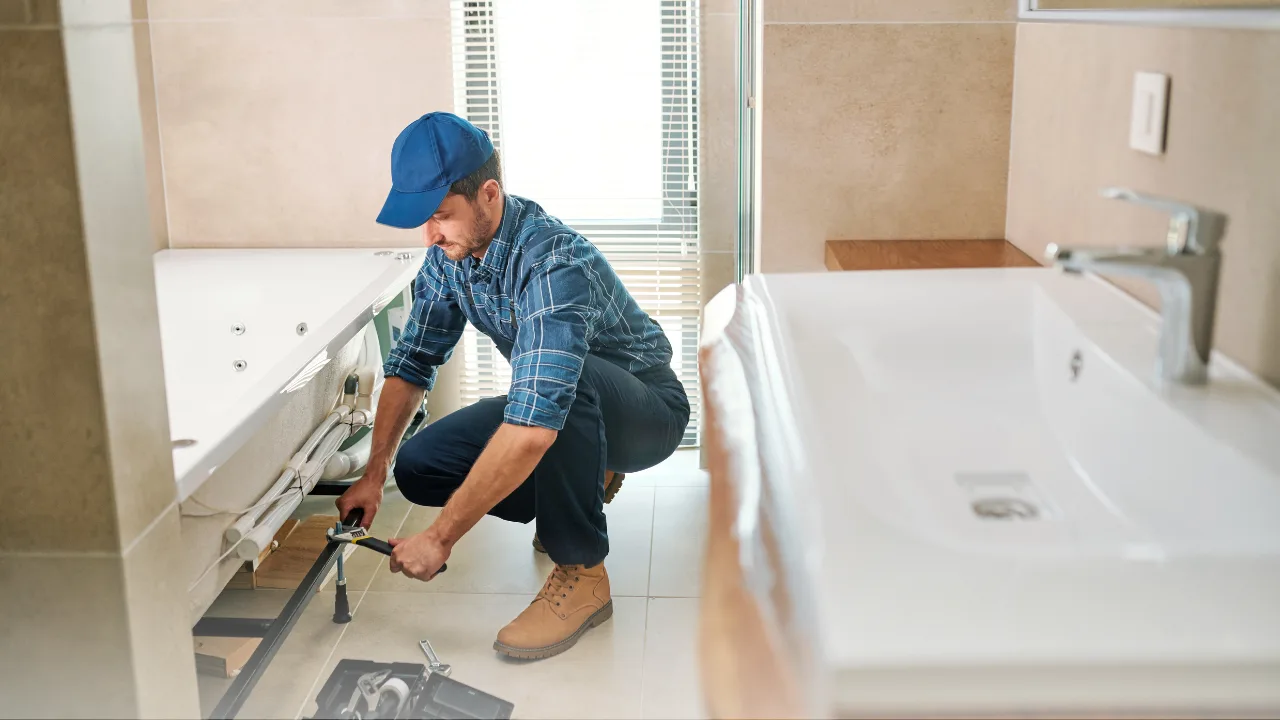
In 2023, a Melbourne family decided to give their tired bathroom a new look. The tiles were still intact but dated. Their options seemed simple: spend thousands on retiling or pay far less to resurface. They chose resurfacing for $2,500. Within two years, the glossy coating peeled at the edges, exposing mold underneath. Repairs cost another $3,000. Their “cheap” decision became a costly lesson.
This story is not rare. Melbourne homeowners are often torn between retiling and resurfacing, both promising savings but with very different results. Which option truly saves more in Melbourne’s unique housing market? Let’s break it down with facts, stories, and hard data.
Fast Facts
- Resurfacing: Costs $1,500–$4,000, quick 1–2 day turnaround, but risks peeling in 2–4 years.
- Retiling: Costs $3,000–$12,000, takes 7–10 days, but lasts 20–30 years with proper waterproofing.
- Resale Value: Retiling adds 5–10% uplift, while resurfacing only 2–3% if flawless.
- Regulations: AS 3740:2021 waterproofing standards apply; VBA rejects 15% of resurfacing permits.
- Best Choice: Resurfacing suits short-term budgets, retiling suits long-term durability and value.
Why Bathroom Renovation Choices Stress Melbourne Families
Bathroom renovations are among the most expensive projects for homeowners. The Housing Industry Association (HIA) places the average renovation at $26,000 in Australia. In Melbourne, costs run even higher due to stricter building codes, labour shortages, and material price spikes.
Homeowners worry about:
- Blowing the budget on demolition, waterproofing, and tiling.
- Losing access to their only bathroom for weeks.
- Tradies cutting corners that lead to leaks and future disputes.
- Whether a quick fix like resurfacing will hurt their resale value.
The Unexpected Truth: Cheap Now Can Cost More Later
At first glance, resurfacing seems the clear winner. It costs 40–60% less than retiling and takes just 1–2 days, compared to up to 10 days for full retiling. The bathroom looks brand new almost instantly.
But here’s the catch: in Melbourne’s climate of humid winters and hot summers, resurfaced bathrooms often fail earlier than promised. Studies and consumer reviews show that 20–30% of resurfaced bathrooms peel or crack within 2–4 years, leading to repair bills that erase the original savings.
Retiling costs more upfront, but when done to AS 3740:2021 waterproofing standards, it can last 20–30 years with only minor grout maintenance. For long-term value and fewer headaches, retiling often outperforms resurfacing.
Retiling in Melbourne: Durable but Disruptive
What’s involved?
- Demolishing old tiles and preparing the substrate.
- Applying new waterproofing membranes as required by law.
- Installing fresh tiles, grouting, and sealing.
Costs: $3,000–$12,000+, depending on size, tile selection, and complexity.
Time: 7–10 days, often leaving families without a usable bathroom.
Pros:
- Long lifespan (20+ years).
- Strong impact on resale value (+5–10% property uplift).
- Fully compliant with Victorian waterproofing regulations.
Cons:
- Higher upfront cost.
- Noise, dust, and demolition waste.
- Requires careful project management to avoid delays.
Tradies admit retiling involves more work and lower margins, but it delivers reliability.
Resurfacing in Melbourne: Fast Fix, Hidden Risks
What’s involved?
- Cleaning and sanding existing tiles.
- Applying epoxy or urethane coatings over surfaces, baths, or vanities.
- Sealing edges and joins.
Costs: $1,500–$4,000 for a standard bathroom.
Time: 1–2 days with minimal disruption.
Pros:
- Affordable upfront.
- Quicker turnaround with less mess.
- Ideal for short-term fixes or rental properties.
Cons:
- Prone to peeling and cracking within 2–4 years in 20–30% of cases.
- Higher risk of water ingress through micro-cracks.
- Limited impact on resale (+2–3% uplift at best).
- Warranties often voided if coatings fail, leaving homeowners to pay.
Resurfacing is attractive for landlords or homeowners preparing to sell quickly, but risky for families who plan to stay long term.
Want More Bathroom Insights?
Discover the answers to the most Googled bathroom renovation questions in Melbourne and make smarter choices.
Read the Full GuideThe Melbourne Factor: Climate and Regulation Matter
Melbourne’s variable climate, 10°C winters to 35°C summers, stresses bathroom coatings. Expansion and contraction from temperature swings accelerate adhesion failures. Regulators are aware: the Victorian Building Authority (VBA) rejects 15% of resurfacing permits when substrates lack proper membranes or when particleboard is used.
By law, AS 3740:2021 requires full-floor waterproofing in showers and walls sealed up to 1800mm. Non-compliant resurfacing can trigger $10,000 fines, insurance disputes, and 10-year defect liabilities under the Domestic Building Act.
Cost Comparison: Retiling vs. Resurfacing in Melbourne
| Factor | Resurfacing | Retiling |
|---|---|---|
| Upfront cost | $1,500–$4,000 | $3,000–$12,000 |
| Time / downtime | 1–2 days | 7–10 days |
| Lifespan | 5–15 years (but failures in 2–4 years common) | 20–30 years |
| Maintenance | $500–$1,000 every few years (repairs) | $200–$500 per decade (grout) |
| Risk of leaks | High (3x more insurance claims) | Low with proper waterproofing |
| Resale value uplift | +2–3% | +5–10% |
| Warranty disputes | 30% of resurfacing claims rejected | 10% of retiling claims |
What Melbourne Homeowners Are Searching For
How much does resurfacing cost?
About $150–500 per m² or $1,500–$4,000 for a bathroom.
Does resurfacing last as long as retiling?
No. Retiling lasts 20–30 years; resurfacing can fail in as little as 2–4 years.
Do I need a permit to retile in Victoria?
No permit if it is like-for-like replacement, but waterproofing must still comply with AS 3740:2021.
Is resurfacing good for selling a house?
Yes, if flawless. But any sign of peeling lowers buyer confidence. Retiling gives stronger returns.
Which Option Saves More in Melbourne?
The answer depends on your goals.
- Short-term: Resurfacing saves money and time if you need a quick cosmetic lift for under $4,000. Perfect for rentals or homes going on the market soon.
- Long-term: Retiling saves more over decades by reducing rework, avoiding water damage, and boosting property value.
Real estate agents confirm that buyers view resurfaced bathrooms as “band-aid fixes,” while tiled bathrooms command higher resale premiums.
Expert Tips for Melbourne Homeowners
- Check tile stability: Never resurface over loose tiles.
- Ask for waterproofing certificates: Especially when retiling.
- Get multiple quotes: Compare resurfacing and retiling prices side by side.
- Read warranties carefully: Many resurfacing warranties exclude peeling. For disputes or warranty claims, homeowners can contact Consumer Affairs Victoria for guidance.
- Consider your timeline: Selling soon? Resurface. Staying long-term? Retile.
Plan a Winter Renovation with Confidence
Learn how to successfully renovate your bathroom during Melbourne’s colder months and avoid common pitfalls.
Read Winter Renovation GuideThe Final Word: Choose Wisely, Save Smart
The Melbourne family in our opening story learned the hard way that a quick fix can lead to bigger bills. While resurfacing offers immediate savings, hidden risks like peeling and leaks often erase those gains. Retiling costs more upfront but pays back in durability, compliance, and resale value.
For homeowners in Melbourne, the smartest choice depends on your goals. If you want a short-term cosmetic upgrade, resurfacing may be enough. If you’re investing in your forever home or aiming to add real value before selling, retiling is the stronger path.
That’s where having the right team matters. Skilled Tradies Melbourne specialises in both resurfacing and full bathroom renovations. Their licensed tradies understand local regulations, waterproofing standards, and the true cost trade-offs. With expert advice and transparent quotes, they help you make a decision that fits your budget today and protects your home tomorrow.