Jackpots locaux contre réseaux : comment choisir sa machine à sous en France
Le paysage français des machines à sous s’articule autour de deux grandes familles de jackpots : les progressifs locaux, propres à un établissement, et les progressifs en réseau, mutualisés entre plusieurs casinos. Comprendre cette distinction change radicalement la stratégie du joueur, car la taille des cagnottes ne dépend pas des mêmes mécanismes. Un jackpot local grossit uniquement grâce aux mises réalisées sur une machine ou un groupe restreint de machines. Un jackpot en réseau, lui, alimente sa cagnotte via des centaines, voire des milliers de bornes connectées simultanément. Découvrez plus d’informations sur casinos français avec cashlib.
Le jackpot local : proximité et fréquence de déclenchement
Dans un casino terrestre français, le jackpot local présente un avantage concret : sa progression est visible en temps réel sur l’écran de la machine. Le joueur sait exactement où en est la cagnotte. Statistiquement, ces jackpots se déclenchent plus souvent, mais pour des montants généralement compris entre quelques milliers et quelques dizaines de milliers d’euros.
La contrepartie est évidente. Si l’établissement connaît une faible affluence, la cagnotte monte lentement. Un joueur qui mise le montant maximum autorisé augmente ses chances, mais le taux de retour global reste encadré : les machines à sous françaises affichent un TRJ (taux de retour au joueur) légal compris entre 85 % et 97 %, selon les modèles homologués.
Autre point à considérer : certaines machines à jackpot local exigent une mise maximale sur toutes les lignes pour éligibilité au gros lot. Négliger ce détail revient à jouer sans jamais pouvoir décrocher le jackpot, même en alignant les bons symboles.
Le jackpot en réseau : mutualisation et cagnottes exponentielles
Le principe du réseau repose sur la connexion de nombreuses machines, parfois réparties sur tout le territoire. Chaque mise, sur chaque borne reliée, alimente une cagnotte commune. Résultat : les montants grimpent vite et peuvent atteindre plusieurs millions d’euros.
Cette démesure a un revers. La probabilité de décrocher un jackpot réseau est nettement plus faible, car des milliers de joueurs y contribuent en permanence. Le déclenchement dépend souvent d’un générateur de nombres aléatoires indépendant du résultat des rouleaux.
Pour les amateurs de sensations fortes et de gains potentiellement transformateurs, le réseau reste attractif. Mais il faut accepter une variance élevée : de longues sessions sans retour significatif sont courantes.
Quel choix privilégier selon votre profil
Le joueur recherchant des gains réguliers, même modestes, se tournera plutôt vers un jackpot local dans un établissement à forte fréquentation. À l’inverse, celui qui vise le gain exceptionnel acceptera la rareté du jackpot réseau.
Critère
Jackpot local
Jackpot réseau
Montant moyen
Modéré
Très élevé
Fréquence de gain
Plus élevée
Plus faible
Progression visible
Oui
Partielle
Dans les deux cas, la mise maximale reste souvent la condition d’éligibilité. Vérifiez toujours les règles affichées sur la machine avant de commencer. Une gestion rigoureuse du budget, avec des sessions limitées, demeure la meilleure protection contre la variance inhérente à ces jeux.
Le free spin, ou tour gratuit, est devenu l’un des arguments marketing les plus visibles de l’industrie du jeu en ligne. Sur le marché français, l’Autorité Nationale des Jeux encadre strictement ces offres depuis 2010, ce qui change radicalement la façon dont elles sont conçues. Comprendre leur mécanique évite bien des déceptions, car tous les tours gratuits ne se valent pas. Pour en savoir plus, consultez apple pay casino france.
Le principe de base du tour gratuit
Un free spin correspond à une rotation offerte sur une machine à sous, sans que le joueur engage son propre argent. Le montant misé par tour est fixé à l’avance par l’opérateur : il peut s’agir de 0,10 €, 0,20 € ou 1 € selon l’offre. Le gain éventuel est ensuite crédité sur le solde, mais il passe presque toujours par une phase de conversion.
Deux grandes familles existent. Les spins sans dépôt, d’abord, qui récompensent une simple inscription : leur nombre reste modeste, souvent 10 à 50 tours, précisément parce qu’aucun paiement n’est exigé. Les spins liés à un dépôt, ensuite, beaucoup plus généreux : un versement de 20 € peut déclencher 100 à 200 tours.
Il faut distinguer ces bonus des tours gratuits intégrés au jeu lui-même. Quand trois symboles scatter apparaissent sur les rouleaux, la machine déclenche sa propre série de rotations, souvent avec un multiplicateur. Cette mécanique appartient au gameplay et n’a rien à voir avec une promotion commerciale.
Conditions de mise et plafonds de retrait
Le cœur du sujet, c’est l’exigence de mise, appelée wagering. Un coefficient de x30 signifie que vous devez jouer 30 fois le montant du gain avant de pouvoir retirer quoi que ce soit. Si vos 50 tours rapportent 15 €, il faut donc miser 450 € au total. Un chiffre qui surprend souvent les nouveaux joueurs.
Autre point sensible : le plafond de gain. Beaucoup d’offres limitent le gain issu des tours gratuits à 50 €, 100 € ou 200 €. Tout ce qui dépasse reste chez l’opérateur. Vérifiez aussi la durée de validité, généralement comprise entre 7 et 30 jours, et la liste des machines éligibles, parfois réduite à deux ou trois titres.
Les plateformes sérieuses affichent ces règles en clair avant l’activation. Sur les casinos en bitcoins, la question se pose différemment : ces opérateurs échappent à la licence ANJ et proposent parfois des conditions plus souples, avec un wagering de x20 ou x25. Un écart notable qui explique leur attractivité auprès des joueurs français à l’aise avec les cryptomonnaies.
Comment maximiser la valeur d’un tour gratuit
Lire le tableau des conditions avant de cliquer sur « activer »
Privilégier les offres dont le wagering est inférieur à x35
Vérifier la contribution des machines au calcul de la mise
Surveiller la date d’expiration pour ne pas perdre les tours
Comparer le plafond de retrait, pas seulement le nombre de spins
Un dernier réflexe utile : calculer le rendement théorique. Une offre de 100 tours à 0,10 € représente 10 € de mise réelle. Si le wagering atteint x40 et le plafond de gain 50 €, la valeur attendue reste faible. À l’inverse, 20 tours à 1 € avec un wagering de x20 offrent une marge bien plus confortable.
Le free spin reste un outil de découverte intéressant, à condition de le traiter comme un produit financier et non comme un cadeau. Les chiffres, eux, ne mentent pas : lisez, comparez, puis décidez.
When Sarah from Brunswick received a $42,000 quote to renovate her small bathroom, she thought it had to be a mistake. Online guides told her that most Australian bathrooms cost around $15,000 to $30,000. Her space was only six square metres. Why would her renovation cost more than double the national average?
Her experience is not unusual. Many Melbourne homeowners feel shocked when they see real quotes. They compare them to national cost guides and wonder why the numbers do not match. This article explains the real cost difference between Australia and Melbourne and shows what drives prices higher in the city. It also helps you understand hidden costs, trade shortages, and realistic budget levels so you can plan with confidence.
Fast Facts
Melbourne bathrooms cost 20 to 50 percent more than the Australian average due to labour and material demand.
Hidden costs add 20 to 30 percent to most projects, especially in older suburbs with asbestos and structural issues.
Trade shortages increase delays by two to four weeks and raise overall project costs.
Mid range Melbourne renovations average $25,000 to $50,000, depending on size and complexity.
Licensed waterproofing and plumbing are essential for compliance and long term protection.
Australia vs Melbourne: The Cost Gap Explained Clearly
Across Australia, the average bathroom renovation cost in 2025 is about $26,000. This figure comes from the Housing Industry Association and covers a standard mid range remodel of an average bathroom. A basic project starts at eight to fifteen thousand dollars. Premium projects can reach thirty five thousand dollars or more.
Costs have risen about twenty four percent since 2021 because of inflation, material shortages, and increased demand for trades.
In Melbourne, the picture looks very different. Renovations cost between twenty and fifty percent more than the national average. A full service project often sits between thirty and fifty thousand dollars. Many professionally managed renovations, including design, demolition, trades, and warranties, come in at forty nine to fifty nine thousand dollars. Small apartments can reach sixty thousand dollars because of access issues and strict building management rules.
Your research shows why this happens. Labour costs in Melbourne are higher than in most states. Plumbers charged ninety to one hundred fifty dollars per hour in 2025. Tilers charged forty five to sixty five dollars per square metre. These rates are ten to twenty percent higher than in NSW or Queensland. Materials also cost more because of transport, import delays, and high demand in dense suburbs.
Inner city areas like Fitzroy, Carlton, and the CBD have even higher prices. Heritage rules, small spaces, limited parking, and access fees add twenty to thirty percent to the final cost. Many homeowners describe a local issue called the Melbourne tax. This refers to overbooked tradies who increase prices by ten thousand dollars or more because demand is so strong.
Related Insight
If you are renovating in Melbourne, it is important to understand the risks of working without approval. Learn what happens when you skip a permit in Victoria in this short guide at
What Happens if You Skip a Renovation Permit in Victoria
.
Hidden Costs That Catch Melbourne Homeowners Off Guard
Even when the base quote looks reasonable, many homeowners face extra charges during the build. Hidden costs often add twenty to thirty percent to the final bill. This is one of the most common complaints in forums and review sites.
Asbestos is a major factor in older suburbs like Hawthorn and Brunswick. Testing costs two to five hundred dollars. Removal costs start at one thousand and can exceed five thousand dollars. One Reddit user reported a three thousand dollar variation for ceiling and floor asbestos alone.
Structural damage is also common in Victorian era homes. Rot behind tiles can cost two to six thousand dollars to fix. Old plumbing can leak and cause water damage that adds three to seven thousand dollars to the project.
Waterproofing upgrades cost five hundred to fifteen hundred dollars. Moving plumbing or electrical points can add three thousand to seven thousand dollars. Apartment owners also face strata approval fees of one to three thousand dollars.
Consumer Affairs Victoria reports that variation fees add fifteen to twenty five percent to many projects. This means a forty thousand dollar job can rise by four to ten thousand dollars before completion. Many budget quotes exclude these items which creates confusion for homeowners.
Why Melbourne Timelines Blow Out More Than Expected
Melbourne also faces a critical shortage of skilled trades. The HIA Trades Availability Index reported a negative point five eight for Victoria in early 2025. This means there are more jobs than available workers. Plumbers, tilers, and waterproofers are the hardest to book.
Homeowners often wait four to eight weeks for a single trade. Many also face no responses to quote requests. According to hipages data, thirty percent of homeowners never hear back at all.
Shortages cause delays that increase costs. A late tiler can push back every other trade. This adds two to five thousand dollars in extra labour or storage fees. Reddit threads show that one in four Melbourne bathroom projects runs two to four weeks over schedule. This is much higher than in regional areas.
What Your Budget Really Buys in Melbourne
Many homeowners want to know what they can expect at each price level. A ten thousand dollar renovation in Melbourne is almost always cosmetic. It covers a basic vanity, taps, paint and a few tiles. It does not include structural work, waterproofing upgrades or layout changes.
A budget of twenty to thirty five thousand dollars covers a mid range renovation. This includes new tiles, shower upgrades, some plumbing changes and mid quality fixtures. It is the most common category in Melbourne. Some contractors may use cheaper materials which can affect the long term result.
A budget above thirty thousand dollars covers premium upgrades. These include layout changes, custom joinery, frameless glass, heated floors and smart features. While these projects look impressive, they may not give a strong return for rental properties.
Higher budgets do not always guarantee better work. Quality depends on the company, the licence, and the trades involved. The Victorian Building Authority has found many waterproofing jobs fail because they were done by unlicensed workers. This often leads to leaks that cost thousands to fix.
How to Avoid Budget Blowouts and Choose a Trustworthy Renovation Team
Homeowners can protect themselves with a few simple steps. Ask for itemised quotes to see exactly what is included. Confirm that demolition, waste removal, plumbing, waterproofing, and electrical work are listed. Check all licences through the Victorian Building Authority website.
Apartment owners should ask about strata approvals early. These approvals take one to three weeks and can cause delays if left too late.
A clear plan also helps. Companies that offer full project management reduce the risk of mistakes, delays, and poor communication. Many Melbourne homeowners choose teams like Skilled Tradies Melbourne because they provide transparent quotes, licensed trades, and streamlined scheduling.
When you understand the costs, the hidden risks, and the local pressures in Melbourne, you can plan a bathroom renovation with confidence. The goal is not to get the cheapest quote but the most complete and honest one.
Frequently Asked Questions
How much does a bathroom renovation cost in Melbourne in 2025?
Most Melbourne bathroom renovations cost between $25,000 and $50,000 in 2025. This is higher than the Australian average due to labour shortages, higher trade rates, and material costs. Premium or complex renovations can exceed $50,000, especially in inner city or heritage properties.
Why are Melbourne bathroom renovations more expensive than the national average?
Melbourne has some of the highest labour costs in the country and strong demand for skilled trades. Material prices are also higher because of transport and supply chain challenges. Tight access, strata rules, and older housing stock add extra costs that many other cities do not face.
How can I avoid unexpected costs during a bathroom renovation?
Ask for itemised quotes, confirm licensing for all trades, and request written details for demolition, waterproofing, plumbing, and waste removal. Understanding strata approvals and checking for asbestos or structural issues early also helps prevent cost blowouts. Choosing a team that manages the full process reduces risk and delays.
In Melbourne, kitchen renovations are no longer just about style. In 2026, more homeowners are focusing on sustainability, energy efficiency, and healthier living spaces.
Rising energy costs, stricter building expectations, and growing environmental awareness are pushing renovators toward smarter material choices. From low-toxicity finishes to recycled surfaces, eco-friendly kitchens are becoming the new standard rather than a niche trend.
This guide explores the best eco-friendly kitchen materials in Melbourne for 2026, helping you build a space that looks great, performs well, and reduces your environmental impact.
Why Eco-Friendly Kitchens Are Growing in Melbourne in 2026
Melbourne homeowners are shifting toward sustainable kitchens for three key reasons:
Lower long-term costs through energy and water efficiency
Healthier indoor air quality with low-toxicity materials
Higher property value as buyers prefer eco-conscious homes
In 2026, sustainable renovations are no longer optional. They are becoming a key factor in modern home design and resale value.
Sustainable Cabinets That Start It All
Cabinetry takes up a huge portion of any kitchen. So, starting with sustainable materials here makes a big impact.
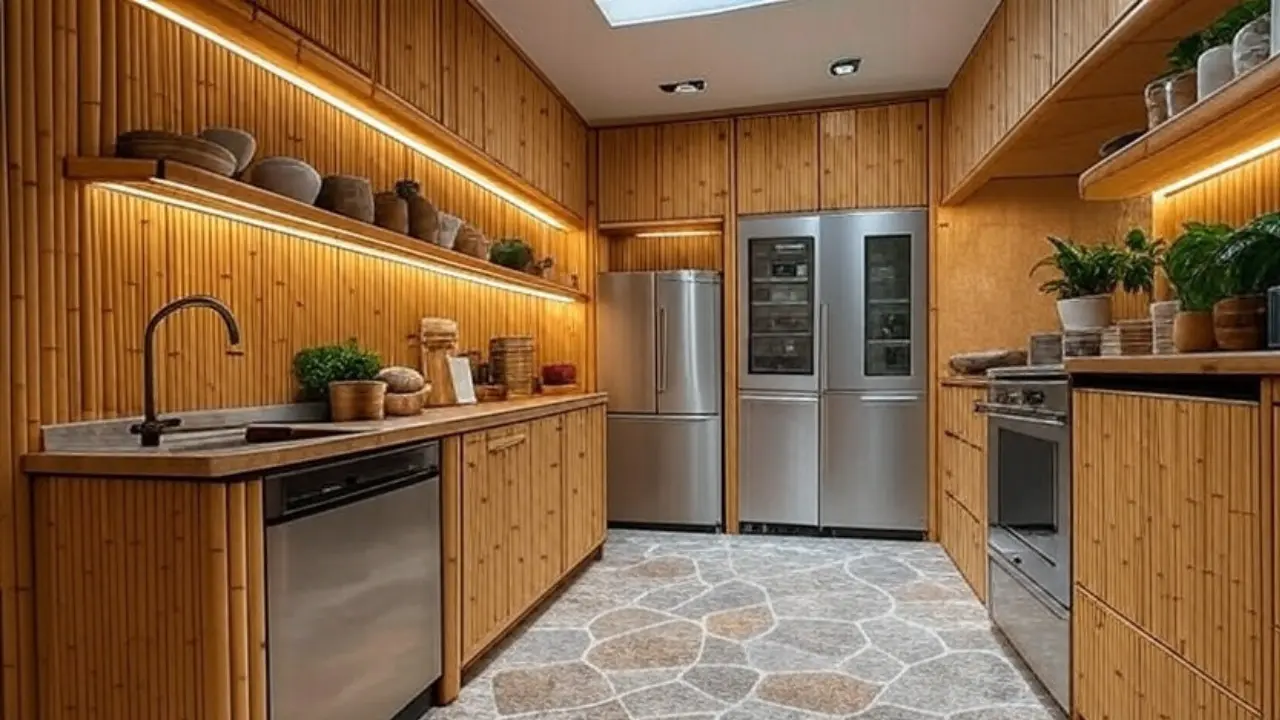
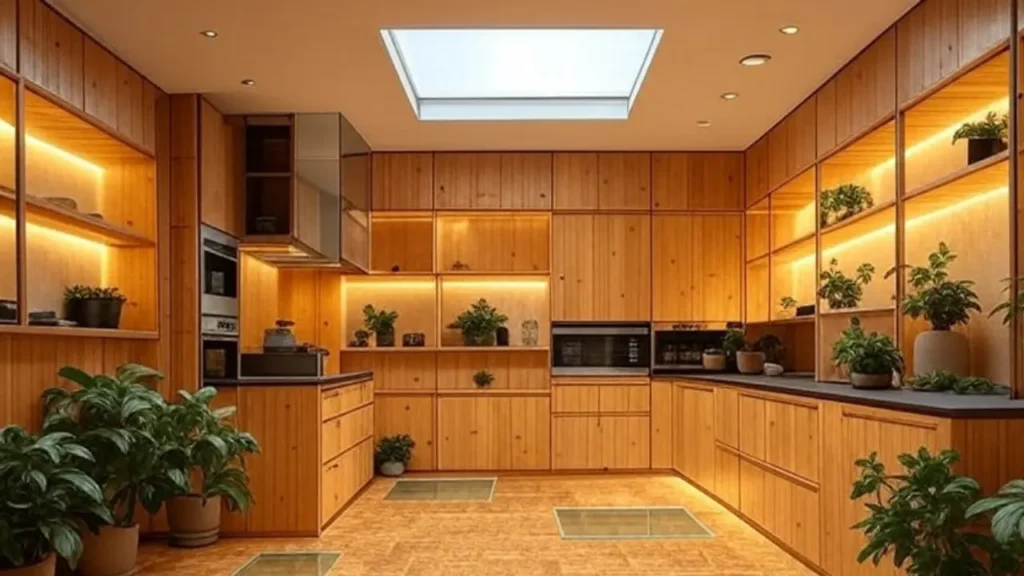
Many Melbourne homeowners are now choosing FSC-certified timber, recycled wood, or bamboo for their cabinets. FSC-certified wood means the timber comes from responsibly managed forests. Recycled wood not only saves trees but also adds character with its natural imperfections and rich history.
Bamboo, although technically a grass, is another popular choice. It grows fast, needs fewer chemicals to produce, and is strong enough to last many years. These materials are often finished with low-VOC (volatile organic compound) paints or water-based sealants, which release fewer toxic fumes into the air, making kitchens healthier for the whole family.
Eco-Friendly Benchtops That Combine Style and Strength
The benchtop is where most of the kitchen action happens, so it has to be durable and beautiful. Luckily, there are many eco-friendly options that check both boxes.
Recycled glass benchtops are made from crushed bottles and jars that are bonded with resin. They offer a colorful, glossy finish and help reduce landfill waste. Another standout is paper composite benchtops, which are made from layers of recycled paper and non-toxic resin. These are heat-resistant, long-lasting, and easy to clean.
Some homeowners also go for reclaimed timber slabs, which can be sanded and sealed to look modern while preserving a rustic feel. For an industrial look, concrete benchtops mixed with recycled aggregates are a great choice. They use less raw material and are often poured on-site to reduce transport emissions.
Natural Flooring That’s Gentle on the Earth
Kitchen floors take a lot of wear and tear, but that doesn’t mean they have to be harmful to the planet.
One great option is cork flooring. Cork is harvested from tree bark without cutting the tree down, and it grows back within a few years. It’s soft underfoot, naturally water-resistant, and great for reducing noise.
Bamboo flooring is another eco winner. It matures in just 3–5 years and can be made into strong, stylish planks that mimic the look of hardwood. Natural linoleum, made from linseed oil, wood dust, and other renewable materials, is biodegradable and doesn’t contain any harmful PVC.
Many Melbourne renovators are also bringing back reclaimed hardwood and polished concrete floors, both of which offer durability and a long life span with less impact on the environment.
Creative Splashbacks That Reuse What Others Throw Away
Splashbacks don’t just protect your walls, they can also showcase your creativity while supporting the environment.
Melbourne designers are now using recycled mirror glass, smashed glass in resin, and recycled ceramic tiles to build stunning splashback designs. These materials reflect light, making kitchens feel bigger and brighter, while reducing the need for new raw materials.
Some homeowners have even used recycled wine bottles or old windows to create one-of-a-kind splashbacks. The goal is simple: reuse what already exists to make something beautiful and functional.
Safer Paints and Finishes That Protect Your Health
Paints and finishes can release harmful chemicals into the air. That’s why Melbourne’s eco-friendly kitchens use low-VOC or zero-VOC paints from brands like Resene, Wattyl, and Porter’s Paints. These paints are just as colorful and long-lasting as regular ones but much safer to breathe in.
For wood finishes, water-based polyurethanes are a popular choice. They give a smooth finish without the harsh smell and dry faster, helping renovators stay on schedule while keeping homes healthier.
Smart Appliances That Save Power and Water
Eco-friendly kitchens also focus on what goes inside. Melbourne homeowners are switching to energy-efficient appliances that lower power and water bills.
Induction cooktops, for example, use magnetic fields to heat pots directly. They’re faster and safer than gas, and they don’t waste heat. Water-saving dishwashers and smart fridges with inverter compressors also use less energy without cutting corners on performance.
Appliances with Energy Star or WELS ratings are easy to find in local stores. Brands like Bosch and Fisher & Paykel are known for durable, eco-conscious models with long warranties, reducing waste by lasting longer.
Bright Ideas for Energy-Saving Lights
Lighting is a simple place to make your kitchen more eco-friendly. Switching to LED lights can cut your energy use by up to 80% compared to halogen bulbs, and they can last for 10–15 years.
In Melbourne, many kitchens now include LED strip lights under cabinets, dimmer switches, and motion sensors to reduce electricity waste. If you want more daylight, installing skylights or solar tubes brings in natural light and lowers the need for bulbs during the day.
Waste Reduction That Starts with the Renovation
Sustainability doesn’t stop with the materials, it also includes how you handle waste during and after the renovation.
Some Melbourne families are donating old cabinets and appliances instead of tossing them. Others are recycling leftover materials like wood, tiles, and metal. Even better, they plan ahead to avoid over-ordering supplies.
After the kitchen is done, it helps to include space for compost bins, recycling stations, and even worm farms. These small changes make a big difference over time. Groups like The Recycle Shed and ReDirect support households that want to dispose of materials the right way.
Real-Life Melbourne Examples
A Brunswick home recently renovated its kitchen using green cabinets with water-based paint, copper handles, and appliances powered entirely by solar panels. In Thornbury, another kitchen now has a splashback made from recycled wine bottles, paired with bamboo cabinetry and a paper composite benchtop.
These homes prove that eco-friendly design isn’t just for showrooms, it’s happening across Melbourne, one smart choice at a time.
How to Build an Eco-Friendly Kitchen Without Overspending
Creating a sustainable kitchen does not mean spending more. In many cases, it actually reduces long-term costs.
Here’s how Melbourne homeowners are doing it in 2026:
Mix premium materials with budget-friendly alternatives
Focus on high-impact upgrades like appliances and lighting
Reuse existing cabinets where possible
Buy locally to reduce transport and material costs
Plan early to avoid waste and rework
A smart eco renovation focuses on efficiency, durability, and long-term savings, not just upfront cost.
Final Thoughts
Eco-friendly kitchen renovations in Melbourne are no longer just a trend. They are a smarter way to build homes that are healthier, more efficient, and better suited for the future.
By choosing sustainable materials, energy-efficient appliances, and low-impact finishes, you create a kitchen that not only looks modern but also performs better over time.
Working with the right professionals makes all the difference. That’s where Skilled Tradies Melbourne comes in. Our team helps Melbourne homeowners design and build kitchens that balance sustainability, style, and budget.
We guide you through material selection, planning, and installation to ensure your renovation delivers long-term value without unnecessary costs.
Contact Skilled Tradies today for a free consultation and start building your eco-friendly kitchen the smart way.
Eco-Friendly Kitchen FAQs (Melbourne 2026)
What are the most eco-friendly kitchen materials in Melbourne?
Popular choices include bamboo, recycled timber, cork flooring, recycled glass benchtops, and low-VOC paints. These materials reduce environmental impact while maintaining durability and style.
Do eco-friendly kitchens cost more in Melbourne?
Not always. While some materials cost more upfront, eco-friendly kitchens often save money long term through lower energy bills, durability, and reduced maintenance costs.
Do eco-friendly renovations increase property value in Melbourne?
Yes. Sustainable kitchens are increasingly attractive to buyers and can improve resale value, especially in environmentally conscious suburbs across Melbourne.
Skilled Tradies is excited to bring you a series of mysteries and out-of-the-ordinary stories related to renovations across the world. The stories are captured from varied sources and renovators worldwide; this is one of the many intriguing stories to come.
Hidden treasures often hold stories that connect us to the past, and one man’s surprising discovery behind a bathroom wall did just that. Tim King, a construction professional from Lombard, Illinois, uncovered a Christmas gift from decades ago while renovating his childhood home. This gift came as a Christmas miracle to King and people across the internet.
Neatly Wrapped Gift Covered In Dust
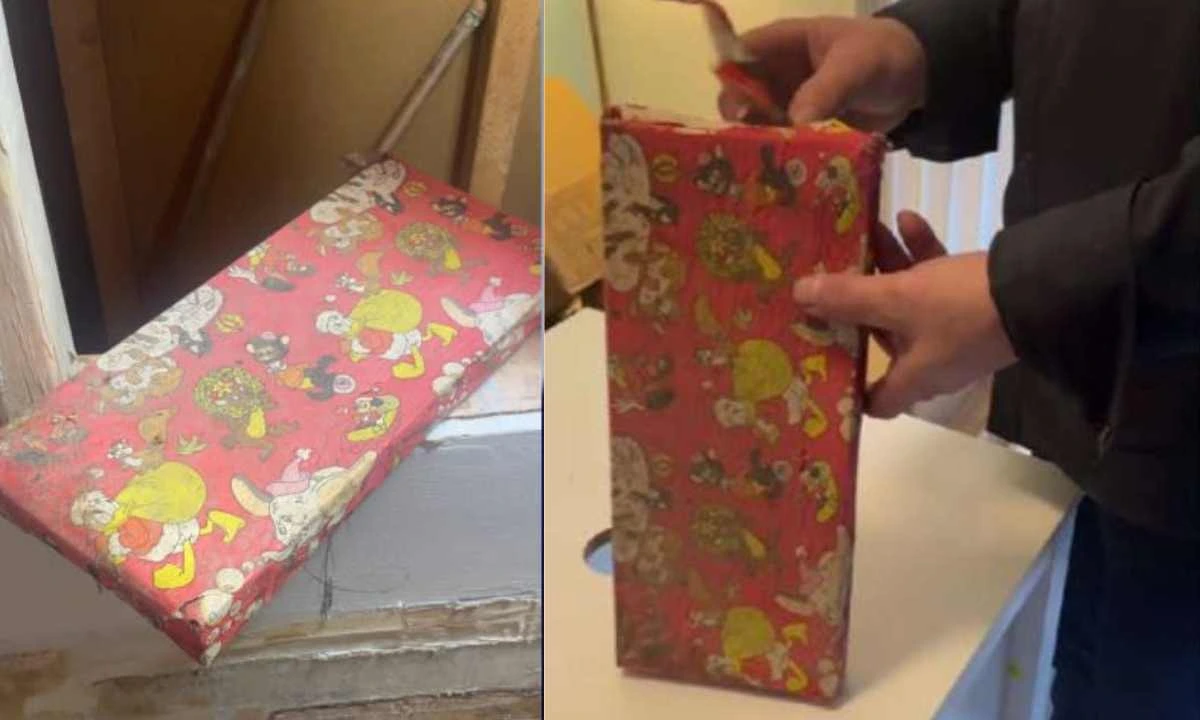
Tim King, owner of T.King Construction Services, was helping his parents renovate their home when he made the unexpected find. As he removed a medicine cabinet from the bathroom wall to prepare it for drywalling, he spotted a neatly wrapped gift covered in dust.
“We took out a medicine cabinet before we drywalled, and I thought, ‘I’d better just look in there to make sure nothing’s back there,’” Tim, 53, shared. “And then there it was!”
On December 27, Tim shared the discovery on Instagram, guiding viewers to the spot where the present had been hidden for decades. The video, captioned “#Christmasmiracle,” quickly went viral, amassing over 35,000 likes by January 4.
Unwrapping the Mystery
The curiosity about the hidden gift didn’t stop there. In a follow-up video, Tim opened the package in front of his mother. Inside was a box of now-vintage Matchbox model airplanes.
“My mom wasn’t awake yet, so we waited to open it in front of her,” Tim said, adding that his mother had no recollection of ever buying the gift. The moment was both nostalgic and surprising, as they speculated how the present ended up behind the wall.
Tim explained that his parents used to hide Christmas gifts in the attic. They believe the box may have accidentally fallen into a crawl space and remained there unnoticed for decades.
“I’ve been joking that I’ve been screwed out of one present for 46 years,” Tim laughed.
A Journey Through Time
The toy likely purchased around 1978, would have made Tim about six years old when it was meant to be gifted. The discovery offers a unique glimpse into the family’s holiday traditions of hiding gifts in creative spots around the house.
Such traditions, while designed to keep surprises intact, sometimes led to unintentional mysteries—like this one, which remained unsolved for nearly half a century.
The Emotional Resonance
Beyond the humor in Tim’s comment about a long-delayed present, the find highlights the emotional impact of such discoveries. Lost-and-found treasures often evoke a mix of nostalgia and surprise, transporting us back to simpler times.
This “Christmas miracle” resonated deeply with Tim’s followers, as the story connected to themes of childhood memories and family traditions. It’s no wonder such tales captivate us—they remind us of the little joys tucked away in the corners of life.
The Role of Social Media
Social media played a significant role in sharing Tim’s experience with a global audience. His Instagram video not only showcased the discovery but also sparked engagement from viewers. Many commented with their own stories of finding forgotten items, expressing how deeply they related to Tim’s moment.
Platforms like Instagram amplify personal moments, allowing stories like Tim’s to reach far beyond their origins. His post became more than a quirky find—it turned into a celebration of family connections and the unexpected treasures that bring them closer.
Conclusion
Tim King’s discovery of a decades-old Christmas gift is a story that blends humor, nostalgia, and the power of social media. It serves as a reminder of how hidden treasures can reconnect us with the past and evoke cherished memories.
Who knows what other hidden stories lie within the walls of old homes? This peculiar find made their renovation project unforgettable. If you’ve ever unearthed something surprising in your own home, share your story—who knows, it might just reveal a fascinating piece of history. Stay with us for more mysteries in bathroom renovation.