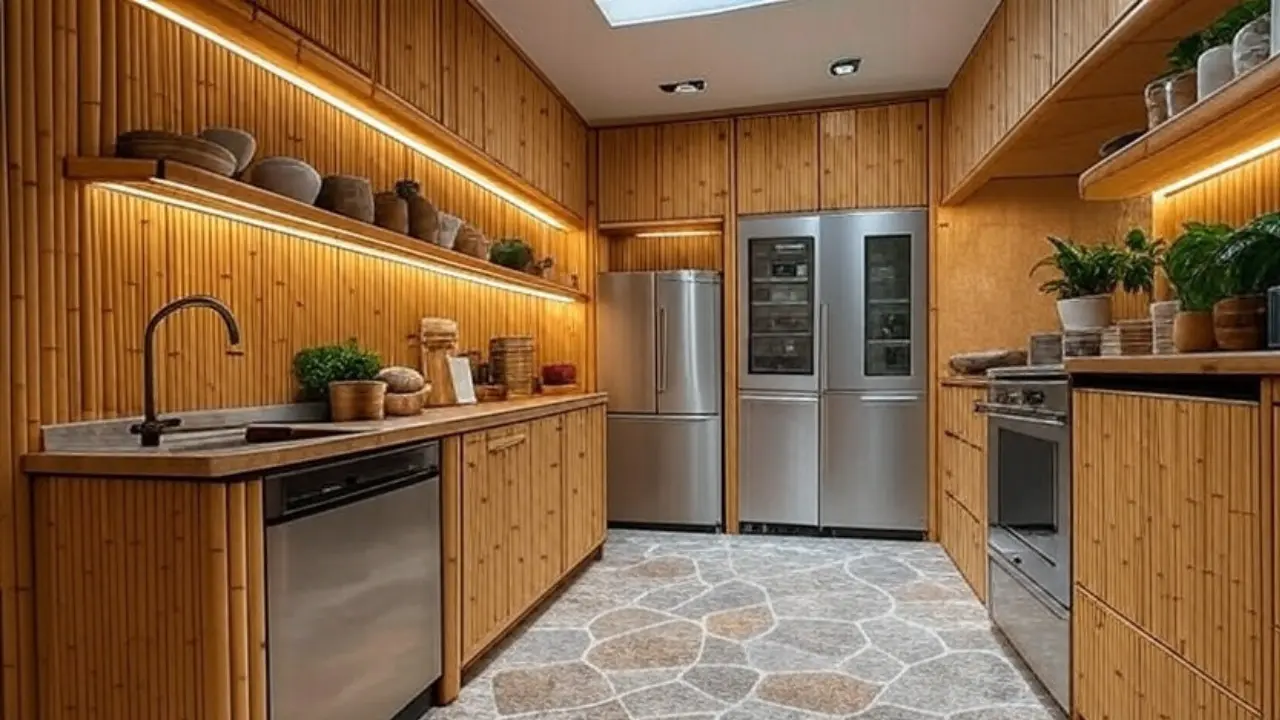
In Melbourne, kitchen renovations are no longer just about style. In 2026, more homeowners are focusing on sustainability, energy efficiency, and healthier living spaces.
Rising energy costs, stricter building expectations, and growing environmental awareness are pushing renovators toward smarter material choices. From low-toxicity finishes to recycled surfaces, eco-friendly kitchens are becoming the new standard rather than a niche trend.
This guide explores the best eco-friendly kitchen materials in Melbourne for 2026, helping you build a space that looks great, performs well, and reduces your environmental impact.
Why Eco-Friendly Kitchens Are Growing in Melbourne in 2026
Melbourne homeowners are shifting toward sustainable kitchens for three key reasons:
- Lower long-term costs through energy and water efficiency
- Healthier indoor air quality with low-toxicity materials
- Higher property value as buyers prefer eco-conscious homes
In 2026, sustainable renovations are no longer optional. They are becoming a key factor in modern home design and resale value.
Sustainable Cabinets That Start It All
Cabinetry takes up a huge portion of any kitchen. So, starting with sustainable materials here makes a big impact.
Many Melbourne homeowners are now choosing FSC-certified timber, recycled wood, or bamboo for their cabinets. FSC-certified wood means the timber comes from responsibly managed forests. Recycled wood not only saves trees but also adds character with its natural imperfections and rich history.
Bamboo, although technically a grass, is another popular choice. It grows fast, needs fewer chemicals to produce, and is strong enough to last many years. These materials are often finished with low-VOC (volatile organic compound) paints or water-based sealants, which release fewer toxic fumes into the air, making kitchens healthier for the whole family.
Eco-Friendly Benchtops That Combine Style and Strength
The benchtop is where most of the kitchen action happens, so it has to be durable and beautiful. Luckily, there are many eco-friendly options that check both boxes.
Recycled glass benchtops are made from crushed bottles and jars that are bonded with resin. They offer a colorful, glossy finish and help reduce landfill waste. Another standout is paper composite benchtops, which are made from layers of recycled paper and non-toxic resin. These are heat-resistant, long-lasting, and easy to clean.
Some homeowners also go for reclaimed timber slabs, which can be sanded and sealed to look modern while preserving a rustic feel. For an industrial look, concrete benchtops mixed with recycled aggregates are a great choice. They use less raw material and are often poured on-site to reduce transport emissions.
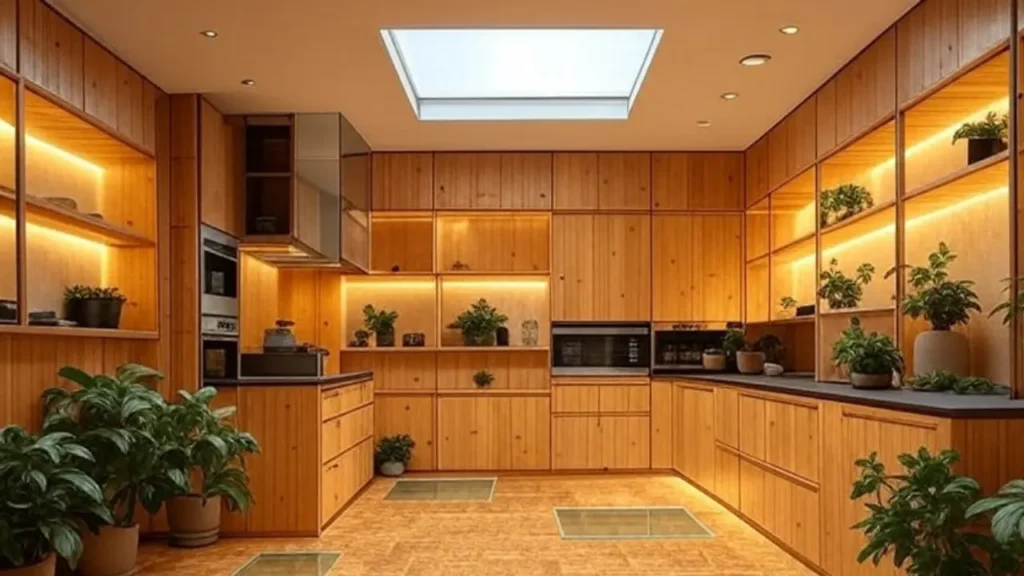
Natural Flooring That’s Gentle on the Earth
Kitchen floors take a lot of wear and tear, but that doesn’t mean they have to be harmful to the planet.
One great option is cork flooring. Cork is harvested from tree bark without cutting the tree down, and it grows back within a few years. It’s soft underfoot, naturally water-resistant, and great for reducing noise.
Bamboo flooring is another eco winner. It matures in just 3–5 years and can be made into strong, stylish planks that mimic the look of hardwood. Natural linoleum, made from linseed oil, wood dust, and other renewable materials, is biodegradable and doesn’t contain any harmful PVC.
Many Melbourne renovators are also bringing back reclaimed hardwood and polished concrete floors, both of which offer durability and a long life span with less impact on the environment.
Creative Splashbacks That Reuse What Others Throw Away
Splashbacks don’t just protect your walls, they can also showcase your creativity while supporting the environment.
Melbourne designers are now using recycled mirror glass, smashed glass in resin, and recycled ceramic tiles to build stunning splashback designs. These materials reflect light, making kitchens feel bigger and brighter, while reducing the need for new raw materials.
Some homeowners have even used recycled wine bottles or old windows to create one-of-a-kind splashbacks. The goal is simple: reuse what already exists to make something beautiful and functional.
Safer Paints and Finishes That Protect Your Health
Paints and finishes can release harmful chemicals into the air. That’s why Melbourne’s eco-friendly kitchens use low-VOC or zero-VOC paints from brands like Resene, Wattyl, and Porter’s Paints. These paints are just as colorful and long-lasting as regular ones but much safer to breathe in.
For wood finishes, water-based polyurethanes are a popular choice. They give a smooth finish without the harsh smell and dry faster, helping renovators stay on schedule while keeping homes healthier.
Smart Appliances That Save Power and Water
Eco-friendly kitchens also focus on what goes inside. Melbourne homeowners are switching to energy-efficient appliances that lower power and water bills.
Induction cooktops, for example, use magnetic fields to heat pots directly. They’re faster and safer than gas, and they don’t waste heat. Water-saving dishwashers and smart fridges with inverter compressors also use less energy without cutting corners on performance.
Appliances with Energy Star or WELS ratings are easy to find in local stores. Brands like Bosch and Fisher & Paykel are known for durable, eco-conscious models with long warranties, reducing waste by lasting longer.
Bright Ideas for Energy-Saving Lights
Lighting is a simple place to make your kitchen more eco-friendly. Switching to LED lights can cut your energy use by up to 80% compared to halogen bulbs, and they can last for 10–15 years.
In Melbourne, many kitchens now include LED strip lights under cabinets, dimmer switches, and motion sensors to reduce electricity waste. If you want more daylight, installing skylights or solar tubes brings in natural light and lowers the need for bulbs during the day.
Waste Reduction That Starts with the Renovation
Sustainability doesn’t stop with the materials, it also includes how you handle waste during and after the renovation.
Some Melbourne families are donating old cabinets and appliances instead of tossing them. Others are recycling leftover materials like wood, tiles, and metal. Even better, they plan ahead to avoid over-ordering supplies.
After the kitchen is done, it helps to include space for compost bins, recycling stations, and even worm farms. These small changes make a big difference over time. Groups like The Recycle Shed and ReDirect support households that want to dispose of materials the right way.
Real-Life Melbourne Examples
A Brunswick home recently renovated its kitchen using green cabinets with water-based paint, copper handles, and appliances powered entirely by solar panels. In Thornbury, another kitchen now has a splashback made from recycled wine bottles, paired with bamboo cabinetry and a paper composite benchtop.
These homes prove that eco-friendly design isn’t just for showrooms, it’s happening across Melbourne, one smart choice at a time.
How to Build an Eco-Friendly Kitchen Without Overspending
Creating a sustainable kitchen does not mean spending more. In many cases, it actually reduces long-term costs.
Here’s how Melbourne homeowners are doing it in 2026:
- Mix premium materials with budget-friendly alternatives
- Focus on high-impact upgrades like appliances and lighting
- Reuse existing cabinets where possible
- Buy locally to reduce transport and material costs
- Plan early to avoid waste and rework
A smart eco renovation focuses on efficiency, durability, and long-term savings, not just upfront cost.
Final Thoughts
Eco-friendly kitchen renovations in Melbourne are no longer just a trend. They are a smarter way to build homes that are healthier, more efficient, and better suited for the future.
By choosing sustainable materials, energy-efficient appliances, and low-impact finishes, you create a kitchen that not only looks modern but also performs better over time.
Working with the right professionals makes all the difference. That’s where Skilled Tradies Melbourne comes in. Our team helps Melbourne homeowners design and build kitchens that balance sustainability, style, and budget.
We guide you through material selection, planning, and installation to ensure your renovation delivers long-term value without unnecessary costs.
Contact Skilled Tradies today for a free consultation and start building your eco-friendly kitchen the smart way.
Eco-Friendly Kitchen FAQs (Melbourne 2026)
What are the most eco-friendly kitchen materials in Melbourne?
Popular choices include bamboo, recycled timber, cork flooring, recycled glass benchtops, and low-VOC paints. These materials reduce environmental impact while maintaining durability and style.
Do eco-friendly kitchens cost more in Melbourne?
Not always. While some materials cost more upfront, eco-friendly kitchens often save money long term through lower energy bills, durability, and reduced maintenance costs.
Do eco-friendly renovations increase property value in Melbourne?
Yes. Sustainable kitchens are increasingly attractive to buyers and can improve resale value, especially in environmentally conscious suburbs across Melbourne.