

The Most Googled Bathroom Renovation Questions in Melbourne, Answered
Are you a Melbourne homeowner thinking about a bathroom remodel? Whether you live in a Victorian terrace in Fitzroy, a sleek apartment in South Yarra, or an older family home in the suburbs, bathroom renovations are a hot topic. They improve comfort, boost property value, and adapt homes to Melbourne’s changing climate with its mix of humidity and cold winters.
This guide answers the most Googled bathroom renovation questions from Melburnians. You’ll find clear details on cost, timelines, permits, layouts, contractors, and more, everything you need to plan your next project with confidence.
Fast Facts
- Cost Range: Bathroom renovations in Melbourne average $15,000–$35,000 depending on size and finishes.
- Timeline: Standard projects take 4–6 weeks, with cosmetic updates finishing in 2–3 weeks.
- Permits: Required for plumbing, electrical, or structural changes; not needed for cosmetic updates.
- Layout Tips: Compact wet rooms or linear layouts maximise small Melbourne spaces.
- Contingency: Budget 10–20% extra for hidden issues like old plumbing or water damage.
How much does a bathroom renovation cost in Melbourne?
Costs in Melbourne vary widely depending on the size of your bathroom and the finishes you choose.
- Basic updates: $10,000–$15,000 for small ensuites with new tiles and fixtures.
- Mid-range renovations: $18,000–$35,000 for better materials, some layout changes, and custom tiling.
- Luxury projects: $35,000 and above, with large spaces, stone finishes, or extras like heated floors.
On a square metre basis, costs often fall between $2,300 and $4,600. Key drivers include plumbing changes, demolition, waterproofing, and premium fixtures. A case study from Melbourne’s northern suburbs put a mid-range bathroom at about $25,000, including custom tiling and a vanity.
To save, source from local suppliers like Beaumont Tiles or opt for Victorian-made fittings. Because Melbourne has seen labour costs rise by 10–15% after recent shortages, it’s smart to budget a 10–20% contingency. Older homes may also hide outdated plumbing, so be ready for surprises.
How long does a bathroom renovation take in Melbourne?
Timelines depend on scope. A cosmetic makeover may take just 2–3 weeks. A full rebuild for an average family bathroom usually runs 4–6 weeks. Complex luxury jobs or those in heritage homes can take up to 12 weeks.
Typical breakdown for a standard ensuite:
- Demolition: 1–2 days
- Rough-in plumbing and electrical: 1 week
- Waterproofing and tiling: 1–2 weeks
- Fixtures and finishing: 1 week
Delays often come from council permits, supply issues, and wet weather slowing drying times or waste removal. Apartment projects may also face body corporate approvals that add 1–2 weeks. Many Melbourne homeowners find all-in-one contractors help reduce downtime by managing trades efficiently.
Do I need council approval or permits for bathroom renovations?
Not every renovation needs a permit, but many do. In Victoria, building permits are required if the work affects structure, plumbing, or electrical systems. Cosmetic updates like replacing vanities or tiles usually don’t need approval.
Key triggers include:
- Moving plumbing or drains (requires compliance with the Plumbing Code of Australia)
- Electrical work (must be certified by a licensed electrician)
- Heritage overlays (require planning permits to preserve character)
Permit costs can range from $500 to $2,000. Processing often takes 2–8 weeks, so factor that into your timeline. Always check with your local council and engage a registered surveyor. Skipping permits can lead to fines up to $10,000.
What is the best bathroom layout for my space?
Melbourne homes vary, so layouts must fit the footprint.
- Victorian terraces: Compact wet room designs or corner showers with floating vanities maximize space.
- Apartments: Linear layouts along one wall save room in narrow bathrooms.
- Family homes: A three-zone layout with separate wet area, vanity, and toilet offers privacy.
Avoid layouts where doors block fixtures or plumbing needs rerouting. Smart solutions include pocket doors, wall-hung toilets, and mirrored cabinets. Because of Melbourne’s humid climate, always ensure strong ventilation with a quality exhaust fan.
How do I choose the right bathroom renovation contractor in Melbourne?
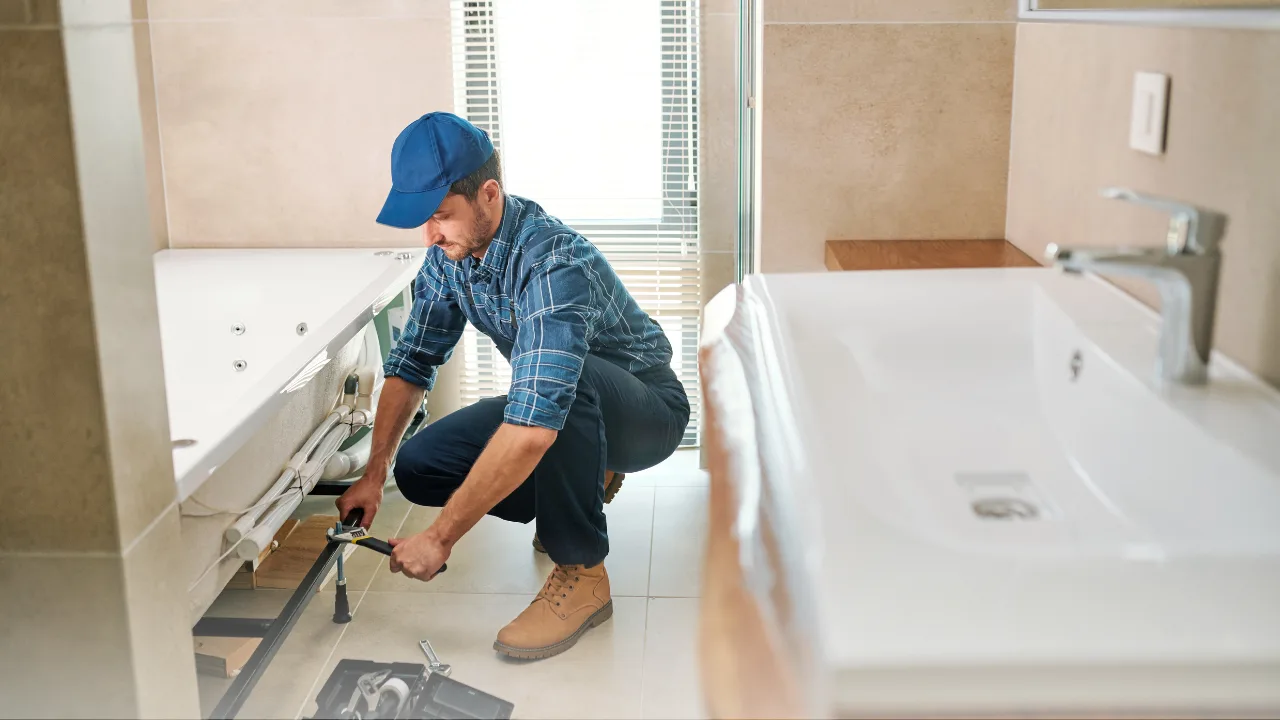
Selecting the right tradie can make or break your project. Start with these steps:
- Verify VBA registration and check insurance coverage.
- Review past work, ideally through portfolios or Houzz.
- Ask for references from Melbourne clients.
- Confirm warranties, such as the 6-year waterproofing guarantee.
Avoid contractors who ask for large upfront payments or provide vague quotes. In Victoria, deposits for projects over $20,000 are capped at 5%. Gather at least three quotes and compare them carefully. Local expertise matters—contractors familiar with Melbourne’s soil conditions, heritage rules, and building codes help prevent costly mistakes.
What should be included in a bathroom renovation quote?
A solid quote should list all major items:
- Demolition and waste removal: $1,000–$3,000
- Plumbing: $2,000–$5,000
- Waterproofing: $1,500–$3,000
- Tiling: $3,000–$8,000
- Fixtures: $2,000–$10,000
- Electrical: $1,000–$2,500
- Labour: 30–40% of total cost
Watch for exclusions such as asbestos removal, structural repairs, or repainting adjacent walls. Compare unit rates and inclusions, and expect mid-range full quotes around $25,000–$30,000 in Melbourne.
Do I really need a bathtub, or is a shower enough?
For families, especially in suburbs like Bentleigh, a bathtub is often essential. Real estate agents note many buyers expect at least one bath in family homes. Skipping it could lower resale appeal by 5–10%.
In apartments or trendy suburbs like Richmond, walk-in showers are increasingly popular. They create a modern look and save space. Compromises include shower-bath combos or compact freestanding tubs. For water-conscious Melburnians, showers are more efficient, but baths add a touch of luxury.
Smart Tip
Planning a bath upgrade? Discover expert tips, cost ranges, and layout ideas tailored for Melbourne homes.
See Bathtub Remodel GuideWhat are common bathroom renovation mistakes to avoid?
Homeowners in Melbourne often regret these missteps:
- Skipping waterproofing compliance (AS 3740) and facing leaks later
- Poor ventilation that leads to mold
- Choosing wrong tile sizes that crack on uneven floors
- Underestimating plumbing costs for rerouting pipes
- Cutting storage or mismatching styles
Plan carefully, invest in proper waterproofing and ventilation, and avoid rushing timelines. A professional contractor with a clear plan helps prevent costly fixes down the track.
Quick Insight
Avoid budget blowouts and design regrets. Learn the 7 costly mistakes Melbourne homeowners make during bathroom renovations.
Avoid Costly MistakesHow does waterproofing and tiling work in a renovation?
Waterproofing is a must under Australian Standard AS 3740. It involves applying membranes to floors and walls, extending 150mm up walls and 100mm beyond shower areas. In enclosed showers, waterproofing must reach 1800mm high.
After waterproofing, tiles are laid with climate-suitable adhesives. Porcelain tiles are durable and popular in Melbourne. For older homes with timber frames, vapor barriers may also be needed. Always request a compliance certificate from your waterproofing contractor.
How do materials and finishes impact cost and maintenance?
Material choice shapes both budget and upkeep.
- Ceramic tiles: $20–$50/m², affordable but prone to chips.
- Porcelain tiles: $40–$80/m², durable and moisture resistant.
- Natural stone: $100+/m², luxurious but requires sealing against water stains.
Matte finishes reduce slip risks, while large-format tiles mean fewer grout lines and easier cleaning. Current Melbourne trends favour slimline fixtures, recycled glass, and eco-friendly finishes.
What happens if hidden problems are discovered?
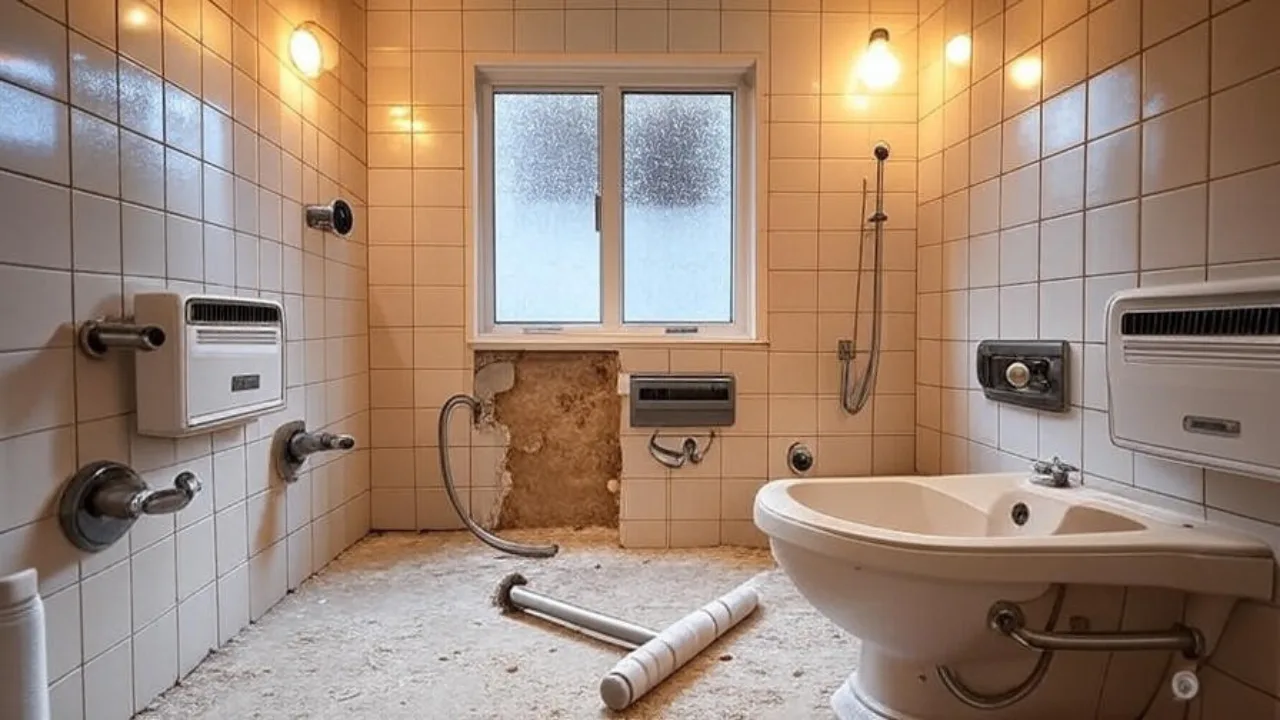
Older Melbourne homes often conceal surprises such as rotten timber, mold, outdated pipes, or asbestos. These issues can add thousands to your budget.
To prepare, include a 10–20% contingency. A case study from a Victorian terrace showed leaky pipes added $3,000, but early inspection helped manage costs. Pre-renovation surveys, priced between $500–$1,000, are a smart investment.
What is the typical payment schedule for bathroom renovations?
Victorian law caps deposits at 5% for contracts over $20,000. Typical schedules include:
- 5–10% deposit
- 25% after demolition and waterproofing
- 25% after tiling
- Balance on completion
Homeowners often hold 5–10% until all defects are fixed. Avoid contractors who demand large upfront sums.
Conclusion
Bathroom renovations in Melbourne are a big investment, but they can transform your home’s comfort and value. Costs usually range from $15,000 to $35,000, timelines stretch from 3 to 6 weeks, and permits depend on the scope. With the right layout, contractor, and materials, you can avoid mistakes and enjoy a durable, stylish bathroom for years to come.
If you’re ready to start, consult a trusted local team like Skilled Tradies Melbourne for expert advice and a detailed quote tailored to your home.