Category: Home Renovation Tips

  • Bathroom Renovation Laws in Victoria: What Every Melbourne Homeowner Must Know Before Starting

    Bathroom Renovation Laws in Victoria: What Every Melbourne Homeowner Must Know Before Starting

    It started as a simple bathroom upgrade in a suburban Melbourne home. The owner wanted new tiles, a walk-in shower, and modern lighting. What they didn’t know was that changing the layout and moving plumbing fixtures required a building permit. Months later, a routine inspection exposed the unapproved work, and they faced over $20,000 in rectification costs and fines.

    Stories like this are more common than most realise. In Victoria, bathroom renovations are tightly regulated under the Building Act 1993 and Building Regulations 2018. Knowing the laws before you start can save time, money, and legal trouble.  Professional renovation services like Skilled Tradies Melbourne ensure every step complies with Victoria’s building standards from day one.

    Fast Facts

    • Permits: Most bathroom renovations in Victoria require a building permit unless exempted.
    • Licensed Trades: Only registered builders, plumbers, and electricians can legally perform the work.
    • Standards: Waterproofing must comply with AS 3740 and NCC ventilation rules.
    • Insurance: Domestic Building Insurance (DBI) is mandatory for projects over $16,000.
    • Penalties: Fines for unlicensed or unpermitted work can exceed $80,000.

    When You Need a Permit for Bathroom Renovations

    Section 16 of the Building Act 1993 makes it clear: a building permit is required for most bathroom works, unless exempted. Minor repairs like replacing taps, mirrors, or re-grouting tiles usually don’t need one. But once you change structure, layout, or plumbing, you move into permit territory.

    Building permit required for:

    • Removing or altering walls
    • Changing plumbing or electrical fixtures
    • Reconfiguring layout or increasing floor area
    • Full gut or waterproofing modifications

    Planning permit required if your home has a heritage overlay or if changes affect external appearance (under Section 24).

    For apartments, the Owners Corporations Act 2006 requires approval for works that affect common property, such as shared plumbing or waterproofing systems.

    Who Can Legally Work on Your Bathroom

    DIY might save money short-term, but it’s illegal for most bathroom work in Victoria. Each task requires licensed professionals:

    • Builder: Must be registered with the Victorian Building Authority (VBA) for domestic work over $10,000.
    • Plumber: Must hold a VBA plumbing licence and issue a compliance certificate within 5 days of completion.
    • Electrician: Licensed through Energy Safe Victoria and required to issue a Certificate of Electrical Safety.
    • Waterproofer: Must comply with AS 3740:2021 and preferably provide a written compliance statement.

    Unlicensed work is an offence under Section 169 of the Building Act. The VBA reports that in 2023–24, over 300 builders were penalised for illegal contracting or failing to obtain permits.

    Key Technical Standards You Must Follow

    Your bathroom must meet the standards set by the National Construction Code (NCC) and Australian Standards. The most important are:

    Waterproofing

    • Comply with AS 3740:2021 (Waterproofing of domestic wet areas).
    • Shower floors must be waterproof to 1500mm radius from the shower rose and walls to 1800mm height.
    • Falls must range between 1:80 to 1:50 toward the waste.
    • Membranes and sealants must be compatible and flood tested before tiling.

    Plumbing

    • AS/NZS 3500 (Plumbing and Drainage) applies to all bathrooms.
    • Hot water must include tempering valves to prevent scalding.
    • Backflow prevention is required for floor wastes and basins.

    Electrical

    • All bathroom circuits require Residual Current Devices (RCDs).
    • Fittings must meet IP ratings based on proximity to water.
    • A Certificate of Electrical Safety must be issued after completion.

    Ventilation

    • Bathrooms without windows need mechanical exhaust ventilation under NCC H4P5.
    • Fans must vent outside the building, not into ceiling cavities.

    Insurance, Warranties, and Your Legal Protections

    Every building contract in Victoria automatically carries implied warranties under the Domestic Building Contracts Act 1995. These cover good workmanship, materials, and fitness for purpose for 6 years (structural) and 2 years (non-structural).

    • Domestic Building Insurance (DBI): Mandatory for projects over $16,000. Protects homeowners if a builder dies, becomes insolvent, or disappears.
    • Cooling-off period: 5 business days for major domestic contracts.
    • Work under $10,000: Requires basic written agreements but no DBI.

    Failure to secure proper insurance can void claims, even for defects covered by law.

    Hidden Compliance Costs and Timelines

    Renovation costs often rise because of overlooked permit and inspection fees. Average compliance expenses in Melbourne include:

    ItemTypical Cost (AUD)
    Building Permit Fee$300–$1,000 (plus levy)
    Surveyor Fees$1,000–$3,000
    Plumbing/Electrical Certificates$50–$200 each
    Inspections (per stage)$200–$500

    Approvals typically take 4–8 weeks. Once approved, work must start within 12 months and finish within 24 months unless extended by the Building Appeals Board.

    Also Read

    Explore Melbourne’s most Googled bathroom renovation questions and get quick answers from experts.

    Common Illegal Practices and Their Penalties

    Homeowners often fall into traps like hiring unregistered builders or skipping permits. VBA enforcement data from 2023–24 shows:

    • Unregistered contracting fines: up to $82,610
    • No building permit: up to $165,220
    • Unlicensed plumbing or electrical work: up to $20,000
    • Cash jobs avoiding DBI: fines over $16,500 and disqualification

    These penalties also appear in public disciplinary registers, which can affect property resale and insurance validity.

    Dispute Pathways if Things Go Wrong

    If you have a dispute with your builder, you can file a complaint with the VBA or start conciliation through Domestic Building Dispute Resolution Victoria (DBDRV). If unresolved, you can escalate to VCAT for a binding order.

    Typical process:

    1. Complaint → VBA investigation or DBDRV mediation (4–6 weeks)
    2. If unresolved → VCAT hearing (3–6 months)
    3. Possible outcomes → rectification, compensation, or cancellation of licence

    Keep all documents: contracts, photos, certificates, and inspection reports. They form your evidence if a dispute escalates.

    Special Rules for Apartments and Heritage Homes

    Apartment owners must follow owners corporation by-laws before beginning renovations. Common conditions include acoustic insulation, waterproofing standards, and restrictions on drilling into slabs or shared walls. Heritage-listed homes require council or Heritage Victoria approval if any structural work affects protected areas or visible facades.

    In older homes, builders must check for asbestos and upgrade plumbing and electrical systems to current NCC standards before reinstallation.

    Energy Efficiency and Accessibility Requirements

    Victoria mandates that all new bathroom fixtures meet the national Water Efficiency Labelling and Standards (WELS) scheme, minimum 3-star rating for taps, showers, and toilets.

    The NCC also includes moisture and ventilation requirements to prevent mould. From 2026, the Livable Housing Design Standard will require at least one accessible bathroom in new homes, with step-free entry and wall reinforcement for grab bars.

    Your Step-by-Step Compliance Checklist

    1. Check if your project needs a building or planning permit.
    2. Hire registered builders and licensed tradies only.
    3. Prepare and submit plans to a building surveyor for approval.
    4. Start work after receiving the permit and display it on site.
    5. Ensure waterproofing, plumbing, and electrical works meet required standards.
    6. Schedule mandatory inspections at key stages.
    7. Collect and store compliance certificates and warranties.
    8. If disputes arise, contact VBA or DBDRV with evidence.

    Related Insight

    Learn how to renovate your bathroom during Melbourne’s winter while avoiding delays and moisture issues.

    The Smart Way to Renovate

    Following bathroom renovation laws in Victoria isn’t about red tape; it’s about protection. The right permits, professionals, and certificates keep your investment safe, your warranty valid, and your family secure. As countless Melbourne homeowners have learned, the best renovation is not the fastest or cheapest one, it’s the one done right from the start.
  • Retiling vs. Resurfacing: Which Saves More in Melbourne Bathrooms?

    Retiling vs. Resurfacing: Which Saves More in Melbourne Bathrooms?

    In 2023, a Melbourne family decided to give their tired bathroom a new look. The tiles were still intact but dated. Their options seemed simple: spend thousands on retiling or pay far less to resurface. They chose resurfacing for $2,500. Within two years, the glossy coating peeled at the edges, exposing mold underneath. Repairs cost another $3,000. Their “cheap” decision became a costly lesson.

    This story is not rare. Melbourne homeowners are often torn between retiling and resurfacing, both promising savings but with very different results. Which option truly saves more in Melbourne’s unique housing market? Let’s break it down with facts, stories, and hard data.

    Fast Facts

    • Resurfacing: Costs $1,500–$4,000, quick 1–2 day turnaround, but risks peeling in 2–4 years.
    • Retiling: Costs $3,000–$12,000, takes 7–10 days, but lasts 20–30 years with proper waterproofing.
    • Resale Value: Retiling adds 5–10% uplift, while resurfacing only 2–3% if flawless.
    • Regulations: AS 3740:2021 waterproofing standards apply; VBA rejects 15% of resurfacing permits.
    • Best Choice: Resurfacing suits short-term budgets, retiling suits long-term durability and value.

    Why Bathroom Renovation Choices Stress Melbourne Families

    Bathroom renovations are among the most expensive projects for homeowners. The Housing Industry Association (HIA) places the average renovation at $26,000 in Australia. In Melbourne, costs run even higher due to stricter building codes, labour shortages, and material price spikes.

    Homeowners worry about:

    • Blowing the budget on demolition, waterproofing, and tiling.
    • Losing access to their only bathroom for weeks.
    • Tradies cutting corners that lead to leaks and future disputes.
    • Whether a quick fix like resurfacing will hurt their resale value.

    The Unexpected Truth: Cheap Now Can Cost More Later

    At first glance, resurfacing seems the clear winner. It costs 40–60% less than retiling and takes just 1–2 days, compared to up to 10 days for full retiling. The bathroom looks brand new almost instantly.

    But here’s the catch: in Melbourne’s climate of humid winters and hot summers, resurfaced bathrooms often fail earlier than promised. Studies and consumer reviews show that 20–30% of resurfaced bathrooms peel or crack within 2–4 years, leading to repair bills that erase the original savings.

    Retiling costs more upfront, but when done to AS 3740:2021 waterproofing standards, it can last 20–30 years with only minor grout maintenance. For long-term value and fewer headaches, retiling often outperforms resurfacing.

    Retiling in Melbourne: Durable but Disruptive

    What’s involved?

    • Demolishing old tiles and preparing the substrate.
    • Applying new waterproofing membranes as required by law.
    • Installing fresh tiles, grouting, and sealing.

    Costs: $3,000–$12,000+, depending on size, tile selection, and complexity.
    Time: 7–10 days, often leaving families without a usable bathroom.

    Pros:

    • Long lifespan (20+ years).
    • Strong impact on resale value (+5–10% property uplift).
    • Fully compliant with Victorian waterproofing regulations.

    Cons:

    • Higher upfront cost.
    • Noise, dust, and demolition waste.
    • Requires careful project management to avoid delays.

    Tradies admit retiling involves more work and lower margins, but it delivers reliability.

    Resurfacing in Melbourne: Fast Fix, Hidden Risks

    What’s involved?

    • Cleaning and sanding existing tiles.
    • Applying epoxy or urethane coatings over surfaces, baths, or vanities.
    • Sealing edges and joins.

    Costs: $1,500–$4,000 for a standard bathroom.
    Time: 1–2 days with minimal disruption.

    Pros:

    • Affordable upfront.
    • Quicker turnaround with less mess.
    • Ideal for short-term fixes or rental properties.

    Cons:

    • Prone to peeling and cracking within 2–4 years in 20–30% of cases.
    • Higher risk of water ingress through micro-cracks.
    • Limited impact on resale (+2–3% uplift at best).
    • Warranties often voided if coatings fail, leaving homeowners to pay.

    Resurfacing is attractive for landlords or homeowners preparing to sell quickly, but risky for families who plan to stay long term.

    Want More Bathroom Insights?

    Discover the answers to the most Googled bathroom renovation questions in Melbourne and make smarter choices.

    Read the Full Guide

    The Melbourne Factor: Climate and Regulation Matter

    Melbourne’s variable climate, 10°C winters to 35°C summers, stresses bathroom coatings. Expansion and contraction from temperature swings accelerate adhesion failures. Regulators are aware: the Victorian Building Authority (VBA) rejects 15% of resurfacing permits when substrates lack proper membranes or when particleboard is used.

    By law, AS 3740:2021 requires full-floor waterproofing in showers and walls sealed up to 1800mm. Non-compliant resurfacing can trigger $10,000 fines, insurance disputes, and 10-year defect liabilities under the Domestic Building Act.

    Cost Comparison: Retiling vs. Resurfacing in Melbourne

    FactorResurfacingRetiling
    Upfront cost$1,500–$4,000$3,000–$12,000
    Time / downtime1–2 days7–10 days
    Lifespan5–15 years (but failures in 2–4 years common)20–30 years
    Maintenance$500–$1,000 every few years (repairs)$200–$500 per decade (grout)
    Risk of leaksHigh (3x more insurance claims)Low with proper waterproofing
    Resale value uplift+2–3%+5–10%
    Warranty disputes30% of resurfacing claims rejected10% of retiling claims

    What Melbourne Homeowners Are Searching For

    How much does resurfacing cost?
    About $150–500 per m² or $1,500–$4,000 for a bathroom.

    Does resurfacing last as long as retiling?
    No. Retiling lasts 20–30 years; resurfacing can fail in as little as 2–4 years.

    Do I need a permit to retile in Victoria?
    No permit if it is like-for-like replacement, but waterproofing must still comply with AS 3740:2021.

    Is resurfacing good for selling a house?
    Yes, if flawless. But any sign of peeling lowers buyer confidence. Retiling gives stronger returns.

    Which Option Saves More in Melbourne?

    The answer depends on your goals.

    • Short-term: Resurfacing saves money and time if you need a quick cosmetic lift for under $4,000. Perfect for rentals or homes going on the market soon.
    • Long-term: Retiling saves more over decades by reducing rework, avoiding water damage, and boosting property value.

    Real estate agents confirm that buyers view resurfaced bathrooms as “band-aid fixes,” while tiled bathrooms command higher resale premiums.

    Expert Tips for Melbourne Homeowners

    1. Check tile stability: Never resurface over loose tiles.
    2. Ask for waterproofing certificates: Especially when retiling.
    3. Get multiple quotes: Compare resurfacing and retiling prices side by side.
    4. Read warranties carefully: Many resurfacing warranties exclude peeling. For disputes or warranty claims, homeowners can contact Consumer Affairs Victoria for guidance.
    5. Consider your timeline: Selling soon? Resurface. Staying long-term? Retile.

    Plan a Winter Renovation with Confidence

    Learn how to successfully renovate your bathroom during Melbourne’s colder months and avoid common pitfalls.

    Read Winter Renovation Guide

    The Final Word: Choose Wisely, Save Smart

    The Melbourne family in our opening story learned the hard way that a quick fix can lead to bigger bills. While resurfacing offers immediate savings, hidden risks like peeling and leaks often erase those gains. Retiling costs more upfront but pays back in durability, compliance, and resale value.

    For homeowners in Melbourne, the smartest choice depends on your goals. If you want a short-term cosmetic upgrade, resurfacing may be enough. If you’re investing in your forever home or aiming to add real value before selling, retiling is the stronger path.

    That’s where having the right team matters. Skilled Tradies Melbourne specialises in both resurfacing and full bathroom renovations. Their licensed tradies understand local regulations, waterproofing standards, and the true cost trade-offs. With expert advice and transparent quotes, they help you make a decision that fits your budget today and protects your home tomorrow.

  • The Most Googled Bathroom Renovation Questions in Melbourne, Answered

    The Most Googled Bathroom Renovation Questions in Melbourne, Answered

    Are you a Melbourne homeowner thinking about a bathroom remodel? Whether you live in a Victorian terrace in Fitzroy, a sleek apartment in South Yarra, or an older family home in the suburbs, bathroom renovations are a hot topic. They improve comfort, boost property value, and adapt homes to Melbourne’s changing climate with its mix of humidity and cold winters.

    This guide answers the most Googled bathroom renovation questions from Melburnians. You’ll find clear details on cost, timelines, permits, layouts, contractors, and more, everything you need to plan your next project with confidence.

    Fast Facts

    • Cost Range: Bathroom renovations in Melbourne average $15,000–$35,000 depending on size and finishes.
    • Timeline: Standard projects take 4–6 weeks, with cosmetic updates finishing in 2–3 weeks.
    • Permits: Required for plumbing, electrical, or structural changes; not needed for cosmetic updates.
    • Layout Tips: Compact wet rooms or linear layouts maximise small Melbourne spaces.
    • Contingency: Budget 10–20% extra for hidden issues like old plumbing or water damage.

    How much does a bathroom renovation cost in Melbourne?

    Costs in Melbourne vary widely depending on the size of your bathroom and the finishes you choose.

    • Basic updates: $10,000–$15,000 for small ensuites with new tiles and fixtures.
    • Mid-range renovations: $18,000–$35,000 for better materials, some layout changes, and custom tiling.
    • Luxury projects: $35,000 and above, with large spaces, stone finishes, or extras like heated floors.

    On a square metre basis, costs often fall between $2,300 and $4,600. Key drivers include plumbing changes, demolition, waterproofing, and premium fixtures. A case study from Melbourne’s northern suburbs put a mid-range bathroom at about $25,000, including custom tiling and a vanity.

    To save, source from local suppliers like Beaumont Tiles or opt for Victorian-made fittings. Because Melbourne has seen labour costs rise by 10–15% after recent shortages, it’s smart to budget a 10–20% contingency. Older homes may also hide outdated plumbing, so be ready for surprises.

    How long does a bathroom renovation take in Melbourne?

    Timelines depend on scope. A cosmetic makeover may take just 2–3 weeks. A full rebuild for an average family bathroom usually runs 4–6 weeks. Complex luxury jobs or those in heritage homes can take up to 12 weeks.

    Typical breakdown for a standard ensuite:

    • Demolition: 1–2 days
    • Rough-in plumbing and electrical: 1 week
    • Waterproofing and tiling: 1–2 weeks
    • Fixtures and finishing: 1 week

    Delays often come from council permits, supply issues, and wet weather slowing drying times or waste removal. Apartment projects may also face body corporate approvals that add 1–2 weeks. Many Melbourne homeowners find all-in-one contractors help reduce downtime by managing trades efficiently.

    Do I need council approval or permits for bathroom renovations?

    Not every renovation needs a permit, but many do. In Victoria, building permits are required if the work affects structure, plumbing, or electrical systems. Cosmetic updates like replacing vanities or tiles usually don’t need approval.

    Key triggers include:

    • Moving plumbing or drains (requires compliance with the Plumbing Code of Australia)
    • Electrical work (must be certified by a licensed electrician)
    • Heritage overlays (require planning permits to preserve character)

    Permit costs can range from $500 to $2,000. Processing often takes 2–8 weeks, so factor that into your timeline. Always check with your local council and engage a registered surveyor. Skipping permits can lead to fines up to $10,000.

    Quick Insight

    Want more on renovation costs and timelines?

    Read the Timeline Guide

    What is the best bathroom layout for my space?

    Melbourne homes vary, so layouts must fit the footprint.

    • Victorian terraces: Compact wet room designs or corner showers with floating vanities maximize space.
    • Apartments: Linear layouts along one wall save room in narrow bathrooms.
    • Family homes: A three-zone layout with separate wet area, vanity, and toilet offers privacy.

    Avoid layouts where doors block fixtures or plumbing needs rerouting. Smart solutions include pocket doors, wall-hung toilets, and mirrored cabinets. Because of Melbourne’s humid climate, always ensure strong ventilation with a quality exhaust fan.

    How do I choose the right bathroom renovation contractor in Melbourne?

    Selecting the right tradie can make or break your project. Start with these steps:

    • Verify VBA registration and check insurance coverage.
    • Review past work, ideally through portfolios or Houzz.
    • Ask for references from Melbourne clients.
    • Confirm warranties, such as the 6-year waterproofing guarantee.

    Avoid contractors who ask for large upfront payments or provide vague quotes. In Victoria, deposits for projects over $20,000 are capped at 5%. Gather at least three quotes and compare them carefully. Local expertise matters—contractors familiar with Melbourne’s soil conditions, heritage rules, and building codes help prevent costly mistakes.

    What should be included in a bathroom renovation quote?

    A solid quote should list all major items:

    • Demolition and waste removal: $1,000–$3,000
    • Plumbing: $2,000–$5,000
    • Waterproofing: $1,500–$3,000
    • Tiling: $3,000–$8,000
    • Fixtures: $2,000–$10,000
    • Electrical: $1,000–$2,500
    • Labour: 30–40% of total cost

    Watch for exclusions such as asbestos removal, structural repairs, or repainting adjacent walls. Compare unit rates and inclusions, and expect mid-range full quotes around $25,000–$30,000 in Melbourne.

    Do I really need a bathtub, or is a shower enough?

    For families, especially in suburbs like Bentleigh, a bathtub is often essential. Real estate agents note many buyers expect at least one bath in family homes. Skipping it could lower resale appeal by 5–10%.

    In apartments or trendy suburbs like Richmond, walk-in showers are increasingly popular. They create a modern look and save space. Compromises include shower-bath combos or compact freestanding tubs. For water-conscious Melburnians, showers are more efficient, but baths add a touch of luxury.

    Smart Tip

    Planning a bath upgrade? Discover expert tips, cost ranges, and layout ideas tailored for Melbourne homes.

    See Bathtub Remodel Guide

    What are common bathroom renovation mistakes to avoid?

    Homeowners in Melbourne often regret these missteps:

    • Skipping waterproofing compliance (AS 3740) and facing leaks later
    • Poor ventilation that leads to mold
    • Choosing wrong tile sizes that crack on uneven floors
    • Underestimating plumbing costs for rerouting pipes
    • Cutting storage or mismatching styles

    Plan carefully, invest in proper waterproofing and ventilation, and avoid rushing timelines. A professional contractor with a clear plan helps prevent costly fixes down the track.

    Quick Insight

    Avoid budget blowouts and design regrets. Learn the 7 costly mistakes Melbourne homeowners make during bathroom renovations.

    Avoid Costly Mistakes

    How does waterproofing and tiling work in a renovation?

    Waterproofing is a must under Australian Standard AS 3740. It involves applying membranes to floors and walls, extending 150mm up walls and 100mm beyond shower areas. In enclosed showers, waterproofing must reach 1800mm high.

    After waterproofing, tiles are laid with climate-suitable adhesives. Porcelain tiles are durable and popular in Melbourne. For older homes with timber frames, vapor barriers may also be needed. Always request a compliance certificate from your waterproofing contractor.

    How do materials and finishes impact cost and maintenance?

    Material choice shapes both budget and upkeep.

    • Ceramic tiles: $20–$50/m², affordable but prone to chips.
    • Porcelain tiles: $40–$80/m², durable and moisture resistant.
    • Natural stone: $100+/m², luxurious but requires sealing against water stains.

    Matte finishes reduce slip risks, while large-format tiles mean fewer grout lines and easier cleaning. Current Melbourne trends favour slimline fixtures, recycled glass, and eco-friendly finishes.

    What happens if hidden problems are discovered?

    Older Melbourne homes often conceal surprises such as rotten timber, mold, outdated pipes, or asbestos. These issues can add thousands to your budget.

    To prepare, include a 10–20% contingency. A case study from a Victorian terrace showed leaky pipes added $3,000, but early inspection helped manage costs. Pre-renovation surveys, priced between $500–$1,000, are a smart investment.

    What is the typical payment schedule for bathroom renovations?

    Victorian law caps deposits at 5% for contracts over $20,000. Typical schedules include:

    • 5–10% deposit
    • 25% after demolition and waterproofing
    • 25% after tiling
    • Balance on completion

    Homeowners often hold 5–10% until all defects are fixed. Avoid contractors who demand large upfront sums.

    Conclusion

    Bathroom renovations in Melbourne are a big investment, but they can transform your home’s comfort and value. Costs usually range from $15,000 to $35,000, timelines stretch from 3 to 6 weeks, and permits depend on the scope. With the right layout, contractor, and materials, you can avoid mistakes and enjoy a durable, stylish bathroom for years to come.

    If you’re ready to start, consult a trusted local team like Skilled Tradies Melbourne for expert advice and a detailed quote tailored to your home.

  • How to Renovate Your Bathroom in Winter (And Save Money Doing It)

    How to Renovate Your Bathroom in Winter (And Save Money Doing It)

    Renovating a bathroom in Melbourne winter might sound like a nightmare. Cold air, damp conditions, and long nights make most homeowners hesitate. Yet, if planned well, winter can actually be the smartest season to upgrade your bathroom, and it could save you money.

    This guide explains the hidden pitfalls, real costs, and proven strategies so you can plan your winter renovation without regrets.

    Fast Facts

    • Winter Advantage: Tradies often offer lower rates due to off-peak demand.
    • Cost Range: Bathroom renovations in Melbourne average $19,500–$32,500 in winter.
    • Key Risk: Cold and damp conditions slow curing times and increase mould risks.
    • Smart Savings: Claim Victorian Energy Upgrades rebates for insulation and efficient fixtures.
    • Timeline: Expect 5–7 weeks instead of the usual 3–5 due to weather delays.

    Why Winter Renovations Worry Homeowners

    Picture this: you’ve ripped out your old bathroom, only to discover that the grout won’t dry because the air is damp and freezing. Suddenly your project runs weeks late, and your budget blows out.

    This is the reality many Melbourne families face. Winter brings unique challenges, moisture, mould risks, limited daylight, and the discomfort of living without a bathroom during the coldest months.

    But here’s the unexpected truth: winter renovations are often cheaper and easier to book, since tradies are less busy. The trick lies in knowing the pitfalls before you start.

    Top 10 Pitfalls of Winter Bathroom Renovations in Melbourne

    Based on homeowner forums, building guides, and expert insights, these are the most common mistakes made during cold-season renovations in Victoria.

    RankPitfallCost ImpactTime Impact
    1Underestimating drying delays for grout, paint, adhesives\$500–\$1,500 for heaters or rework+3–7 days
    2Ignoring moisture and mould risks\$1,000–\$3,000 remediation+1–2 weeks
    3Poor planning for shorter daylight hours\$200–\$800 for lighting fixes+2–4 days
    4Overlooking heating and insulation\$1,500–\$4,000 if retrofitted+2–5 days
    5Using materials that fail in cold/damp\$800–\$2,000 replacements+4–6 days
    6Tradie scheduling disrupted by weather\$300–\$1,000 in overtime+5–10 days
    7Hidden costs for temporary livability\$500–\$2,000 rentals+1–2 weeks
    8Permit and inspection delays\$200–\$600 holding fees+3–7 days
    9Budget blowouts from poor contingency planning\$2,000–\$6,000 on mid-range reno+1–2 weeks
    10Skipping energy-efficient upgradesLost rebates \$500–\$2,000; higher bills laterNo immediate delay

    Each of these pitfalls is avoidable with careful planning, as the next sections explain.

    Why Winter Can Actually Save You Money

    Most homeowners assume winter makes renovations harder and more expensive, but that’s not always true. In Melbourne, lower demand during colder months often means better tradie availability, supplier discounts, and stronger negotiation power. With the right timing and planning, winter can open opportunities to save thousands while still achieving a high-quality renovation.

    Despite the risks, winter holds surprising advantages:

    • Tradie availability: Winter is off-peak, so skilled workers are easier to book. Some even drop their rates to secure work.
    • Material supply: Suppliers often clear stock mid-year. Tiles, vanities, and fixtures can be 5–20% cheaper.
    • Negotiation power: With fewer projects running, you can shop around for better quotes.

    In fact, a Melbourne couple reported saving over $2,000 by renovating in July, simply because they booked tradies when others stayed away.

    Real Costs of Bathroom Renovations in Melbourne

    Understanding the true costs of a bathroom renovation is essential before diving in. In Melbourne, prices vary widely depending on the project’s size, complexity, and season. Winter introduces both hidden expenses and potential savings. Knowing the cost breakdown helps you plan realistically, avoid budget blowouts, and decide whether to take advantage of off-peak opportunities.

    Here’s what you can expect for a standard 5m² bathroom:

    • Budget cosmetic updates: \$5,000–\$15,000
    • Mid-range renovation: \$15,000–\$40,000
    • Luxury upgrade: \$40,000+
    • Waterproofing: \$500–\$750
    • Plumbing layout changes: \$2,000–\$6,000

    In winter, you may face extra expenses for heaters, dehumidifiers, or temporary bathroom setups. However, these are often offset by off-peak discounts from tradies and suppliers.

    A typical winter renovation in Melbourne costs \$19,500–\$32,500, compared to \$20,300–\$34,000 in summer. You might save \$800–\$1,500 if you plan carefully, but expect a longer timeline (5–7 weeks vs. 3–5).

    Step-by-Step Checklist for a Smooth Winter Reno

    Homeowners who succeed in winter renovations usually follow a disciplined plan. Here’s a step-by-step checklist:

    1. Assess and Plan (4–6 weeks before)
      Inspect your bathroom for leaks or drafts. Decide on upgrades like heated floors. Add 15–20% contingency to your budget.
    2. Budget and Quote Gathering (3–4 weeks before)
      Get 3–5 quotes from licensed tradies. Factor in \$500–\$1,000 for winter heating and protection. Platforms like Hipages or Service.com.au can connect you with trusted professionals.
    3. Permits and Compliance (2–3 weeks before)
      Apply for necessary permits. Note that waterproofing inspections may be delayed in wet weather. For official requirements, check the Australian Building Code.
    4. Material Selection and Ordering (1–2 weeks before)
      Choose mould-resistant grout and quick-dry adhesives. Order early to avoid winter supply delays.
    5. Site Preparation (Day 1–3)
      Demo the old bathroom. Set up heaters and ventilation. Arrange access to another bathroom or a portable unit.
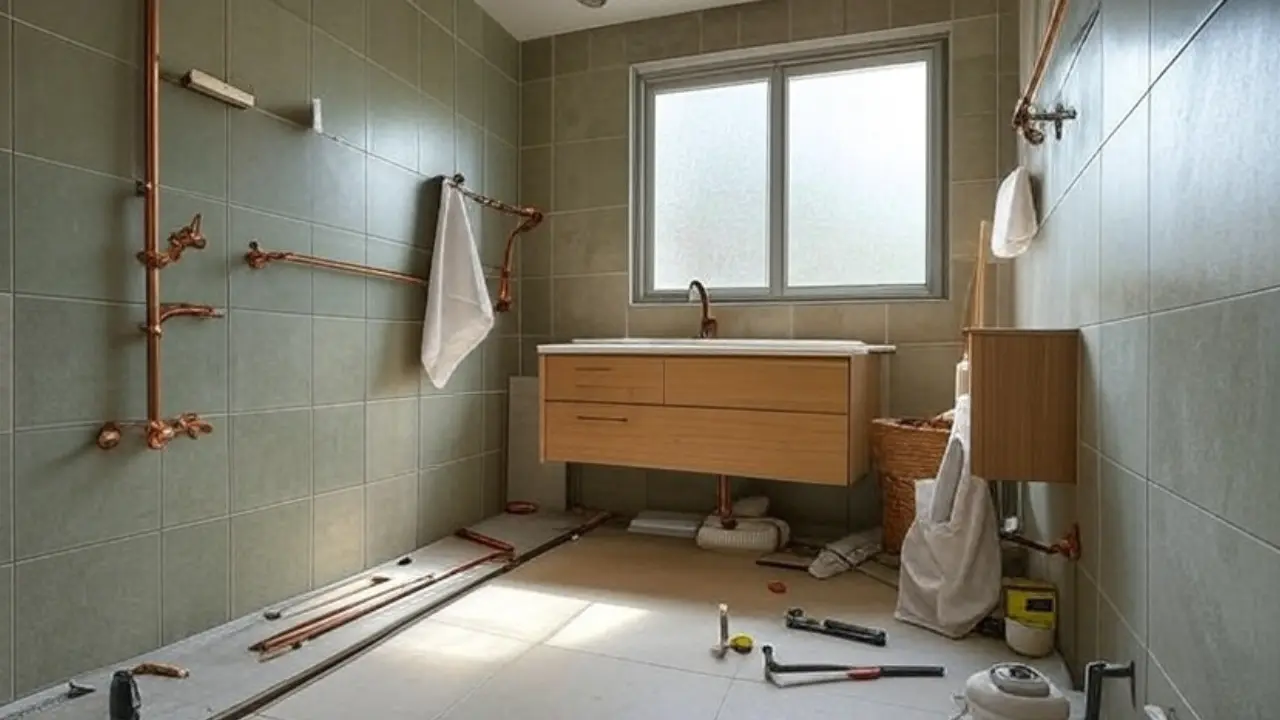
    6. Rough-In and Waterproofing (Week 1–2)
      Install plumbing and electrical. Allow membranes extra drying time in cold air.
    7. Installation Phase (Week 2–4)
      Tile and install fixtures. Use covers to shield the site from rain.
    8. Finishing and Testing (Week 4–5)
      Paint, seal, and test ventilation. Buffer 3–5 days for inspection delays.
    9. Cleanup and Livability (Final Week)
      Test heating, ventilation, and waterproofing in winter conditions.
    10. Post-Reno Review (Week After)
      Check for mould or drafts after first use. Claim energy rebates if eligible through Energy.vic.gov.au.

    Smart Ways to Save Money in Winter

    Renovating in winter can stretch your dollar further if you know where to cut costs without sacrificing quality. From negotiating off-peak tradie rates to using rebates and smart material choices, Melbourne homeowners have many options to lower expenses. The key lies in recognising which steps deliver true value and which hidden traps to avoid.

    Winter renovations in Melbourne can deliver 10–20% savings if you take the right steps:

    • Leverage off-peak timing: Book in June–August and negotiate 5–15% off labor.
    • Hunt for material discounts: Check Bunnings or Reece for clearance deals.
    • DIY small tasks: Safe jobs like painting or demolition can save \$1,000–\$3,000.
    • Avoid moving plumbing: Keeping the layout saves \$2,000–\$5,000.
    • Claim rebates: The Victorian Energy Upgrades program offers up to \$2,000 back for efficient fixtures.
    • Rent instead of buying heaters: \$50–\$100 per week keeps curing on track without large upfront cost.

    Design Choices That Make Winter Bathrooms Shine

    A bathroom built for winter should balance comfort, warmth, and practicality. Design decisions like heated flooring, mould-resistant finishes, and clever lighting make a big difference during cold months. In Melbourne’s damp climate, these upgrades are not just luxuries, they’re investments in long-term comfort, health, and durability. Small changes now can create a big impact later.

    Your design can make or break your winter renovation. Here are features Melbourne homeowners often prioritise:

    • Underfloor heating for warm feet.
    • Heated towel rails to fight dampness.
    • Ventilation fans to reduce condensation.
    • Light colours and mirrors to brighten gloomy days.
    • Mould-resistant grout and paint to protect against winter humidity.

    One Yarra Valley homeowner said their new underfloor heating made stepping out of the shower in July feel like summer again.

    Local Resources for Melbourne Homeowners

    Finding the right support can make your winter bathroom renovation smooth and stress-free. Melbourne offers a wealth of local resources, from certified tradies and reliable suppliers to rebate programs and building authorities. Tapping into these trusted networks ensures you get expert advice, cost-effective deals, and compliance with Victorian standards, helping you avoid unnecessary headaches.

    Final Thoughts

    Renovating your bathroom in a Melbourne winter may seem daunting, but with planning it can be rewarding. You’ll face unique challenges like moisture, curing delays, and cold discomfort. Yet by leveraging off-peak pricing, using the right materials, and planning for contingencies, you can create a bathroom that saves money and keeps you warm.

    Ready to start? Skilled Tradies Melbourne can help you plan, manage, and complete your winter bathroom renovation without the stress.

  • Top Questions to Ask a Tradie Before Renovating Your Bathroom in Melbourne

    Top Questions to Ask a Tradie Before Renovating Your Bathroom in Melbourne

    Renovating a bathroom sounds exciting until you are living with one toilet for weeks, your budget keeps climbing, and your tradie stops answering calls. Many Melbourne homeowners discover too late that bathroom renovations are complex projects involving strict rules, multiple trades, and plenty of hidden costs.

    The good news? Asking the right questions before you hire a tradie can save you thousands of dollars, prevent delays, and protect your home from future problems. This guide walks you through the essential questions that every homeowner in Melbourne should ask before starting a bathroom renovation.

    Why Asking Questions Matters

    A bathroom is one of the most important spaces in your home. Unlike a living room makeover, a bathroom renovation involves plumbing, waterproofing, electrical work, and compliance with strict building codes. Mistakes here are not just cosmetic. A poorly waterproofed shower can leak into walls and floors, leading to mould, rot, and costly repairs.

    The average bathroom renovation in Melbourne now costs around \$26,000. Many projects end up 20 to 30 percent higher because of poor planning or unexpected problems. Asking the right questions helps you protect your budget, your timeline, and your peace of mind.

    The Cost Question Nobody Asks Upfront

    Most people begin by asking, “How much will this cost?” but few dig into what the number actually covers. That is where problems start.

    Questions to ask:

    • What does your quote include? Does it cover demolition, waste removal, waterproofing, and permits?
    • Are fixtures and fittings part of the quote or do I buy them separately?
    • What could make this cost increase once work begins?

    In Melbourne, a cosmetic update might cost between \$8,000 and \$15,000. A full renovation with new plumbing and electrical work usually ranges from \$15,000 to \$35,000. If you are chasing a luxury spa-style bathroom, expect \$40,000 or more. Many homeowners get caught off guard when quotes exclude essentials like rubbish removal or waterproofing certificates. A couple in Brunswick recently shared that their \$15,000 quote grew to \$28,000 once demolition revealed water damage and their tradie added extra fees.

    Timeline Truths: How Long Will I Be Without a Bathroom?

    Tradies often tell homeowners a job will take “two weeks.” In reality, bathroom renovations often take a month or longer. The more complex the project, the more time it requires.

    Questions to ask:

    • What is the estimated timeline for my job?
    • What are common causes of delays in Melbourne?

    Delays happen for many reasons. Materials may arrive late, inspections may take longer, or multiple tradies may not be available on the same days. If your job requires moving plumbing lines or changing the layout, it will almost always extend the timeline. Families should plan for disruption and consider how they will manage without a working bathroom.

    Do You Have the Right Licence and Insurance?

    In Victoria, all bathroom renovation work worth more than \$5,000 must be carried out by a registered building practitioner. Plumbing must be completed by a licensed plumber. Electrical work requires a licensed electrician. Waterproofing must comply with the national standard AS 3740.

    Questions to ask:

    • Can I see your licence and registration details?
    • Do you provide compliance certificates for plumbing, electrical, and waterproofing?
    • What insurance coverage do you carry?

    A compliance certificate is more than just a piece of paper. It proves that work was done to Australian standards and protects you if problems appear later. Hiring unlicensed tradies may save money upfront, but it often leads to insurance refusals, fines, and costly repairs.

    Waterproofing Woes: The Silent Dealbreaker

    Waterproofing is one of the most overlooked yet critical parts of a bathroom renovation. Research shows that up to 80 percent of bathroom failures in Australia are linked to waterproofing problems.

    Questions to ask:

    • How do you waterproof bathrooms according to AS 3740?
    • Do you provide a waterproofing certificate?

    Proper waterproofing requires a membrane applied in specific areas. For example, shower walls must be sealed up to 1800 millimetres, and all bathroom floors must be waterproofed with the membrane turned up behind walls. If your tradie does not follow these rules, you may face leaks, mould, and even structural damage. Always ask for proof.

    Comparing Quotes and Contracts the Smart Way

    Not all quotes are equal. A cheaper quote might exclude essential work, which leaves you paying more later.

    Questions to ask:

    • What is included and excluded in this quote?
    • How do you handle variations once work starts?
    • What deposit and payment schedule do you require?

    Most Melbourne homeowners get two or three quotes before deciding. Itemised quotes are easier to compare because you can see how each tradie prices demolition, plumbing, tiling, and waterproofing. Contracts should also outline payment schedules. Avoid paying more than 10 percent upfront. Make sure variations are discussed and agreed upon in writing to avoid disputes.

    Materials, Design, and Sustainability

    Your material choices will affect both the look and the durability of your bathroom. Some homeowners save money by choosing cheap tiles or fixtures, only to regret it later when cracks appear or fittings wear out quickly.

    Questions to ask:

    • Which materials do you recommend for Melbourne’s climate and conditions?
    • Do you offer eco-friendly or water-saving options?

    In Melbourne, durable porcelain tiles, water-efficient taps, and LED lighting are popular choices. Eco-friendly fittings not only lower bills but also increase the value of your home. One homeowner in St Kilda admitted they regretted choosing bargain tiles that cracked within 18 months. Spending a little more upfront often saves money in the long run.

    How Will This Affect My Daily Life?

    Bathroom renovations are messy, noisy, and disruptive. If you only have one bathroom, this can become a serious problem.

    Questions to ask:

    • Will I need to move out, or can I stay during the renovation?
    • How do you manage dust, noise, and clean-up?

    Some tradies set up temporary solutions, such as portable showers, but not all do. Knowing what to expect allows you to plan ahead and avoid unnecessary stress.

    Conclusion

    A bathroom renovation in Melbourne can transform your home, but it can also bring stress and unexpected expenses if you go in unprepared. Asking the right tradie the right questions before you sign a contract is the single best way to protect yourself.

    From costs and permits to waterproofing and timelines, the answers you get will reveal whether your tradie is professional, reliable, and compliant with Victorian rules.

    The couple in Brunswick who blew their budget could have avoided disaster with just a few questions. Learn from their mistake: protect your investment, your family’s comfort, and your peace of mind by choosing wisely.

    If you are planning your own bathroom renovation, start with these questions and speak with trusted local experts like Skilled Tradies Melbourne, who understand the unique challenges of renovating in Victoria.

    Frequently Asked Questions

    How much does it cost to renovate a bathroom in Melbourne? Most standard renovations cost between \$15,000 and \$35,000. Luxury bathrooms may exceed \$40,000.

    Do I need a permit to renovate a bathroom in Victoria? Yes, if the work is worth more than \$5,000 or involves plumbing, electrical, or structural changes.

    How long does a bathroom renovation take in Melbourne? Simple updates may take two weeks, but most full renovations last three to four weeks or more.

    What licences should a tradie have for bathroom renovation? Registered building practitioner for work over \$5,000, licensed plumber for plumbing, and licensed electrician for electrical work.

    What is AS 3740 and why is it important? AS 3740 is the Australian standard for waterproofing in wet areas. It ensures your bathroom is protected from leaks and water damage.

  • What Happens If You Skip a Renovation Permit in Victoria? (2026 Guide for Melbourne Homeowners)

    What Happens If You Skip a Renovation Permit in Victoria? (2026 Guide for Melbourne Homeowners)

    When a homeowner in Melbourne added a new deck without checking permit requirements, they expected a simple upgrade. Instead, they faced a stop-work order, legal notices, and the risk of demolition.

    Stories like this are more common than most people think. Across Victoria, homeowners often skip building permits due to confusion, poor advice, or the belief that small projects don’t require approval.

    But in 2026, with stricter enforcement and tighter building regulations, skipping a renovation permit can lead to serious financial penalties, insurance risks, and long-term property issues.

    This guide explains what happens if you skip a permit in Victoria, including fines, detection methods, resale risks, and how to avoid costly mistakes.

    What Is a Renovation Permit, and When Do You Need One?

    A renovation permit is a legal approval required before you make structural changes to your home. In Victoria, the Building Act 1993 and Building Regulations 2018 state that permits are needed for most work that affects structure, safety, or essential services.

    Common works that need permits:

    • Adding rooms or large decks
    • Altering load-bearing walls
    • Roofing, plumbing, or electrical work
    • Building near boundaries or easements

    Some minor works, like small sheds under 10m² or fences under 1.5m, may be exempt. But these exemptions have strict conditions on size, placement, and materials. Always check with your local council or a registered building surveyor.

    What Are the Real Penalties for Skipping a Permit?

    The fines are serious. Under Section 16 of the Building Act:

    • Individuals can be fined up to 500 penalty units (approximately $96,000+ in 2026).
    • Companies can face fines up to 2,500 penalty units (about \$480,000).

    For ongoing work, daily penalties may apply. Councils also have the power to issue stop-work notices, and in serious cases, they can force you to demolish the structure.

    One homeowner in Stonnington was fined and forced to remove a garage extension after a neighbour complaint. The demolition cost over \$20,000, not including legal fees.

    Detection Is Easier Than You Think

    You might think, “How will the council even know?” But councils use tools like Nearmap, aerial imagery software, to track property changes. Most cases are triggered by neighbour complaints or during inspections for unrelated works.

    Once identified, councils may take weeks or even months to investigate. But when they do, they act with full authority. That includes fines, stop-work notices, or even legal prosecution.

    How Insurance Leaves You Unprotected

    Many homeowners are shocked to learn their insurance won’t cover damages linked to unpermitted works. If you renovate without a permit and something goes wrong, like water damage, structural failure, or fire, your insurer can legally deny your claim.

    Some homeowners on forums like r/AusRenovation report being denied tens of thousands in coverage due to unapproved changes. Others face rising premiums once insurers discover undisclosed work.

    Can You Sell a House With Unpermitted Work?

    You can try, but it will be difficult. Buyers often request evidence of compliance, especially for major changes. If you can’t provide the right documents, buyers may:

    • Demand a price drop
    • Insist on retrospective permits
    • Walk away from the sale

    Real estate agents say homes with unapproved renovations often sell for less or face weeks of delay. And if you fail to disclose unpermitted work, you could face legal action after settlement.

    Retrospective Permits: Not a Get-Out-of-Jail Card

    Some think, “I’ll just get a permit later.” But retrospective permits are hard to get. They cost more, require more inspections, and can still be refused if the work doesn’t meet safety codes.

    Costs for retrospective approvals can reach \$5,000–\$15,000, not counting possible fines or rework. And if the structure breaches planning rules or safety codes, approval might never come.

    What Renovations Are Actually Exempt?

    According to Schedule 3 of the Building Regulations 2018, you might not need a permit for:

    • Non-structural internal changes (like new cabinetry)
    • Sheds smaller than 10m² not near a boundary
    • Fences under 1.5m in height
    • Minor maintenance and repairs

    But exemptions come with hidden rules. A 9m² shed might still need a permit if it’s too close to a fence. A low fence might be exempt unless it’s in a heritage zone. These grey areas are where most homeowners get caught.

    Council websites vary in clarity. Some offer checklists or self-assessment tools, but others require reading dense documents. This lack of clarity causes many to rely on builders, who may give wrong advice.

    Why Homeowners Still Skip Permits

    Many people skip permits for three reasons:

    1. Cost – Permits and surveyors cost money.
    2. Complexity – The system is confusing.
    3. Advice – Builders often say, “You don’t need one.”

    But skipping the permit rarely saves money in the long run. One focus group showed that most homeowners who skipped permits later faced unexpected costs in fines, insurance gaps, or resale delays.

    Victoria Is Cracking Down

    Recent reforms under the Building Legislation Amendment Act 2023 and the upcoming Buyer Protections Act 2025 are tightening rules:

    • More mandatory inspections (e.g., waterproofing, pre-lining)
    • Longer defect liability periods
    • Creation of a new Building and Plumbing Commission to enforce permits and safety

    This means enforcement will be stricter, and fewer mistakes will go unnoticed. Builders and homeowners will both face increased accountability.

    Renovation Permit Rules Are Getting Stricter in Victoria (2026 Update)

    In 2026, building compliance in Victoria is becoming more strictly enforced. Government reforms and new regulatory bodies are increasing oversight on residential renovations.

    Key updates affecting Melbourne homeowners include:

    • Increased inspections at key construction stages
    • Stronger enforcement of waterproofing and structural compliance
    • Higher accountability for both builders and homeowners
    • Expanded use of digital property monitoring tools
    • Greater scrutiny during property sales and conveyancing

    These changes mean that skipping a permit is now riskier than ever, with a higher chance of detection and stricter penalties.

    Final Thoughts: One Call Could Save You \$100K

    Skipping a renovation permit might seem like a shortcut, but it can quickly turn into one of the most expensive mistakes a homeowner can make. Fines, demolition orders, insurance issues, and resale complications can cost far more than the permit itself.

    In 2026, with stricter enforcement across Victoria, ensuring compliance is not just recommended, it’s essential.

    Working with experienced professionals can help you avoid these risks from the start. That’s where Skilled Tradies Melbourne can help. Our team understands local building regulations, council requirements, and compliance processes across Melbourne.

    We guide you through every step of your renovation to ensure your project is safe, legal, and built to last.

    Contact Skilled Tradies today for expert advice and a free consultation before you start your renovation.

    Renovation Permit FAQs (Victoria)

    What happens if I renovate without a permit in Victoria?

    You may face fines of up to $96,000+, stop-work orders, or forced demolition. Insurance claims may also be denied, and your property value could be affected when selling.

    Can I sell a house with unapproved renovations in Melbourne?

    Yes, but it is more difficult. Buyers may request compliance documents, negotiate lower prices, or withdraw from the sale if approvals are missing.

    Are there renovations that don’t require a permit in Victoria?

    Yes. Minor works like small sheds under 10m², low fences, and non-structural changes may be exempt. However, strict conditions apply, so always confirm with your local council.

  • How Much Does It Cost to Demolish a Bathroom in Melbourne? (And Why Most People Get It Wrong)

    How Much Does It Cost to Demolish a Bathroom in Melbourne? (And Why Most People Get It Wrong)

    It started with a quote for just $2,000. By the time the dust settled, the bill was over $9,000. The homeowner, renovating an ensuite in Melbourne’s inner suburbs, had expected a simple strip-out. Instead, they uncovered asbestos, hidden water damage, and outdated plumbing. Their experience isn’t unique. Across Melbourne, homeowners are learning the hard way that bathroom demolition is full of hidden surprises.

    This guide explains what goes into bathroom demolition in Melbourne, what it really costs, and how to avoid costly mistakes.

    Fast Facts

    • Average cost: $1,000–$3,000 for a standard bathroom strip-out in Melbourne
    • Hidden extras: Asbestos, tile removal, and access issues can add thousands
    • Permits & rules: Required for structural and plumbing work in most suburbs
    • Older homes: More likely to hide water damage, non-compliant wiring, or mold
    • Expert tip: Get 3 itemized quotes and pre-test for asbestos before starting

    What Counts as Bathroom Demolition?

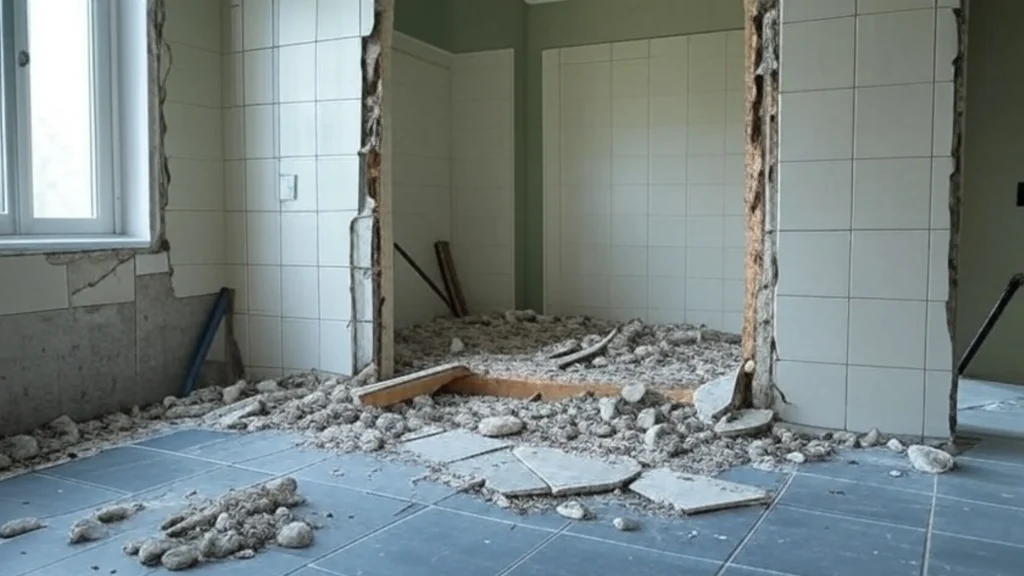
    Bathroom demolition (or strip-out) involves removing all non-structural elements of your bathroom. This includes:

    • Tiles (wall and floor)
    • Shower screens, vanities, toilets, tapware
    • Cabinets and lighting
    • Floor sheeting or screed
    • Disconnection of plumbing and electrical systems

    In a full strip-out, everything is removed down to the framing. A partial strip-out might just remove tiles and fixtures. Most ensuite demolitions take 1 to 2 days to complete.

    How Much Does Bathroom Demolition Cost in Melbourne?

    In Melbourne, the cost of an ensuite strip-out typically ranges from $1,000 to $3,000. For a small ensuite, pricing starts at $880 for basic removals. However, the final cost depends on:

    • Tile type and size
    • Access to the site (stairs, elevators, narrow lanes)
    • Whether asbestos is found
    • Complexity of plumbing/electrical disconnection

    Larger bathrooms or complex layouts can push demolition costs to $2,500 or more, while full renovations that follow range from $15,000 to $45,000.

    Hidden Costs You Might Not Expect

    Melbourne homeowners frequently report cost blowouts due to hidden fees. These often include:

    • Tile removal: $50–$150 per sqm, especially in older homes with wet-bed tile systems.
    • Skip bin hire: $300–$500 standard, up to $1,000 for heavy rubble or high-rise buildings.
    • Asbestos testing and removal: $200–$500 for testing, $1,000–$5,000+ for removal in pre-1990s homes.
    • Access issues: High-rise or tight spaces can add $500–$1,500.
    • Water or structural damage: Mold, rusted pipes, or cracked tiles may add $2,000–$6,000.

    Surprisingly, many quotes are not fully itemized, leading to 20–30% cost blowouts. Always request a quote that includes all possible extras.

    Melbourne Homeowners Share Common Pain Points

    Melbourne renovators frequently experience:

    • Unclear pricing and lack of detailed quotes
    • Contractor no-shows or delayed timelines
    • Miscommunication between trades like tilers, electricians, and plumbers
    • Permit or inspection delays, especially in heritage suburbs
    • Emotional stress, especially in single-bathroom households

    One Reddit user shared how their ensuite renovation ballooned from $8,000 to $27,000 due to asbestos and plumbing issues. Others on Houzz described surprise water damage, tile rot, or worse, unsafe asbestos handling that triggered health scares.

    Demolishing Bathrooms in Older Homes Is Tricky

    Pre-1990 Melbourne homes present extra challenges:

    • Wet-bed tiles are harder to remove and more costly
    • Lath-and-plaster walls risk damage during demo
    • Galvanized pipes often need full replacement
    • Electricals are frequently non-compliant
    • Heritage overlays cause 2–6 week delays and add $500–$2,000 in fees

    These issues often remain hidden until demolition begins.

    Permits, Rules, and Red Tape

    In Victoria, homeowners need:

    • Permits for any structural or plumbing/electrical changes (Consumer Affairs Victoria)
    • Domestic building insurance for projects over $16,000
    • Licensed trades for plumbing, waterproofing, and electrical work

    Most councils require 2–6 weeks for permit approval. If your home falls under a heritage overlay (e.g., Carlton, Fitzroy), expect longer waits and additional documentation.

    Surprisingly, many homeowners are unaware that asbestos testing is mandatory in older homes. Failure to comply can result in serious fines.

    Why So Many Quotes Go Wrong

    Many people accept lump-sum quotes without checking the details. Reliable contractors provide:

    • Full breakdown of labor, materials, and waste costs
    • Contingency allowances (10–15%)
    • Clear scope (what’s included and excluded)

    Unreliable providers often:

    • Skip site inspections
    • Leave out waste or asbestos costs
    • Add fees later for “unexpected” delays

    Make sure to get at least three itemized quotes and verify that all trades are properly licensed.

    Who Gets Hit Hardest by Cost Blowouts?

    While anyone can face renovation stress, certain groups are especially vulnerable:

    • Elderly homeowners face safety risks and disruption to daily life
    • Low-income families may struggle to afford blowouts or find alternative bathrooms
    • Renters may face increased rent or eviction post-renovation

    One Uniting Vic.Tas case showed that older women in rentals faced homelessness after renovators priced them out.

    Advocates like Tenants Victoria and Mercy Foundation are calling for government support, tenant protections, and renovation subsidies.

    Smart Ways to Cut Costs Without Cutting Corners

    • Retain your current layout: Avoid moving plumbing lines
    • Overlay new wall panels: Instead of removing old tiles, saving $2,000–$5,000
    • Use licensed professionals only: To avoid compliance issues or rework
    • Get written quotes with exclusions and contingency margins
    • Pre-test for asbestos and moisture damage before hiring

    What You Need to Know

    • Bathroom demolition costs in Melbourne average $1,000–$3,000
    • Costs jump due to asbestos, tile removal, and layout changes
    • Permit delays and regulatory compliance add time and money
    • Older homes and heritage overlays make the job riskier and pricier
    • Always get itemized quotes, confirm licensing, and add a 15% buffer

    Final Tip: Start With a Trusted Local Expert

    Bathroom demolition is more than pulling out tiles. It involves permits, trades, safety, and serious planning. If you are renovating an ensuite in Melbourne, it pays to start with a reliable, transparent team.

    Skilled Tradies Melbourne offers licensed bathroom strip-out services with full cost breakdowns and expert guidance. They have helped hundreds of Melbourne homeowners get their projects started the right way, on time and on budget.

  • How Much Does It Cost to Renovate an Ensuite in Melbourne?

    How Much Does It Cost to Renovate an Ensuite in Melbourne?

    When Sarah from Coburg set out to renovate her small ensuite, she imagined a quick, budget-friendly makeover. What began as a $15,000 plan ballooned into $27,000 after structural surprises, waterproofing issues, and unexpected tile delays. Her story is far from unique.

    In Melbourne, ensuite renovations can cost anywhere between $15,000 and $45,000. While smaller than full bathrooms, ensuites often pack in just as many features, sometimes more. Their compact size demands precision work, and premium finishes in tight spaces quickly raise the price per square metre.

    Fast Facts

    • Typical Cost: Ensuite renovations in Melbourne range from $15,000 to $45,000.
    • Timeline: Most projects take 3–5 weeks, with delays possible due to waterproofing or materials.
    • Permits: Required for structural, plumbing, or electrical changes, check with your local council.
    • Value Boost: A well-planned ensuite reno can return up to 70% of its cost upon resale.
    • Top Tip: Always budget an extra 10–15% to cover surprises like mold or plumbing issues.

    The Full Cost Breakdown: Where the Money Goes

    Every renovation project is different, but most costs fall into the same major categories. Here’s a realistic estimate based on Melbourne-based pricing:

    ComponentTypical Cost Range
    Planning and Design$1,000 – $5,000
    Demolition$1,000 – $3,000
    Plumbing$2,000 – $5,000
    Electrical$1,000 – $3,000
    Waterproofing$1,500 – $3,500
    Tiling$30 – $130 per sqm
    Cabinetry$1,000 – $5,000
    Fixtures and Fittings$2,000 – $10,000
    Cleanup and Waste$500 – $1,500

    Hidden Costs That Catch People Off Guard

    Many homeowners budget for tiles and tapware, but forget the risks hiding behind their walls. Structural problems, mold, and even asbestos are common in older homes. One Melbourne family had to pause their renovation when their waterproofing failed, costing an extra $6,000 and delaying the project by weeks.

    Other hidden costs include permit application fees, custom fittings that don’t fit standard sizes, labour price increases, and waste removal. Experts recommend keeping a contingency fund of at least 10–15% of your total budget.

    Do You Need a Permit to Renovate an Ensuite?

    Yes, you might.

    In Victoria, a building permit is required for most structural, plumbing, or electrical work. This includes:

    • Moving walls or altering room layout
    • Installing new plumbing lines
    • Changing electrical wiring or fixtures

    You don’t need a permit if you’re just updating tiles or swapping out fixtures without changing positions. However, the line can be blurry. To stay safe, always check with your local council or a registered building surveyor.

    Skipping permits can lead to fines, rework, and complications when selling your home later. If your renovation costs more than $10,000, you’ll also need a domestic building contract. For projects above $16,000, building insurance is required by law.

    Also read: How to Get a Permit to Renovate a Bathroom in Victoria

    How Long Will It Take?

    Smaller space doesn’t always mean shorter timelines. An ensuite renovation in Melbourne typically takes:

    • 2–3 weeks for basic updates
    • 3–5 weeks for mid-range work
    • 5–6+ weeks for luxury or structural changes

    Delays often come from waiting on custom vanities, tile shipping, or drying time for waterproofing layers. Poor tradie coordination is another major cause of timeline blowouts.

    Where to Spend and Where to Save

    You don’t need a luxury budget to get a great-looking ensuite. The key is knowing where to invest:

    • Spend on: waterproofing, tiling, plumbing, and trades
    • Save on: accessories, lighting, paint, and mirrors

    Consider resurfacing existing tiles or reusing your vanity base with a new top. Using premium tiles only in the shower area while keeping the rest basic can create a luxury look at half the price.

    Cost Variations by Suburb

    Costs can differ across Melbourne suburbs. Eastern suburbs like Toorak, Brighton, or Kew may see higher quotes due to premium materials and higher labour rates. However, most price differences come from scope, not postcode.

    In general:

    • Builders in premium areas may charge more per hour
    • Material access in outer suburbs might limit luxury choices
    • Local expectations influence how much homeowners are willing to spend

    Still, even in high-end areas, overcapitalizing is a real risk. Spending $50,000 on an ensuite in a $500,000 home might not pay off.

    How Much Value Can You Expect to Add?

    Data suggests a well-executed ensuite renovation can return around 60–70% of its cost at resale. That means a $30,000 reno might add $18,000–$21,000 to your home’s value.

    The key is staying within your area’s price bracket. A beautiful ensuite in a mid-range home adds value. An overdone marble spa setup in a modest house? Not so much.

    Hiring the Right Tradie for the Job

    Choosing the right tradie can make or break your renovation. Always:

    • Get at least 3 itemized quotes
    • Check licenses and insurances
    • Look at photos of past ensuite projects
    • Ask for recent reviews or references

    Some homeowners have reduced costs to $15,000–$18,000 by managing their own project and hiring subcontractors directly. But unless you’re confident in coordinating trades and timelines, it’s smarter to hire a reputable professional.

    Skilled Tradies Melbourne connects homeowners with vetted, licensed professionals who understand the specific needs of compact bathroom spaces.

    Material Trends That Make a Difference

    Modern ensuite renovations are embracing:

    • Walk-in showers with frameless glass
    • Floating vanities for cleaner lines and more space
    • Matte black or brushed brass tapware
    • LED strip lighting under vanities or niches
    • Eco-friendly fittings like low-flow shower heads

    Natural textures like timber-look tiles and stone finishes are gaining popularity for their calming, spa-like feel. Smart mirrors with lighting and defogging features are also trending. These touches enhance function and style. Choosing timeless, durable finishes ensures your ensuite looks fresh for years without needing another upgrade.

    Best Practices for a Smooth Renovation

    If you want to avoid mistakes like Sarah’s, follow these tips:

    • Plan first. Don’t start demo until you’ve finalized every fitting and finish
    • Set a firm budget, then add 10–15% for surprises
    • Use budget materials in low-visibility areas, and splurge on high-use items
    • Never skip waterproofing
    • Check if you need permits
    • Book reliable tradies early

    Good communication with your tradie is essential. Discuss timelines, access to your home, and who handles permits. Keep a renovation folder with all receipts, plans, and council approvals. Don’t rush decisions. A few extra days spent planning can save weeks of delays and thousands in rework later on.

    Final Thoughts

    Renovating an ensuite in Melbourne can feel overwhelming, but with the right planning, a realistic budget, and trusted tradies, it can be one of the most rewarding upgrades in your home. Whether you’re aiming for a luxury retreat or a budget-friendly refresh, knowing where your money goes and how to avoid pitfalls will save you stress, time, and money.

  • Don’t Spend $30K: These Melbourne Kitchen Hacks Look Luxe for Less

    Don’t Spend $30K: These Melbourne Kitchen Hacks Look Luxe for Less

    You don’t need $30,000 to transform your kitchen. Melbourne homeowners are proving that small budgets and smart hacks can go a long way. With real-world examples and clever fixes, we’re diving into how locals are upgrading their kitchens for under $10K, some even under $5K.

    Here are the top budget-friendly renovation ideas backed by real stories, product suggestions, and expert tips.

    Fast Facts

    • DIY cabinet upgrades can save up to $4,000 using paint and new hardware.
    • Peel-and-stick splashbacks offer a modern look under $150 and are renter-friendly.
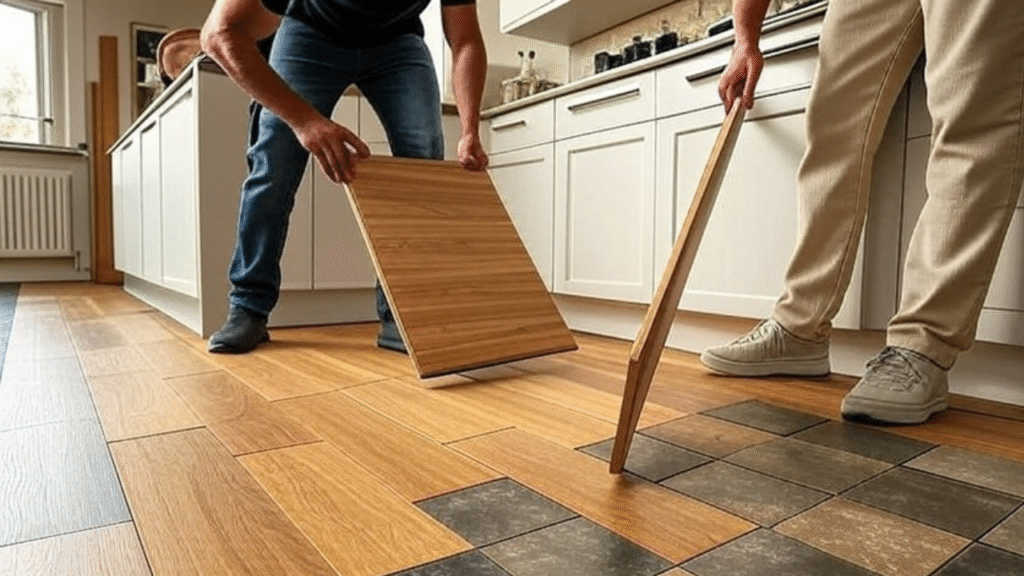
    • Vinyl flooring starts at $25/sqm and mimics timber with easy installation.
    • Lighting updates under $200 can completely transform a small kitchen’s ambiance.
    • Open shelving and fridge framing create a designer look for less than $300.

    1. DIY Cabinet Upgrades That Look Custom

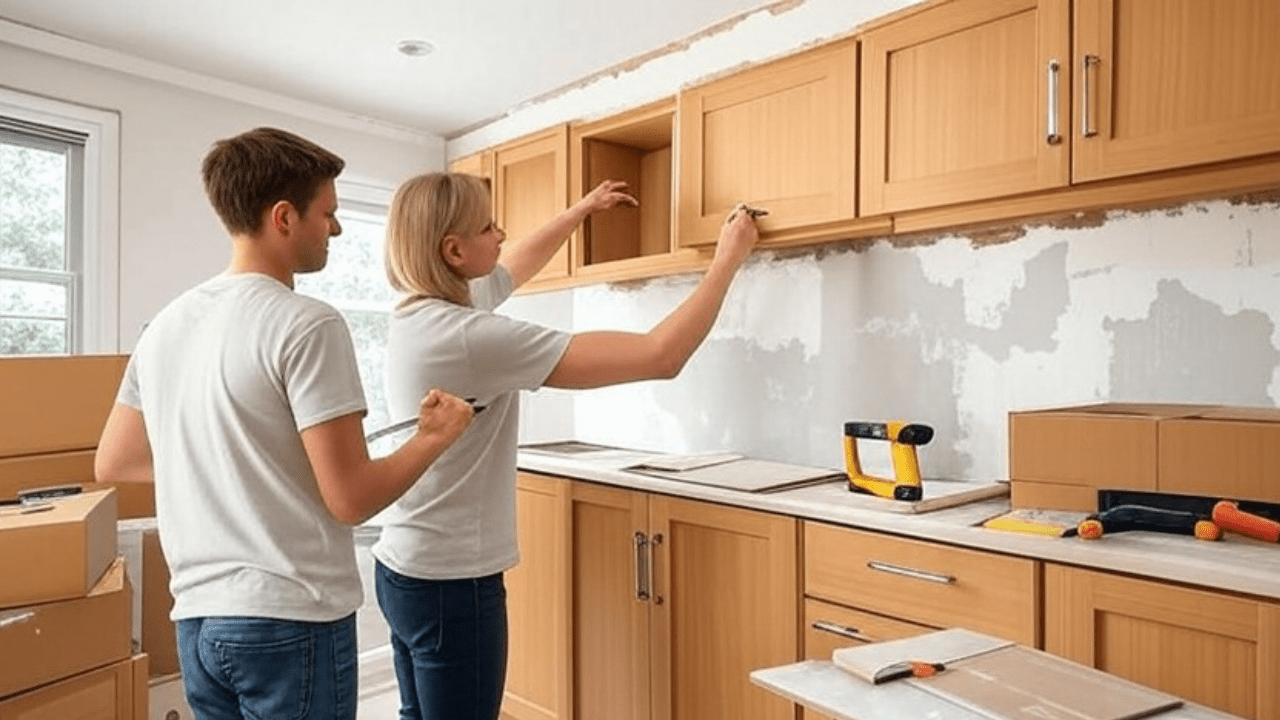
    Flat-pack cabinets from IKEA or Bunnings start around $2,000. But many homeowners are skipping full replacements and:

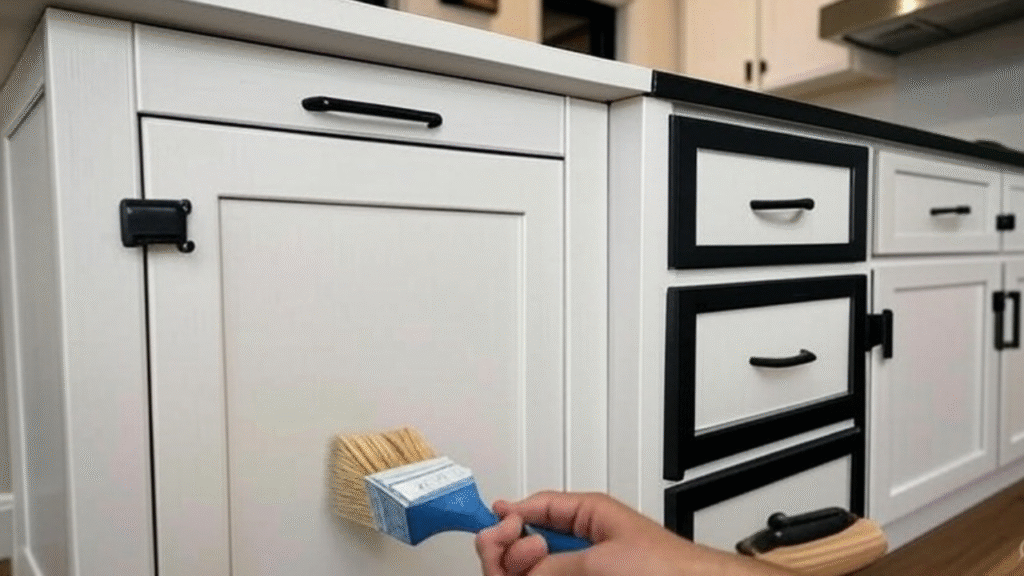
    • Painting existing cabinets using laminate-specific paint (around $200)
    • Changing hardware to matte black or brass pulls (from $5 each)
    • Adding trim for a Shaker-style look

    “We saved nearly $4,000 by repainting and updating our cabinet handles,” says Nina, a homeowner from Preston.

    Local renovation blogs recommend this method as one of the most budget-effective upgrades. According to Reddit’s r/AusRenovation community, light cabinet colours like white or sage green not only modernise a space but also reflect more light, making tight kitchens feel more open.

    Pro tip: Light colours like white, cream, or sage green make small kitchens feel larger.

    2. Peel-and-Stick Splashbacks for Style in Hours

    Forget expensive tiles. Many Melbourne DIYers are choosing peel-and-stick splashback tiles that mimic marble or subway styles.

    • Available at Bunnings or online from $80 to $150 for full splashback coverage
    • Easy to install in one afternoon

    “We went from dated beige tiles to modern hex patterns for under $100,” shared Jess on r/AusRenovation.

    Interior designers like Susan Wasley praise these materials for quick transformation value. They’re renter-friendly, removable, and require no grout or tile-cutting tools.

    Pro tip: Extend splashback tiles to ceiling height behind your stove for a luxe focal point.

    3. Vinyl Flooring That Looks Like Timber

    Tired of cracked tiles or dull lino? Peel-and-stick vinyl planks or sheets offer a warm timber look without the cost.

    • Prices start at $25 per square metre
    • Install directly over existing flooring
    • Water-resistant and great for families

    “Our vinyl plank floors cost us $450 total and everyone thinks it’s real wood,” said Mark from Brunswick.

    Both Bunnings and Kmart offer versions suited to kitchens. Kmart’s heavy-duty 8-pack vinyl tiles are water-resistant and designed for high-traffic areas. Designers suggest mid-tone wood styles to hide dirt while maintaining a cozy aesthetic.

    Pro tip: Stick with mid-tone wood shades to hide dirt and add warmth.

    4. Clever Lighting Changes That Feel High-End

    Lighting changes everything. For under $200, you can:

    • Add under-cabinet LED strips (from $40 at IKEA)
    • Replace old ceiling lights with modern pendant fixtures
    • Install dimmer switches to change the mood instantly

    “Our lighting swap made our kitchen feel bigger and more expensive,” says Sarah, a mum of three from Dandenong.

    Melbourne interior experts recommend layered lighting, ambient for overall brightness, task for work zones, and accent for highlights. Social media trends under #BunningsHack showcase how a simple lighting upgrade gives the space a designer touch.

    Pro tip: Mix ambient, task, and accent lighting to create depth.

    5. Open Shelving and Fridge Framing for Built-In Look

    Custom cabinetry costs thousands. But with some timber panels and smart layout tricks, you can fake a designer finish.

    • Add open wood shelves instead of upper cabinets
    • Frame your fridge with side panels and a top shelf

    “We created a built-in fridge nook using leftover cabinetry for just $200,” says Liam from Footscray.

    Design blogs and Pinterest boards show how shelf styling adds both storage and style. Melbourne homeowners on Reddit recommend colour-matching shelves to lower cabinetry for a clean, cohesive look.

    Pro tip: Paint shelving the same colour as your base cabinets for cohesion.

    Real Results: The $5K Kitchen That Looks Like $25K

    Maria, a retired teacher in Coburg, tackled her dated 1980s kitchen on a $5,000 budget:

    • Painted all cabinets
    • Installed vinyl benchtop film that mimics marble
    • Bought a used oven on Facebook Marketplace
    • Added a stick-on splashback and dimmable lighting

    “I wanted something fresh and functional. Now it feels like a brand-new kitchen and no debt.”

    Her story echoes the experience of many Melbourne homeowners seeking functionality over flash. Experts agree that choosing affordable but durable finishes and sticking to original plumbing lines are key to keeping costs low.

    Bonus Hacks from Skilled Tradies Melbourne

    As renovation experts, we’ve helped hundreds of Melbourne homeowners transform kitchens affordably. Here are our favourite insider tips:

    • Avoid moving plumbing unless necessary; it adds $1,000 or more
    • Always seal laminate edges to prevent water damage
    • Pre-assembled cabinets save time and reduce tradie fees
    • Flat white paint hides wall imperfections better than gloss

    These trade tricks reduce both your budget and stress.

    You Can Do This

    Don’t let big quotes scare you off. Whether you’re refreshing your kitchen over a weekend or planning a slow DIY journey, these hacks show what’s possible.

    Need help from a pro? At Skilled Tradies Melbourne, we know how to turn clever ideas into real-world results.

    Ready to love your kitchen again?

    Let’s make it happen on budget, on time, and with style.

  • Tile Regrouting Melbourne Cost: What You Really Need to Know Before You Book

    Tile Regrouting Melbourne Cost: What You Really Need to Know Before You Book

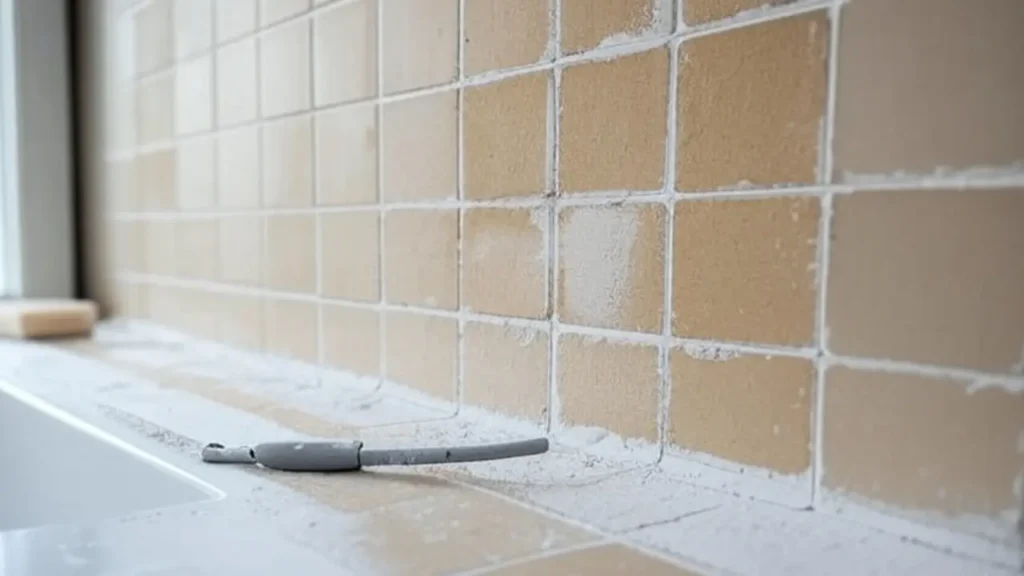
    Many Melbourne homeowners think they need to rip up tiles to get a cleaner, newer look. But here is the truth: in most cases, regrouting is all you need. It is faster, cheaper, and just as effective if your tiles are still in good shape.

    Regrouting a standard bathroom in Melbourne typically costs between $250 and $500, while retiling the same area could set you back $325 to $900 or more. That is a savings of $75 to $400, depending on tile material and job size.

    Quick Summary of What You Need to Know

    • Average cost is between 250 and 500 dollars for a standard bathroom
    • Regrouting is more affordable than retiling with savings up to 400 dollars
    • Best suited for bathrooms where tiles are in good condition but grout is damaged or mouldy
    • Most jobs take between 1 and 8 hours depending on size
    • Use epoxy grout for wet areas, cement-based grout for dry zones, and urethane for outdoor spaces
    • Regrouting improves hygiene, adds home value, and refreshes the look of tiled areas
    • DIY can work for small areas, but professionals are better for full bathrooms

    Real Costs of Tile Regrouting in Melbourne (2026)

    Here is a closer look at what you can expect to pay this year:

    Average Costs

    • Shower: $250 to $1000
    • Bathroom: $250 to $500 (standard size)
    • Kitchen Backsplash: $150 to $300

    These prices include both labour and materials. The final cost depends on the tile type, area size, and how bad the old grout is.

    By Tile Type

    • Ceramic Tiles: Easiest to work with, lowest cost
    • Porcelain Tiles: Tougher to cut, slightly higher cost
    • Natural Stone: Most delicate, may cost more due to careful handling

    What Experts Say About Regrouting vs. Retiling

    Regrouting is not just about saving money. It is also a smart long-term choice.

    Here is a quick comparison for a 5 square meter bathroom:

    Tile TypeRetiling CostRegrouting CostSavings
    Ceramic$325 to $400$250 to $500Up to $150
    Porcelain$475 to $750$250 to $500Up to $400
    Natural Stone$675 to $900$250 to $500Up to $400

    Properly maintained grout can last 20 to 50 years, especially if sealed and cleaned regularly.

    How to Know You Need Regrouting

    Grout wears out over time. The problem is, many homeowners do not notice until it is too late. Here are the main signs your grout needs replacing:

    5 Clear Signs It Is Time to Regrout:

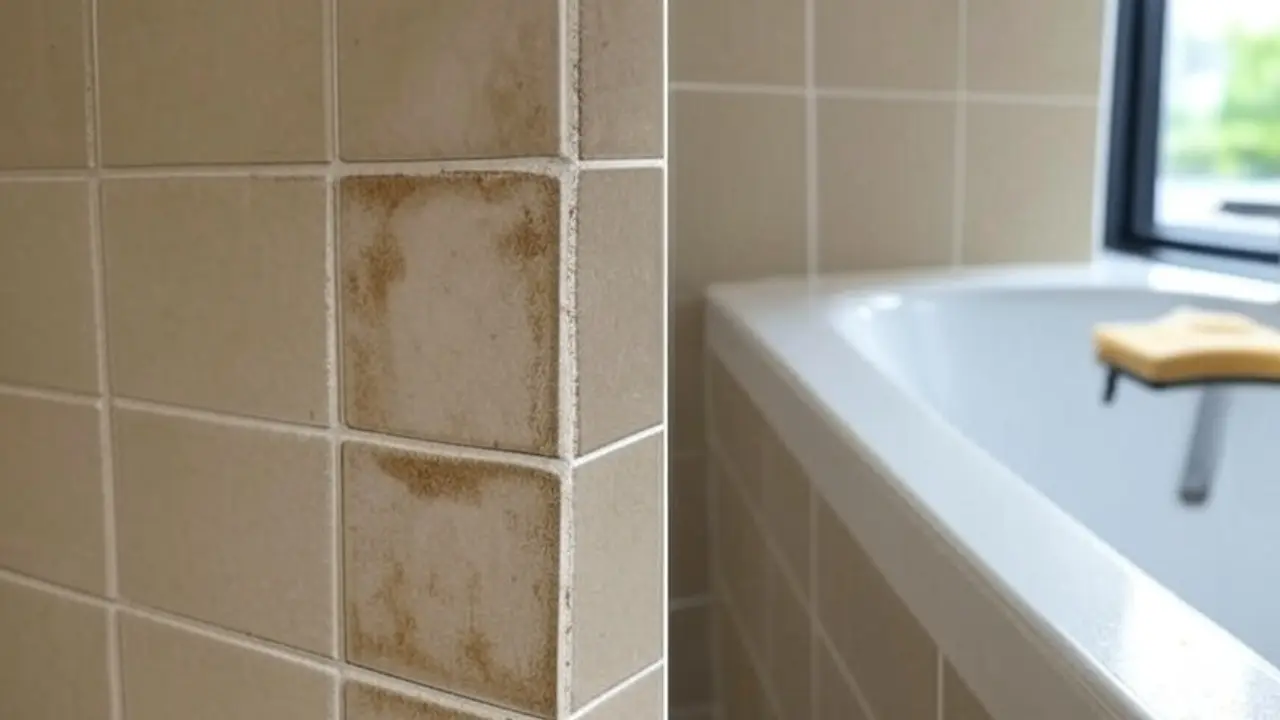
    • Discolouration: Grout looks dirty, yellow, or grey even after cleaning
    • Cracking: Small cracks or missing chunks between tiles
    • Mould growth: Black or green spots that keep returning
    • Loose tiles: Tiles shift when you press them
    • Water stains nearby: Signs of leaks on walls or floors near tiled areas

    Should You DIY or Hire a Pro

    You might save money by doing the regrouting yourself, but it is not always worth the stress or risk. Here is how to decide:

    DIY Regrouting

    • Works for small, simple areas
    • Requires tools like a grout saw, sponge, float, sealer, and patience
    • If done right, it can look good, but mistakes may cost more to fix

    Hire a Professional If:

    • The area is large (entire bathroom or shower)
    • Tiles are valuable or fragile (like natural stone)
    • There is visible mould or water damage
    • You want a guaranteed finish with no mess

    How Long Does It Take

    Most regrouting jobs are quick and can be done in a day. However, the exact time depends on the size of the area and the type of grout used.

    General Time Estimates

    • Small areas like splashbacks: 1 to 2 hours
    • Showers: 2 to 4 hours
    • Full bathrooms: 4 to 8 hours

    Curing Time

    • Cement-based grout: 24 to 48 hours before use
    • Epoxy grout: Ready in about 24 hours

    Choosing the Right Grout for Melbourne Homes

    Melbourne’s weather can be harsh on grout. Here are the main types to consider:

    The 3 Main Types of Grout:

    • Cement-Based: Needs sealing, affordable, good for dry areas
    • Epoxy: Waterproof and long-lasting, best for wet areas
    • Urethane: Flexible and durable, ideal for outdoor tiles

    Tip: Always seal cement-based grout. Use epoxy or urethane for areas exposed to water or weather.

    Hidden Dangers of Mouldy Grout

    Mouldy grout may lead to more than just an ugly bathroom. It can affect your health and your home’s structure.

    Why Mould Is a Problem:

    • Health risks: Can cause breathing problems and allergic reactions
    • Water damage: Moisture gets behind tiles and damages walls or floors
    • Odours: Musty smells that cannot be covered by air fresheners

    How to Find a Reliable Regrouting Pro in Melbourne

    Do not just go with the cheapest quote. Quality matters.

    • Look for licensed and insured professionals with good reviews
    • Ask for a clear quote and a breakdown of labour and material costs
    • Make sure they offer a warranty on their work
    • Check their past work or photos of previous jobs

    Take your time reviewing quotes and checking credentials. Prioritise quality, experience, and transparency to get the best results.

    Will Regrouting Add Value to Your Home

    Yes. Regrouting improves appearance, hygiene, and appeal for buyers or renters. It is one of the simplest ways to increase home value without a big renovation.

    The Regrouting Process: What to Expect

    1. Inspection of tiles and grout
    2. Old grout removal with tools
    3. Cleaning of tile joints
    4. Application of new grout
    5. Sealing to protect the new grout
    6. Final cleaning for a polished look

    Most jobs take 4 to 8 hours, and the area is ready for use within 24 to 48 hours.

    Final Thoughts

    Regrouting your tiles is one of the most affordable ways to refresh your home in Melbourne.

    • Prices range from $250 to $500 for a standard bathroom
    • You can save up to $400 compared to retiling
    • It boosts hygiene, value, and the look of your space

    Act early to prevent damage. Whether DIY or professional, regrouting is a smart home improvement move.

    Want Help from the Experts

    SkilledTradies Melbourne offers affordable, high-quality tile regrouting services.

    Contact us today for a free quote or inspection.

    Tile Regrouting FAQs (Melbourne 2026)

    How much does tile regrouting cost in Melbourne in 2026?

    Tile regrouting typically costs between $300 and $700 for a standard bathroom, depending on size, grout condition, and tile type.

    Is regrouting better than retiling?

    Regrouting is better when tiles are still in good condition. It is faster, cheaper, and can restore the look of your bathroom without major renovation work.

    How long does tile regrouting last?

    Properly maintained grout can last 20 to 50 years. Using high-quality grout and sealing it regularly improves durability and performance.